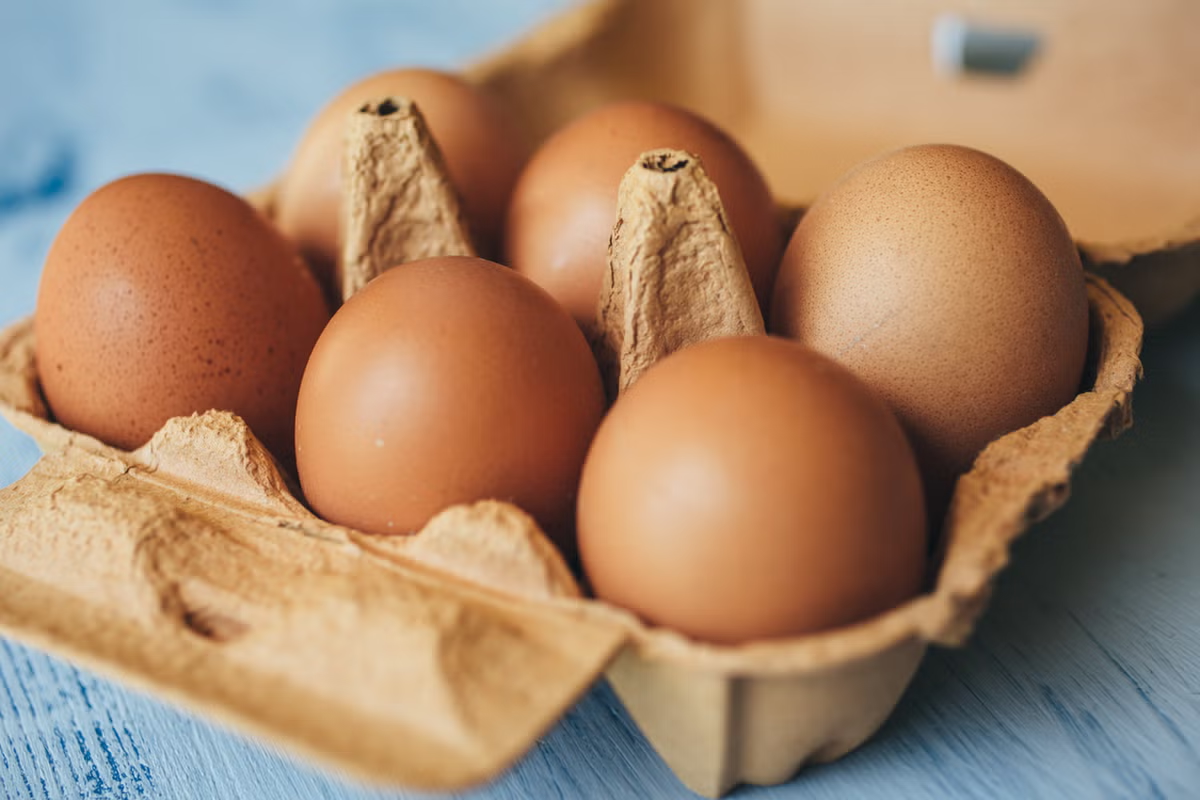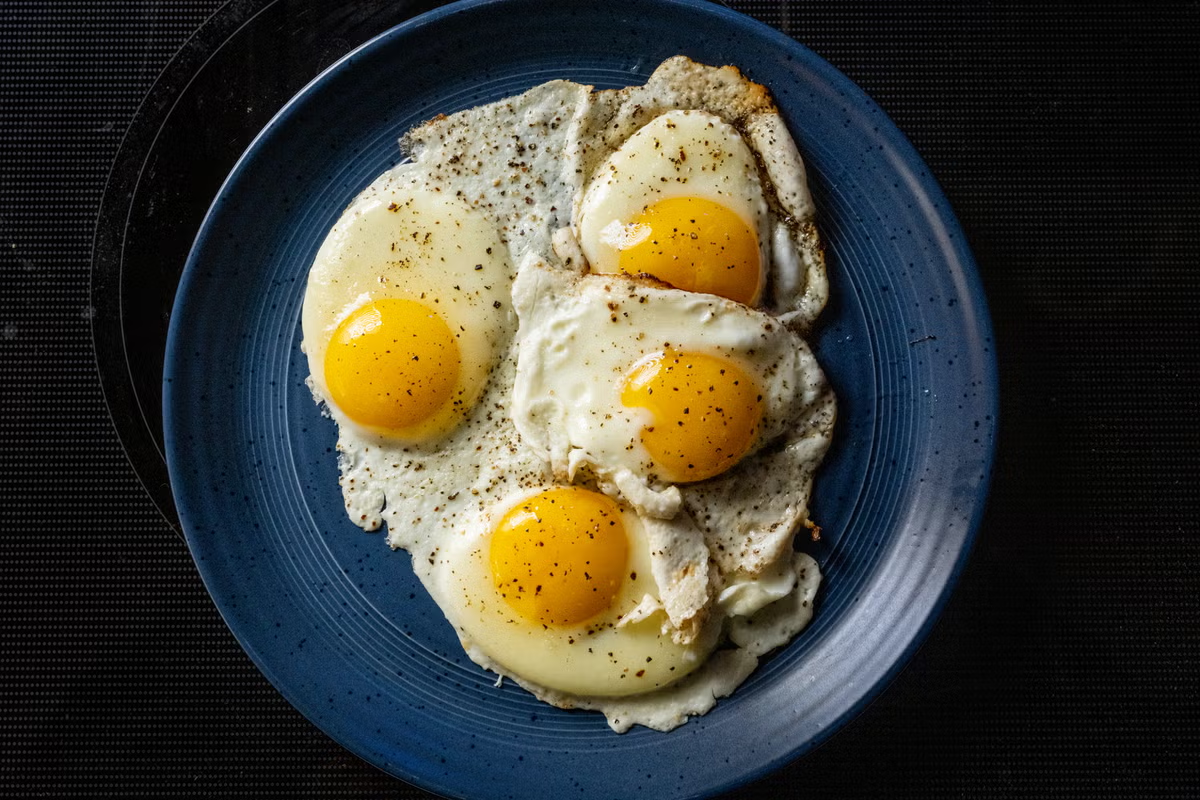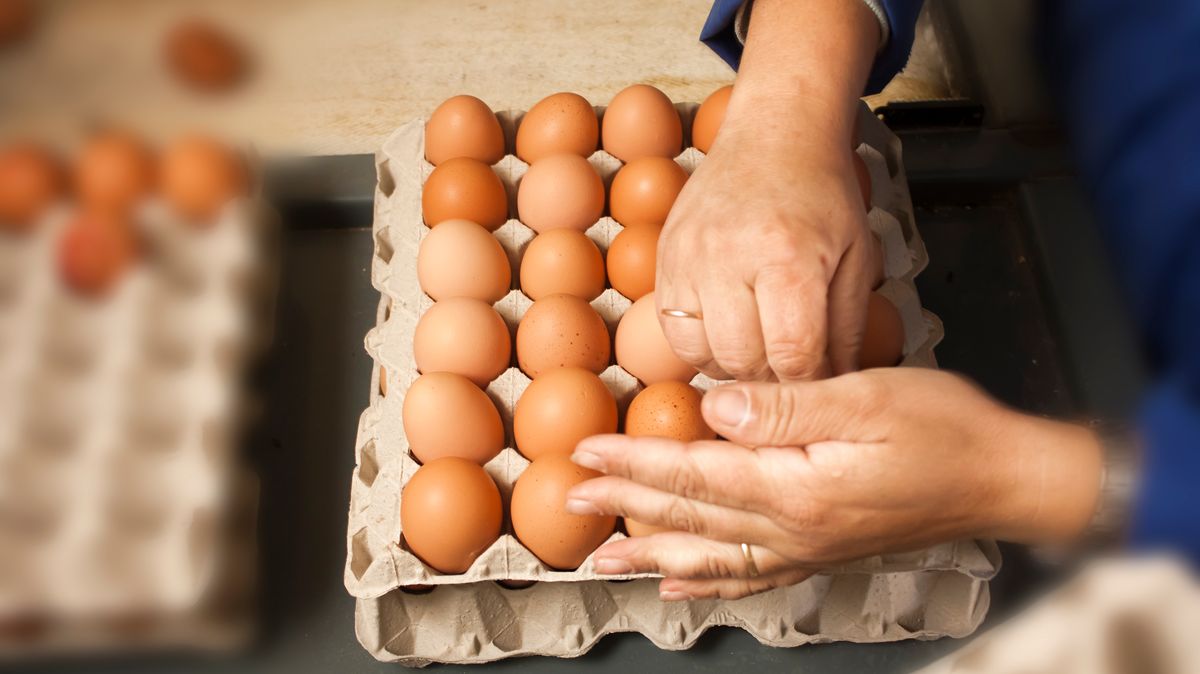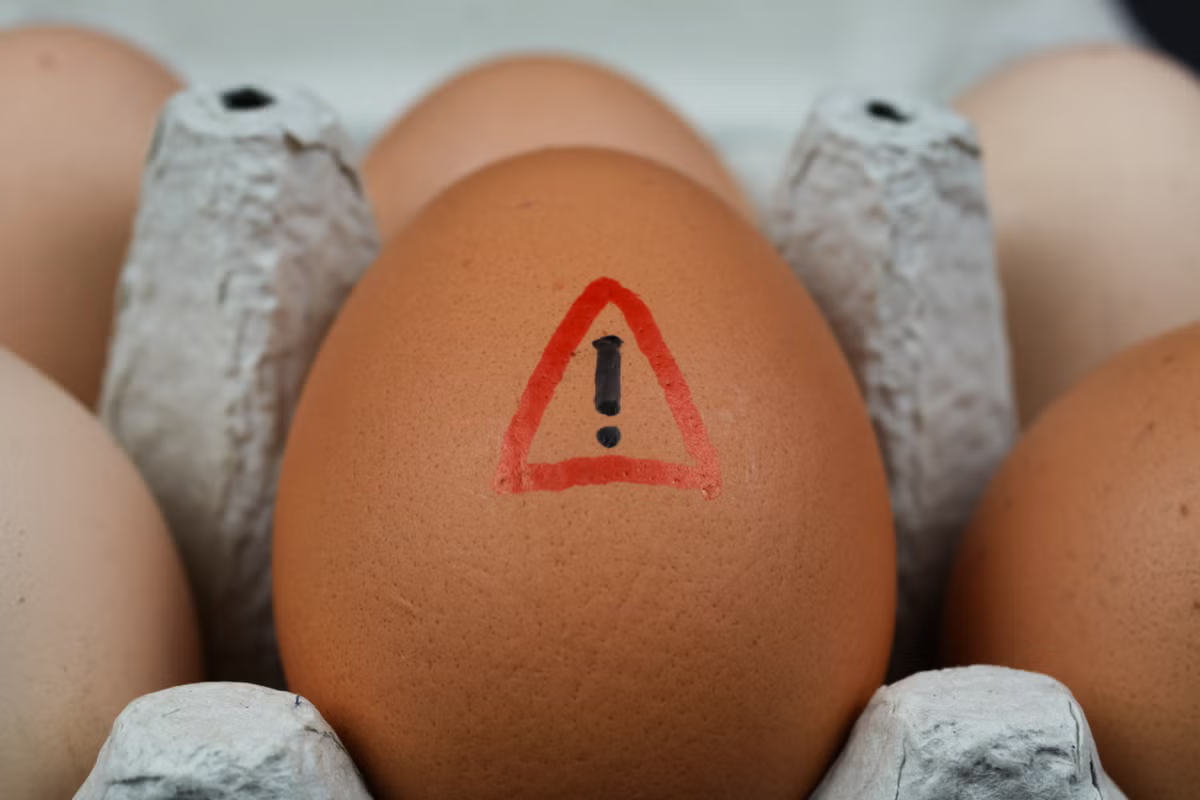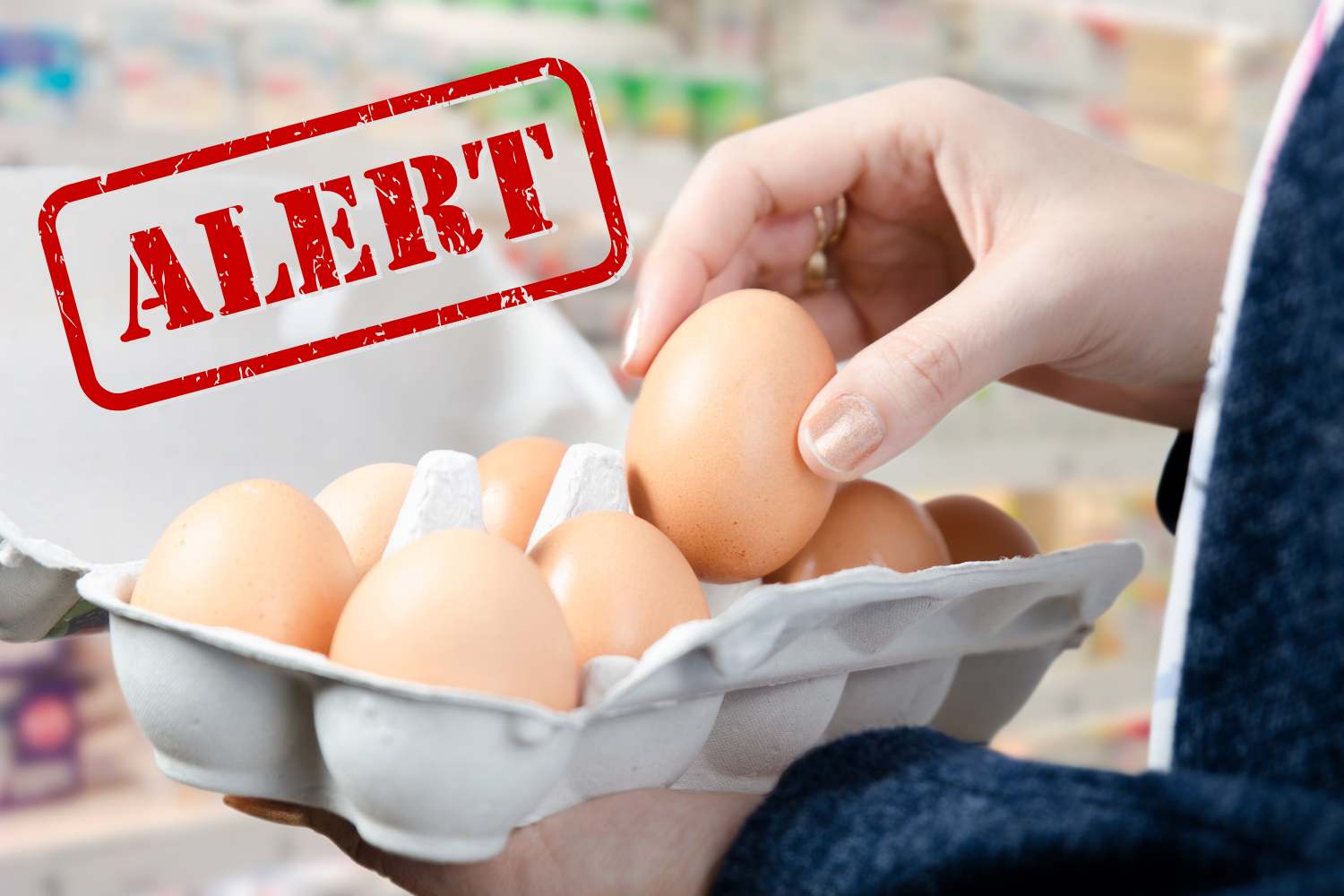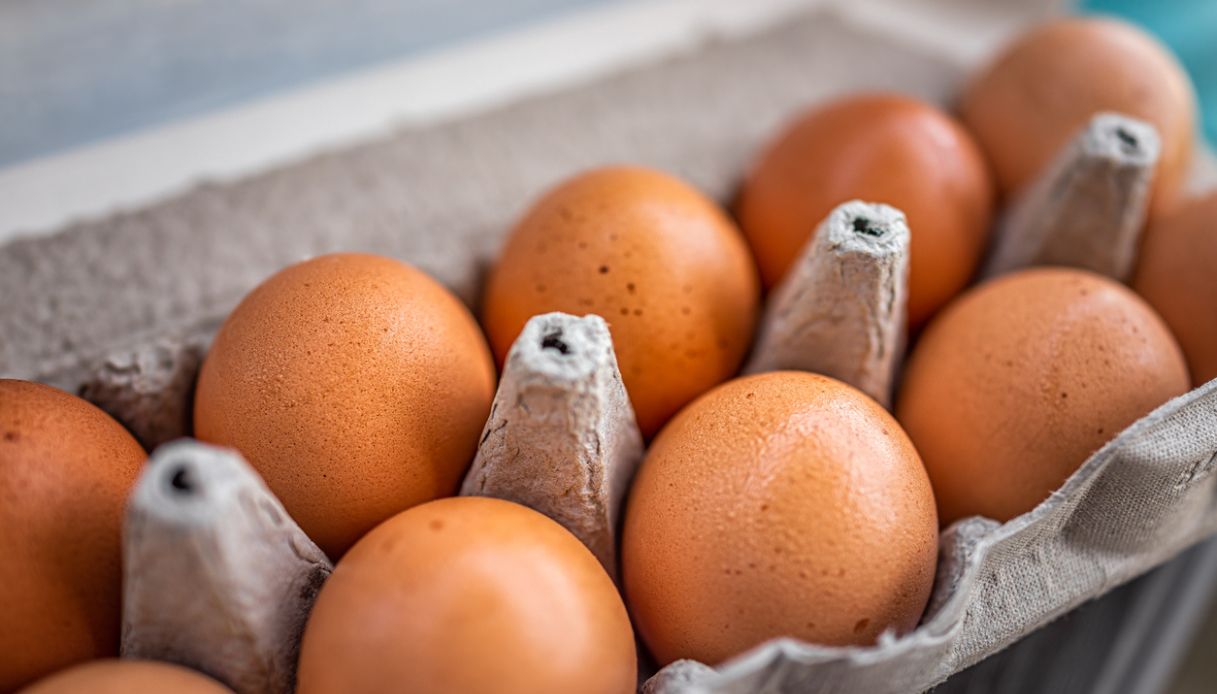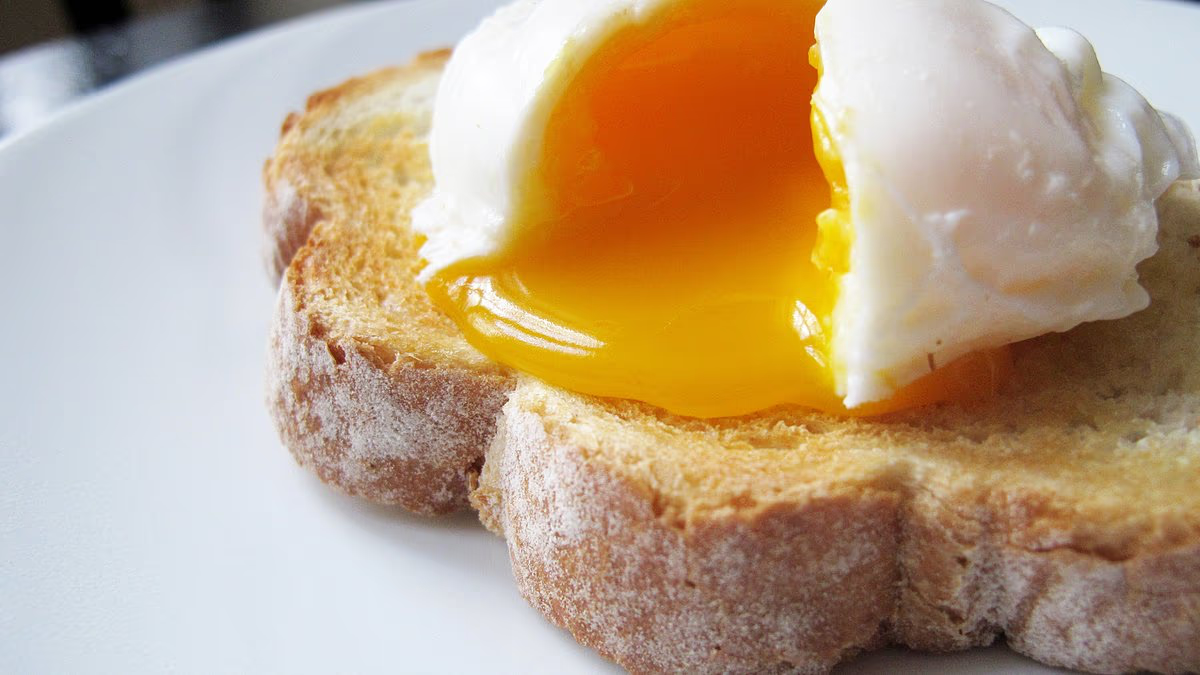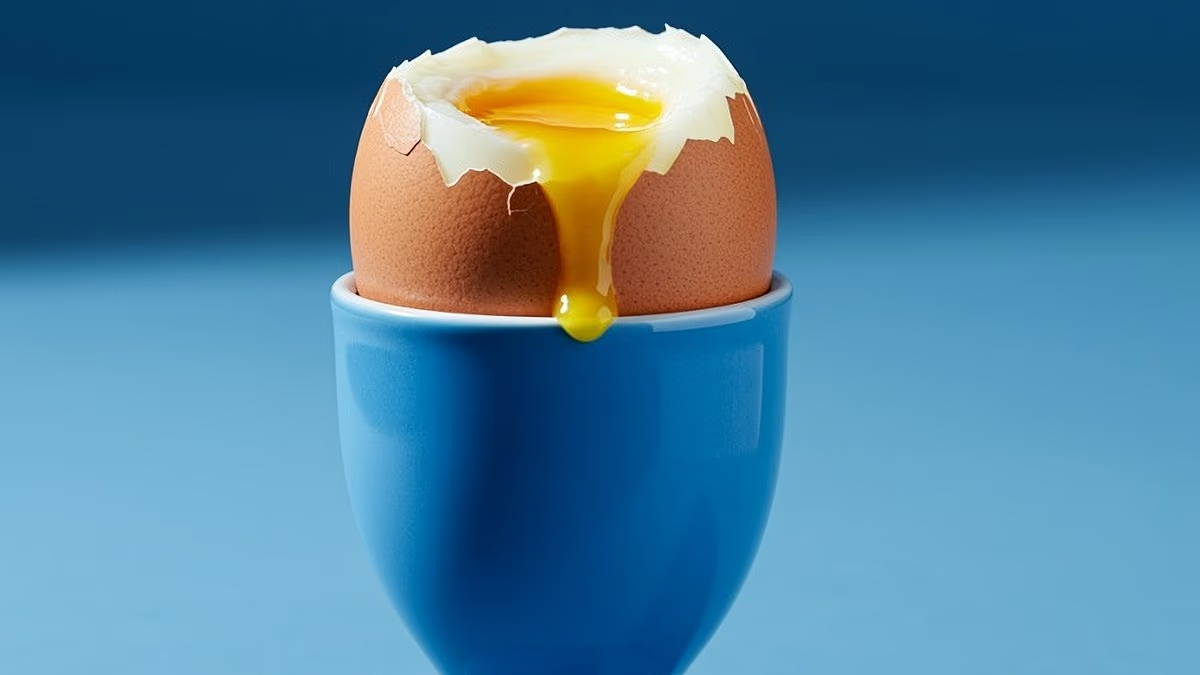
Boiled with dippy soldiers, slathered with mayonnaise in sandwiches or whisked into fluffy omelettes, eggs are one of Britain's great food obsessions.But this week, they're in the headlines for a less appetising reason.Health officials have declared a national salmonella outbreak after one person died and more than 200 people became ill.Eggs are the prime suspect for spreading the disease, caused by bacteria in the guts of animals including chickens.Imported eggs, or dishes containing them, are believed to be the culprit, with evidence suggesting people caught the bug while eating out not at home.For those who remember the salmonella scandal of the 1980s, when egg sales dropped by 60 per cent, the news may sound alarming. Today, we get through almost 40 million eggs every day – a staggering 14.5 billion a year – but, in light of the outbreak, do we need to stop?We asked the experts to crack open what we need to know about Salmonella and some of the other myths surrounding these stalwarts of our diet... This week health officials have declared a national salmonella outbreak after one person died and more than 200 people became ill (stock image) Today, we get through almost 40 million eggs every day – a staggering 14.5 billion a year (stock image)Are they safe to eat in the Salmonella outbreak?The outbreak has not been linked to British eggs, so according to the Food Standards Agency, they should be safe.'There's no reason to stop eating British eggs,' says Dr Carrie Ruxton, a dietitian and egg expert.'The current outbreak is a problem of cheap imports from countries which don't have the same safety standards we have in Britain.'Imported eggs are used in many cafes and restaurants, however, so she advises caution when eating out: 'If possible, ask where their eggs come from.'How are British ones different?Nutritionally, there is little difference between eggs produced in Britain and elsewhere. But the UK is widely regarded as having some of the highest egg safety standards in the world.'Always look for eggs carrying the British Lion mark,' says Dr Ruxton. The scheme requires hens to be vaccinated against salmonella and includes testing and traceability of hens via a passport system to keep the risk of contamination very low. 'It has been a major success story,' she says.Can they still be eaten runny?According to the Food Standards Agency, there's no need to give up runny eggs – provided they carry the British Lion mark.Hygiene is also crucial: wash your hands after handling raw eggs and avoid letting raw egg touch cooked or ready-to-eat food. Clean worktops and utensils after preparing them, too.The British Egg Information Service advises storing eggs in the fridge as eggs are best kept at a consistent temperature below 20 degrees, and domestic kitchens can fluctuate considerably, particularly during warmer weather.Are brown ones more healthy?Brown eggs account for around nine in ten eggs sold in the UK.However, according to Nick Allen, chief executive of the British Egg Industry Council, there is no difference in terms of health value between white and brown.'The shell colour is determined by the breed of hen,' he says. Generally, brown hens lay brown eggs and white hens lay white. Bizarrely, you can predict the colour of their eggs by examining a bird's earlobe – the small flaps of skin on the side of a chicken's head, just beneath their eyes. White ear lobes mean white eggs and red or dark lobes mean brown.How can you tell if an egg's still fresh?As eggs age, the white becomes thinner and runnier.The best test for an egg's freshness is to plop one (carefully) into a lukewarm bowl of water. As an egg ages, moisture and carbon dioxide escape through tiny pores in the shell, making it more buoyant. If it's fresh, it will sink and lie flat. If it's older but still edible, it will stand upright. If it's very old, it will float. If it's gone off, you'll know. A bad egg will have an unpleasant smell.Is it worth paying for premium ones?Brands such as Burford Browns, which boast a deep orange-hued yolk, have become a staple of middle-class shopping baskets in recent years. But at £4 for a box of six, are they worth shelling out for?Dr Ruxton says that there's no evidence premium eggs are healthier. 'Most brands of eggs offer a similar nutritional profile,' she adds.Burford Browns' orange yolk is due to marigold and paprika added to their feed, rather than anything to do with the breed.Are free range better for you?The days when most British eggs came from caged hens are long gone. Battery cages were banned in this country in 2012 and replaced by 'enriched colonies', in which hens have more space, live in larger groups and have access to nesting areas, perches, scratching areas and litter.Eggs from these colonies make up around 16 per cent of sales, while barn eggs – also kept indoors, but not confined to cages – account for six per cent. Free-range eggs today represent 78 per cent of sales, up from 32 per cent in 2004 – as our attitudes towards animal welfare have changed.While there are clear differences from a welfare perspective, when it comes to their nutritional content 'they're all pretty much the same,' says Mr Allen.Organic eggs represent two per cent of sales, included in the free-range total. They come from free-range hens fed an organic diet and reared to higher welfare standards, including more outdoor space. They are usually still vaccinated, but routine use of antibiotics is restricted.What's the healthiest way to eat them?Perhaps unsurprisingly, the answer isn't fried as part of a classic cooked breakfast.'Poached or boiled are the healthiest ways to cook eggs, followed by lightly scrambled or in an omelette,' says Laura Southern, a nutritionist and founder of London Food Therapy.'Frying not only involves the addition of more fat, but if the eggs are cooked until they're crispy, it can oxidise some of their cholesterol, which could be more harmful to heart health than ordinary cholesterol.'She suggests pairing eggs with good fats, such as avocado, seeds or olive oil, wholegrain toast and salad leaves to maximise health benefits.Can they help you lose weight?Studies suggest people who eat eggs for breakfast consume fewer calories over the rest of the day.Laura says: 'Protein takes longer to digest and influences hormones involved in appetite control, helping people stay fuller for longer and avoid blood sugar crashes, which can lead to snacking.' Eggs are also relatively low calorie, which means 'they are a great food to support weight-loss,' she says.Should people over 50 eat more?Eggs can be particularly beneficial as we age. According to recent research, eating them on a regular basis could be a valuable weapon in helping ward off dementia.'Eggs are nutritional powerhouses, containing high quality protein, healthy fats, B vitamins, vitamin D, iodine, selenium and choline,' says Dr Ruxton.Their cocktail of vitamins and minerals support everything from healthy bones and muscles to the brain and immune system.Their brain-boosting benefits stem largely from the nutrient choline, which produces a neurotransmitter called acetylcholine. It carries messages from the brain to the body and is involved in memory and mood.'Eggs are one of the richest and most convenient sources of choline in our diet,' says Dr Ruxton. A single egg contains 150mg, around a third of our recommended intake. 'And they contain a range of B vitamins which are crucial for brain health,' she adds.If you're not already an egg-eater, get cracking.
Why you can still go to work on an egg (As long as it's British)
Health officials have declared a national Salmonella outbreak after one person died and more than 200 people became ill.
1,244 words~6 min read