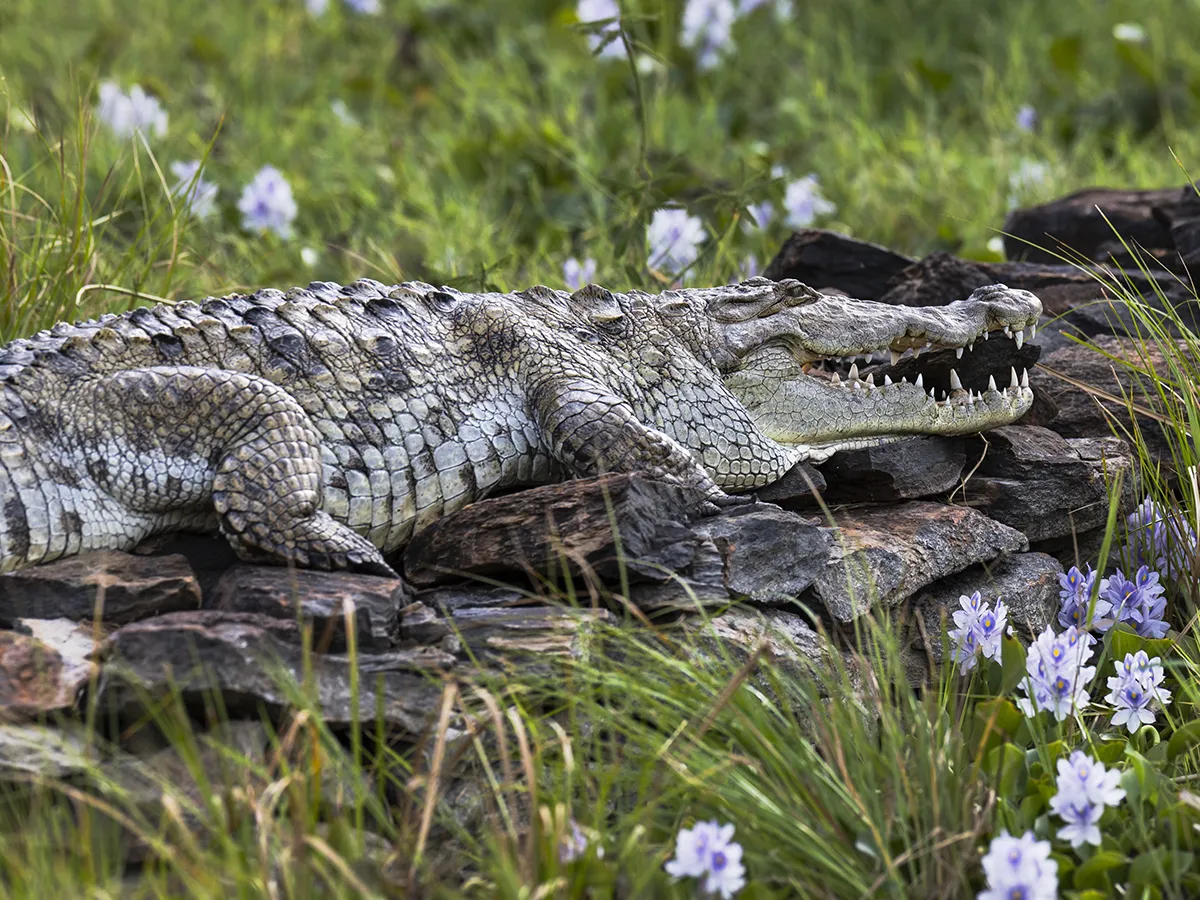
Skip to Content Subscribe My Account Manage My Subscriptions FAQ Newsletters Canada Canadian True Crime Canadian Politics Health World Israel & Middle East Financial Post NP Comment Longreads Puzzmo Diversions Comics NP News Quiz New York Times Crossword Horoscopes Life Eating & Drinking Style Sponsored Play for Ontario Travel Travel Canada Travel USA Travel International Cruises Travel Essentials Culture Books Celebrity Movies Music Theatre Television Business Essentials Advice Lives Told Tails Told Shopping Buy Canadian Home Living Outdoor Living Kitchen & Dining Tech Style & Beauty Personal Care Entertainment & Hobbies Gift Guide Travel Guide Amazon Prime Day Deals Savings National Post Store More Sports Hockey Baseball Basketball Football Soccer Golf Tennis Driving Vehicle Research Reviews News Gear Guide Obituaries Place an Obituary Place an In Memoriam Classifieds Place an Ad Celebrations Working Business Ads Archives Healthing Epaper Manage Print Subscription Profile Settings My Subscriptions My Offers Newsletters Customer Service FAQ Newsletters Canada World Financial Post NP Comment Longreads Puzzmo Diversions Life Shopping Epaper Manage Print Subscription HomeNewsWorldRising lakes push crocodiles and hippos closer to homes in KenyaTens of thousands of people have been displaced to higher ground, according to official data, yet many victims say the lakes keep following themAuthor of the article:A crocodile perch on a stone hedge around a domestic compound. Photo by Tony Karumba / AFP via Getty ImagesA crocodile basks in the sunshine on the roof of a submerged conference hall at a holiday resort in central Kenya, in a visible sign of how rising lake waters are endangering thousands of families and local businesses.Enjoy the latest local, national and international news.Exclusive articles by Conrad Black, Barbara Kay and others. Plus, special edition NP Platformed and First Reading newsletters and virtual events.Unlimited online access to National Post.National Post ePaper, an electronic replica of the print edition to view on any device, share and comment on.Daily puzzles including the New York Times Crossword.Support local journalism.Enjoy the latest local, national and international news.Exclusive articles by Conrad Black, Barbara Kay and others. Plus, special edition NP Platformed and First Reading newsletters and virtual events.Unlimited online access to National Post.National Post ePaper, an electronic replica of the print edition to view on any device, share and comment on.Daily puzzles including the New York Times Crossword.Support local journalism.Create an account or sign in to continue with your reading experience.Access articles from across Canada with one account.Share your thoughts and join the conversation in the comments.Enjoy additional articles per month.Get email updates from your favourite authors.Create an account or sign in to continue with your reading experience.Access articles from across Canada with one accountShare your thoughts and join the conversation in the commentsEnjoy additional articles per monthGet email updates from your favourite authorsSign In or Create an AccountorLake Baringo and other lakes in Kenya’s Rift Valley have risen to levels not seen in at least half a century, with scientists attributing the surge to extreme rainfall linked to climate change.Tens of thousands of people have been displaced to higher ground, according to official data, yet many victims say the lakes keep following them. Hundreds of families were forced to leave their homes as numerous houses and buildings were inundated. Several tourist facilities, schools and places of worship were also flooded as the lake waters reached nearby settlements. Photo by Lucas Mukasa/Anadolu via Getty ImagesGet a dash of perspective along with the trending news of the day in a very readable format.By signing up you consent to receive the above newsletter from Postmedia Network Inc.A welcome email is on its way. If you don't see it, please check your junk folder.The next issue of NP Posted will soon be in your inbox.We encountered an issue signing you up. Please try againIn 2011, when the lake recorded its first significant surge, Mary Milka Tiren, 40, lost her husband after a hippo attacked him on his way home from his job at a popular tourist resort, which is now completely submerged.A decade later, her nine-year-old son spent three months in hospital after a crocodile attack, leaving a scar on his right arm.“It wanted to rip off his whole arm from the shoulder … but he was rescued by his peers after a long struggle,” Tiren said.“We’ve seen a rise in crocodile attacks not because there are more crocodiles, but because the lake is now close to the homesteads,” Kenya Wildlife Service (KWS) senior warden Jackson Komen told AFP.“We also have hippo attacks because when the lake expanded, the (riverbank) riparian ecosystem — where we used to have pasture — was lost.” The teenaged son of Mary Milka Tiren, 40, (not pictured) shows scars on his body from a crocodile attack on Lake Bogoria, a decade after he lost his father to another attack by a Hippopotamus. Photo by Tony Karumba/AFP /GettyAn AFP analysis of Copernicus Sentinel and NASA Landsat satellite imagery shows Lake Baringo’s surface area has expanded by 70 percent since 2010, from about 138 square kilometres (53 square miles) to 234 square kilometres.Neighbouring Lake Bogoria, which is notable for its high sodium levels, has also grown by 21 percent over the same period, increasing from 34 to 41 square kilometres.As the waters of the two lakes — one freshwater and the other alkaline — rise, the distance between them has narrowed.“If the two lakes mix, then the fish, crocodiles and hippos may not survive… we may have an ecological disaster that we don’t know how to deal with,” said Komen. Crocodiles perch on a stone hedge around a domestic compound now almost completely inundated in the rising waters of the Lake Bogoria. Photo by Tony Karumba / AFP via Getty ImagesLake Baringo provides vital drinking and irrigation waters, and supports a thriving fishing industry.“It may trigger a complete change… I don’t know whether human beings will still be able to live here,” Komen said.The distance between the two lakes is now estimated to be about 10 kilometres (six miles).Scientist Mathew Herrnegger, of Austria’s University of Natural Resources and Life Sciences, said “the overflow is already happening”.“Satellite altimetry shows that the lake level of Bogoria is high enough that it overflows towards Baringo,” he said.But how much water will reach Baringo and what impact it will have is unclear, he added.The expansion of the two lakes has also dealt a major blow to tourism.“We lost 80 percent of our community wildlife conservancies,” Komen said, with giraffes, ostriches, warthogs and impalas all moved to safety.AFP saw at least four holiday resorts engulfed by Lake Baringo’s waters, another stranded and abandoned on an island.At Lake Bogoria, known for its flamingoes and hot springs, rising waters have driven away a significant number of the birds and submerged some of the springs.It wanted to rip off his whole arm from the shoulderMichael Baimet, the director at the local disaster department, said tourism earnings had dropped from roughly $1 million annually to $200,000.Google reviews show visitors complaining about dwindling flamingoes at Lake Bogoria and impassable roads caused by rising water levels.Schools have not been spared the devastation.Official records show roughly 12 institutions around Lakes Baringo and Bogoria have been affected, some completely submerged.About 240 students and staff at Kokwa Island Primary and Junior School in Marigat must now cross crocodile-infested Lake Baringo, with the lone ferry’s multiple trips cutting into learning time.Most exposed is the girls’ dormitory, inches from the lapping waves.“It is too risky for the girls who board as hippos and crocodiles come into the school at night,” said one school official.“We’ve been forced to employ two security officers to keep the students safe.” A view of flooded residential areas after Lake Baringo overflowed due to rising water levels in Kenya’s Rift Valley region on August 10, 2026. Photo by Lucas Mukasa/Anadolu via Getty ImagesThe school fears El Nino rains expected in October could engulf the dormitory.Families on the same island know they have to relocate as the waters advance — but finances remain a major issue.Faith Mpayei, 40, has moved the fence around her once two-acre (0.8-hectare) farm twice since 2016, when she said the lake began advancing rapidly.Her fence now lies submerged, while the water stands nearly a third of the way up her house.“It has reduced me to zero,” said the mother-of-five.“We are helpless… I am here just for the time being, I have to relocate… there’s nothing left to do here.”Our website is the place for the latest breaking news, exclusive scoops, longreads and provocative commentary. Please bookmark nationalpost.com and sign up for our daily newsletter, Posted, here. Join the Conversation This website uses cookies to personalize your content (including ads), and allows us to analyze our traffic. Read more about cookies here. By continuing to use our site, you agree to our Terms of Use and Privacy Policy.
Rising lakes push crocodiles and hippos closer to homes in Kenya
Tens of thousands of people have been displaced to higher ground, according to official data, yet many victims say the lakes keep following them
1,457 words~7 min read