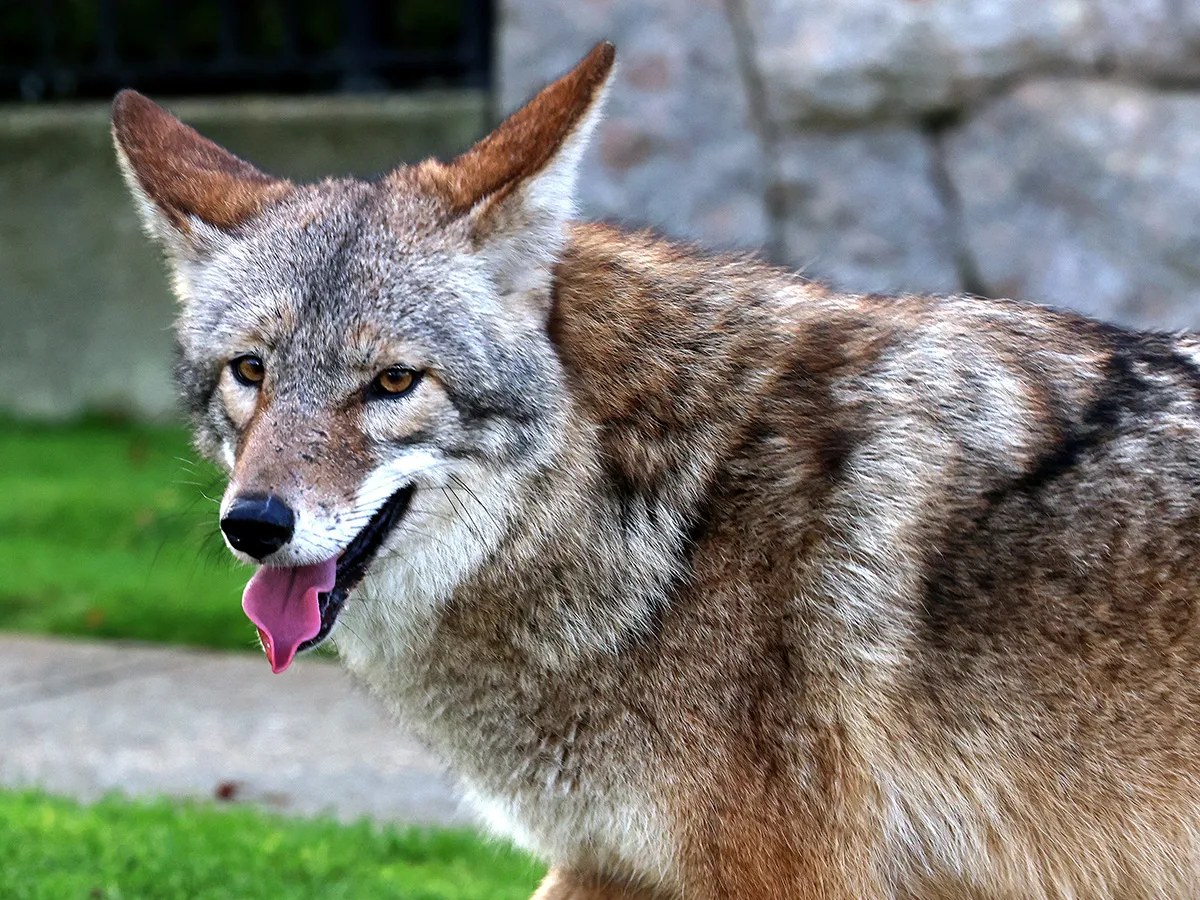
Skip to Content Subscribe Our Offers My Account Manage My Subscriptions FAQ Newsletters Canada Canadian True Crime Canadian Politics Health World Israel & Middle East Financial Post NP Comment Longreads Puzzmo Diversions Comics NP News Quiz New York Times Crossword Horoscopes Life Eating & Drinking Style Sponsored Play for Ontario Travel Travel Canada Travel USA Travel International Cruises Travel Essentials Culture Books Celebrity Movies Music Theatre Television Business Essentials Advice Lives Told Tails Told Shopping Buy Canadian Home Living Outdoor Living Tech Style & Beauty Kitchen & Dining Personal Care Entertainment & Hobbies Gift Guide Travel Guide Deals Savings National Post Store More Sports Hockey Baseball Basketball Football Soccer Golf Tennis Driving Vehicle Research Reviews News Gear Guide Obituaries Place an Obituary Place an In Memoriam Classifieds Place an Ad Celebrations Working Business Ads Archives Healthing Epaper Manage Print Subscription Profile Settings My Subscriptions Saved Articles My Offers Newsletters Customer Service FAQ Newsletters Canada World Financial Post NP Comment Longreads Puzzmo Diversions Life Shopping Epaper Manage Print Subscription HomeNP CommentScott Stinson: Despite attacks, this Ontario city expects its residents to coexist with coyotesTwo attacks inside a week in Markham suggest that the hands-off approach has consequencesLast updated 11 minutes ago You can save this article by registering for free here. Or sign-in if you have an account.Coyotes have moved into residential areas in greater numbers in Markham — and Toronto, Vancouver (where this one was spotted), and many other Canadian cities. Photo by Nick Procaylo/Postmedia/FileIt is springtime in the greater Toronto area, which means it’s coyote hunting season.Enjoy the latest local, national and international news.Exclusive articles by Conrad Black, Barbara Kay and others. Plus, special edition NP Platformed and First Reading newsletters and virtual events.Unlimited online access to National Post.National Post ePaper, an electronic replica of the print edition to view on any device, share and comment on.Daily puzzles including the New York Times Crossword.Support local journalism.Enjoy the latest local, national and international news.Exclusive articles by Conrad Black, Barbara Kay and others. Plus, special edition NP Platformed and First Reading newsletters and virtual events.Unlimited online access to National Post.National Post ePaper, an electronic replica of the print edition to view on any device, share and comment on.Daily puzzles including the New York Times Crossword.Support local journalism.Create an account or sign in to continue with your reading experience.Access articles from across Canada with one account.Share your thoughts and join the conversation in the comments.Enjoy additional articles per month.Get email updates from your favourite authors.Create an account or sign in to continue with your reading experience.Access articles from across Canada with one accountShare your thoughts and join the conversation in the commentsEnjoy additional articles per monthGet email updates from your favourite authorsSign In or Create an AccountorTo be clear, it is the coyotes that are doing the hunting. Not us.On Sunday evening, a young girl was bitten in the head by a coyote in a parkette in the middle of a residential area in Markham. Her injuries weren’t serious, but it was the second time in a week that someone had been bitten by a coyote in the neighbourhood. The previous victim, a 16-year-old girl, was taken to hospital with minor injuries.This feels, as a resident of Markham, a little alarming. And perhaps an indication that the general attitude from authorities over the last few years toward coyotes, which has been to welcome them as though they were furry citizens, with all the rights that entails, has been too charitable.This newsletter from NP Comment tackles the topics you care about. (Subscriber-exclusive edition on Fridays)By signing up you consent to receive the above newsletter from Postmedia Network Inc.We encountered an issue signing you up. Please try againThis seems like one of those things where the normal bounds of society were broken during the pandemic and have remained broken. Coyotes moved into residential areas in greater numbers in Markham — and Toronto, Vancouver, and many other cities — thanks in part to the greater availability of food waste in parks and have since frequently mingled with the citizenry.I’ve heard them howling in a nearby ravine at night, but have also seen them wandering down the street and cruising through front yards like an even-less-domesticated Littlest Hobo.Occasionally there are stories of frightening coyote contact with humans or their pets, and inevitably the response to residents who raise concerns about such things is something along the lines of: Coyotes live here, too. Deal with it. It is said that these areas are their natural habitat, and so people just need to do what they can to give the animals a wide berth.To which I often find myself wondering: did humanity give up its place at the top of the food chain? Was there a vote? (I would have voted no, using a pencil and my opposable thumbs.)This attitude reached its apex, or perhaps its nadir depending on your perspective, a few years ago in my neighbourhood when city staff posted a large sign in a park that declared “Quiet please, Coyote family living in the area.”It felt like a bit much, given all the howling.“Please respect their space,” the sign said, and warned residents against feeding wildlife (fair enough), approaching the coyotes (probably wise) and taking photos (wait, what?). I kid you not: there was even a crossed-out camera on the sign, in case the message was unclear. The coyotes’ privacy must be protected, and it’s not like we could ask them to sign a waiver to grant permission for photographs.I will grant that this is not an easy problem to solve. Markham does have a lot of interconnected park and ravine land, and coyotes are bound to make their way close to homes at times. The east end of the city, where the recent attacks occurred, also borders farmland and the Rouge National Urban Park, which is exactly the kind of place in which coyotes should be hanging out.But shouldn’t we be a little quicker to act when they, say, set up shop in a woodlot near a playground and public school? Can we not recognize that, while it’s nice to live in harmony with nature, a line can still be drawn when that nature has sharp teeth and not a lot of respect for personal boundaries?Asked about the coyote attacks on Tuesday, Doug Ford said he was at a bit of a loss.“We can’t just knock ’em off, we’d have every animal activist group protesting up and down,” the premier said. He also said he’d heard them howling near his home at night, and he performed a howl for the press upon request. A sign alerting residents to coyotes living in a Toronto neighbourhood. Photo by Jack Boland/Postmedia/FileMarit Stiles, the NDP leader, took issue with this tone at Queen’s Park on Wednesday, saying Ford was “playing the clown” instead of dealing with the problem seriously.“I think the premier should get out there and actually speak with communities,” Stiles said, which doesn’t sound like it would do a lot to address this particular problem.What might solve it? We could stop being quite so deferential to the coyotes, for one. Markham says residents who encounter a coyote that doesn’t flee should make noise, clap their hands, that kind of thing. Bring a “whistle or a noisemaker” if you can. It’s not entirely reassuring.And to those who wonder if coyotes could be relocated once they have gotten too close, provincial law prohibits such capture and removal. Relocation, it is said, won’t prevent the animals from returning to familiar ground, or being replaced by interlopers who move into the vacated territory.Still, it doesn’t seem unreasonable to ask if we couldn’t do more than the current strategy of nothing. How bad do attacks have to get before action is taken?Worse than this, evidently. Join the Conversation This website uses cookies to personalize your content (including ads), and allows us to analyze our traffic. Read more about cookies here. By continuing to use our site, you agree to our Terms of Use and Privacy Policy.
Scott Stinson: Despite attacks, this Ontario city expects its residents to coexist with coyotes
After two people were injured in attacks days apart in the Toronto suburb, are we being too accommodating to wildlife in some areas?
1,335 words~6 min read