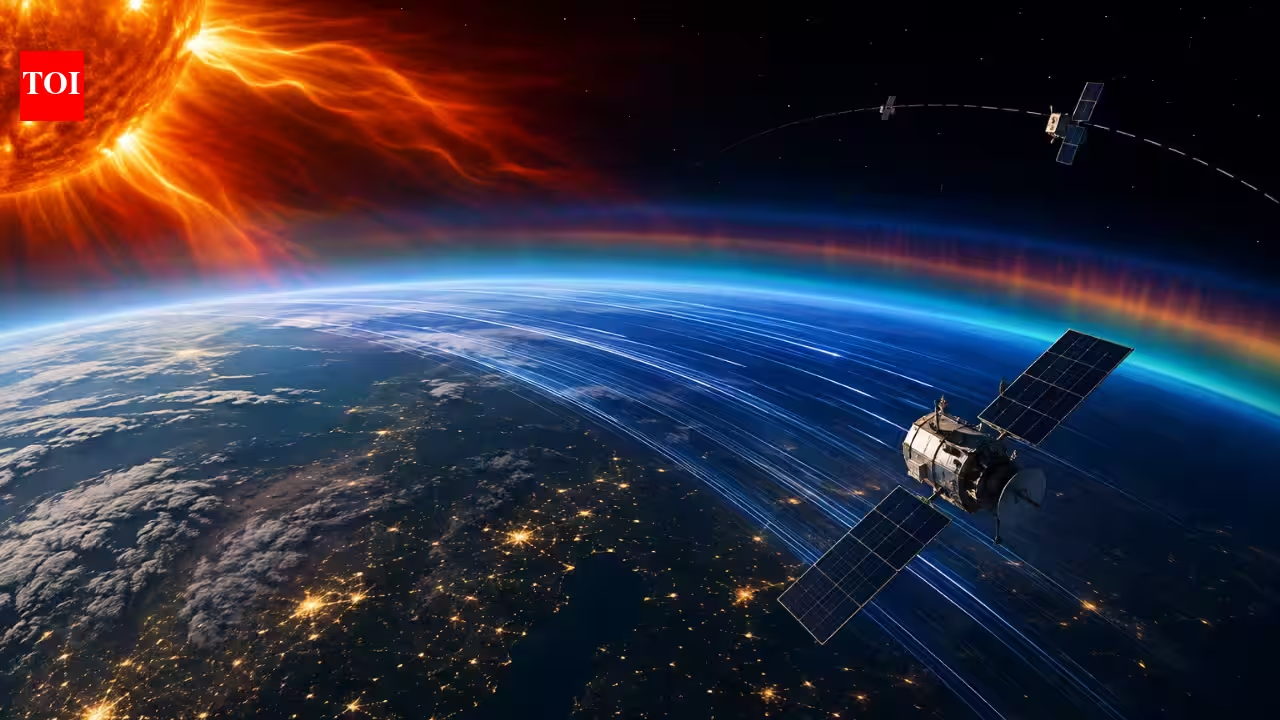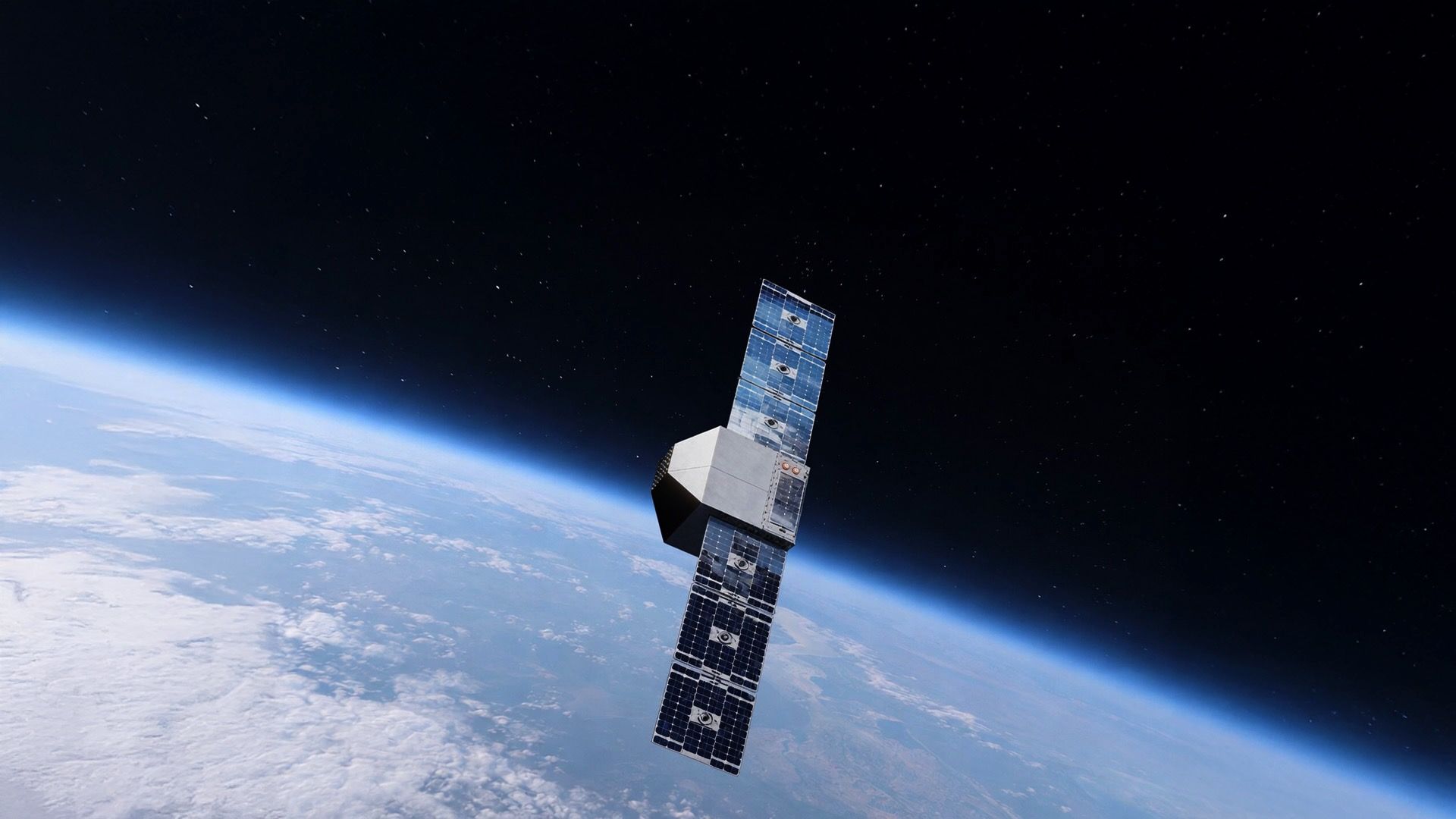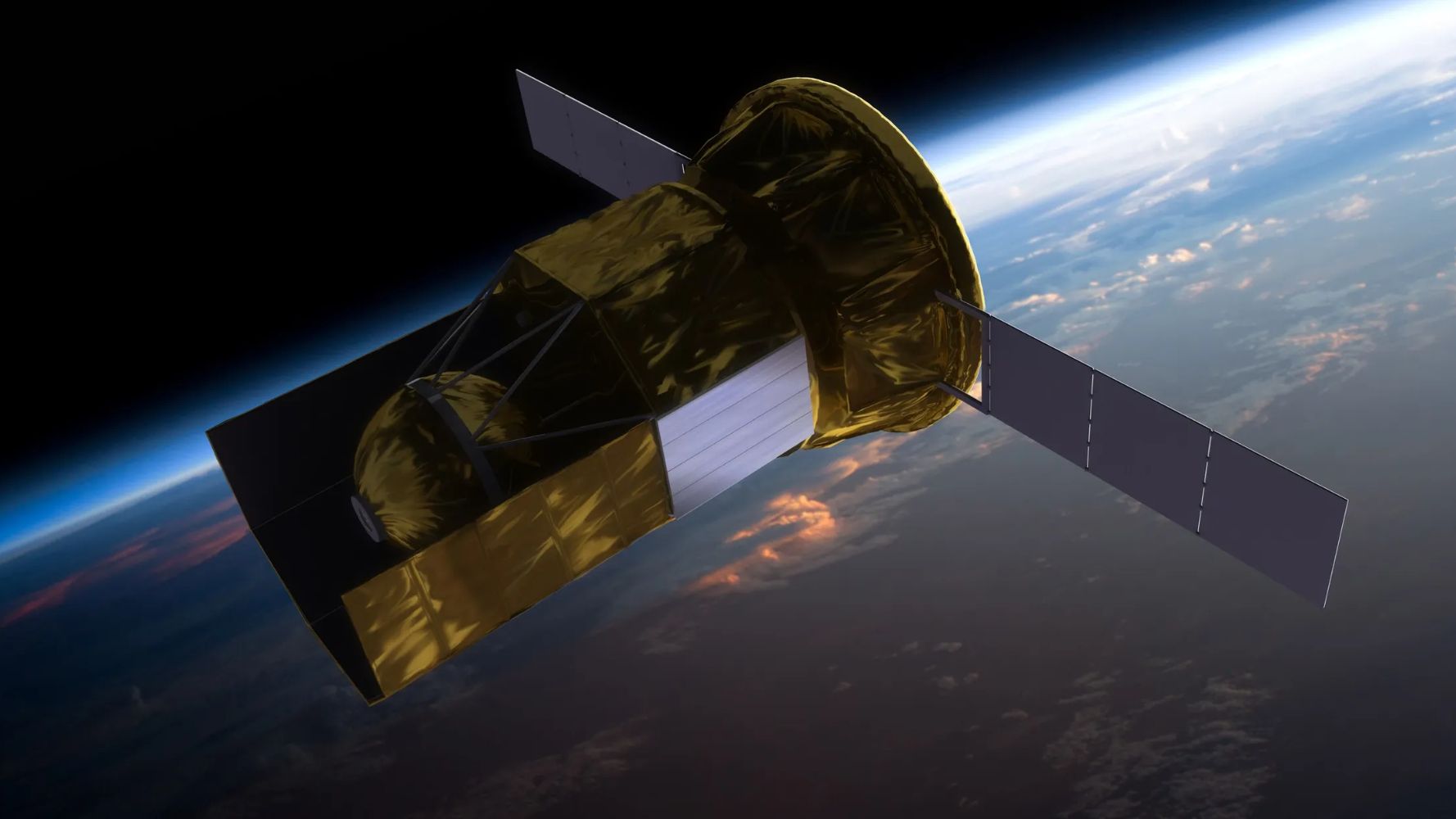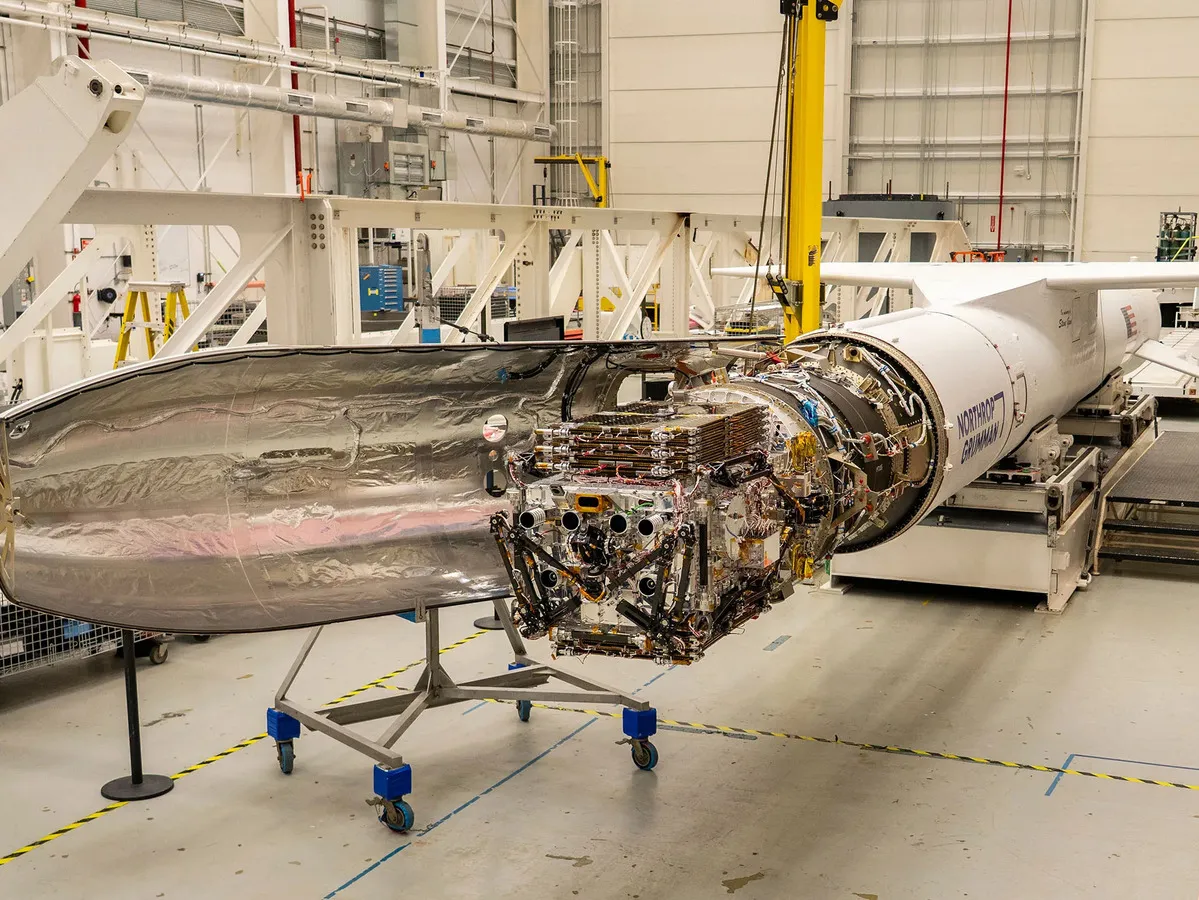
NASA has opened a new prize contest on August 19, 2026, offering up to $500,000 to inventors who can build cheap tools to measure the thin, invisible air far above Earth, the same air that quietly drags satellites off course. The contest, called the Orbital Clarity Challenge, is part of NASA's TechLeap Prize programme and will run in three phases, with as many as four winning teams sharing the prize money and earning a free test flight to try out their inventions in space.It sounds like a small problem. It isn't. Space around Earth is getting crowded, and the one thing standing between a satellite and a wobbly orbit is a layer of gas so thin most people forget it's there.The Air Nobody Can See But Every Satellite FeelsFar above the clouds, past where airplanes fly, sits a region called the thermosphere. It's mostly empty space, but not completely. A whisper-thin layer of gas still lingers there, and it pushes back against every satellite that passes through it. Engineers call this atmospheric drag. Even a tiny increase in that drag, over time, can nudge a satellite's path off its intended track.Blame It on the SunThe Sun is the troublemaker here. When it kicks up activity, it sends extra energy into Earth's upper atmosphere. That energy heats the thermosphere and makes it puff up, like a balloon left in the sun. A puffed-up atmosphere means more gas molecules sitting where satellites fly, which means more drag, which means orbits shift in ways that are hard to predict. With more satellites crowding low Earth orbit every year, getting this prediction right matters more than ever.NASA Isn't Looking for Rocket Science, It's Looking for Cheap ScienceInstead of chasing another expensive, one-off scientific instrument, NASA wants something different this time: gadgets that are cheap enough to build in bulk and simple enough to bolt onto ordinary commercial spacecraft. The challenge asks inventors to measure atmospheric density, pressure, or drag in low Earth orbit — and to do it affordably enough that dozens, maybe hundreds, of these devices could eventually ride along on satellites already heading to space. More sensors scattered across more satellites means more data points, and more data points mean scientists finally get a clearer, ongoing picture of a part of the sky that's always been hard to study.Four Winners, a Free Ride, and a Ticking ClockNASA has structured the contest around three phases. Up to four teams can make it to the finish line, splitting the $500,000 prize pool along the way. The reward isn't just cash, either, winners get a free test flight to prove their technology actually works in orbit, not just on paper. NASA is giving the whole process a 12-month runway, the idea being to push promising ideas from sketch to flight-ready hardware fast. The effort involves NASA's Heliophysics Division, its Flight Opportunities programme, and its Center of Excellence for Collaborative Innovation.Why This Quiet Challenge Could Matter A LotNone of this makes headlines the way a rocket launch does. But better measurements of the thermosphere could mean fewer surprises for satellite operators, fewer last-minute orbital corrections, and better models for predicting how spacecraft behave when the Sun acts up. NASA's betting that the fix for one of space's oldest measurement problems won't come from another giant instrument — it might come from something small, cheap, and built by someone who just entered a prize contest.
NASA is paying Rs 5 crore prize to solve a hidden space problem that requires no rocket science
NASA has launched the Orbital Clarity Challenge, offering up to $500,000 to inventors who can develop affordable tools to measure the thin upper-atmosphere gases that create drag on satellites in low Earth orbit.
568 words~3 min read