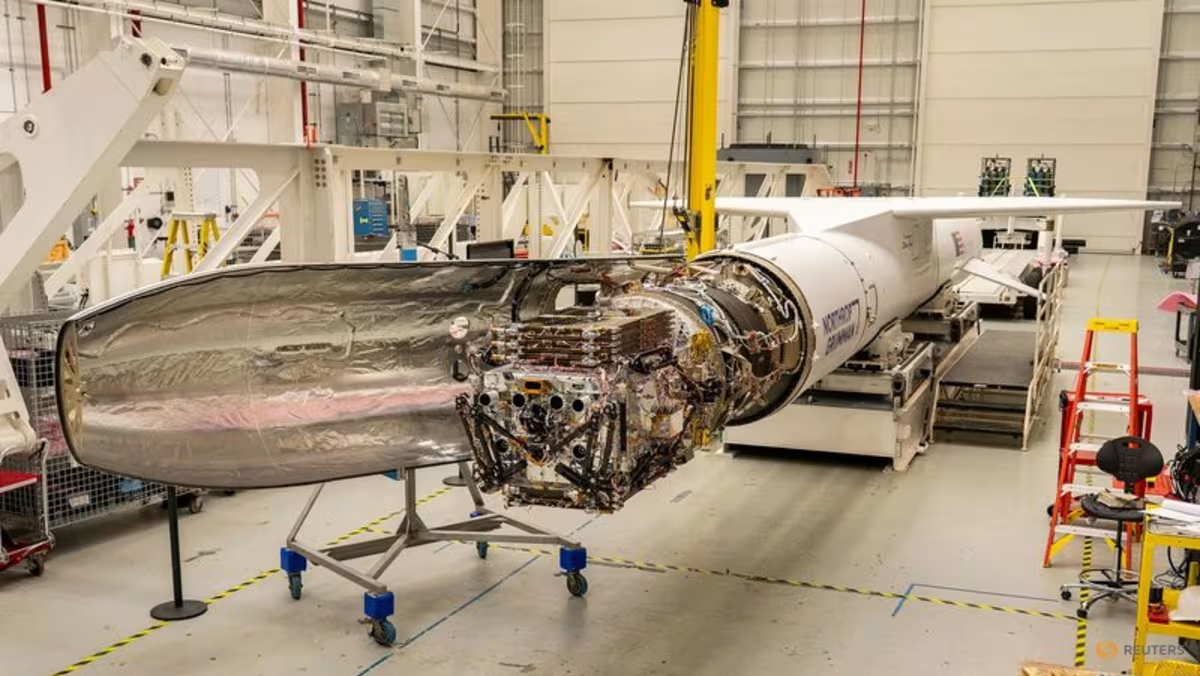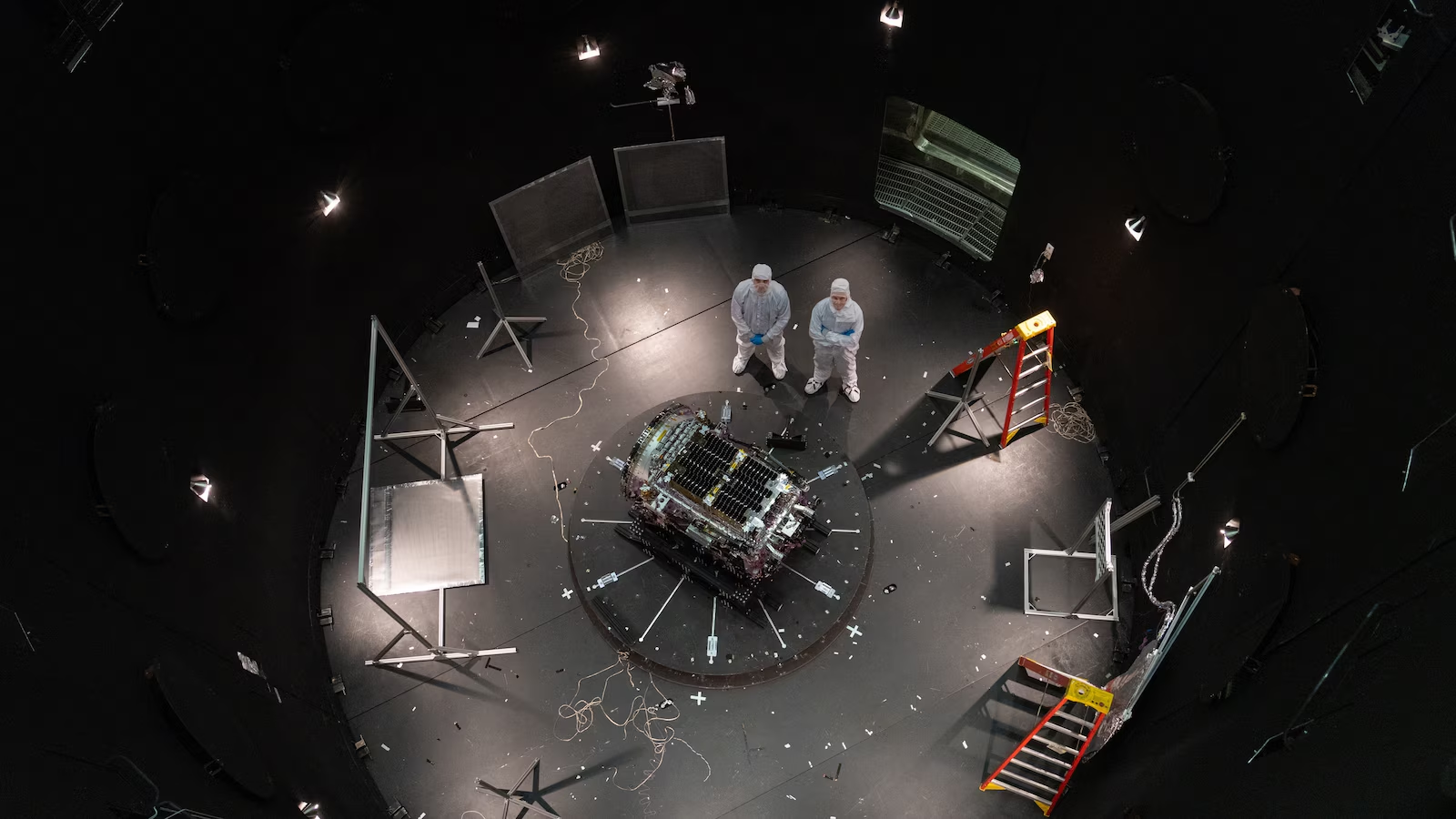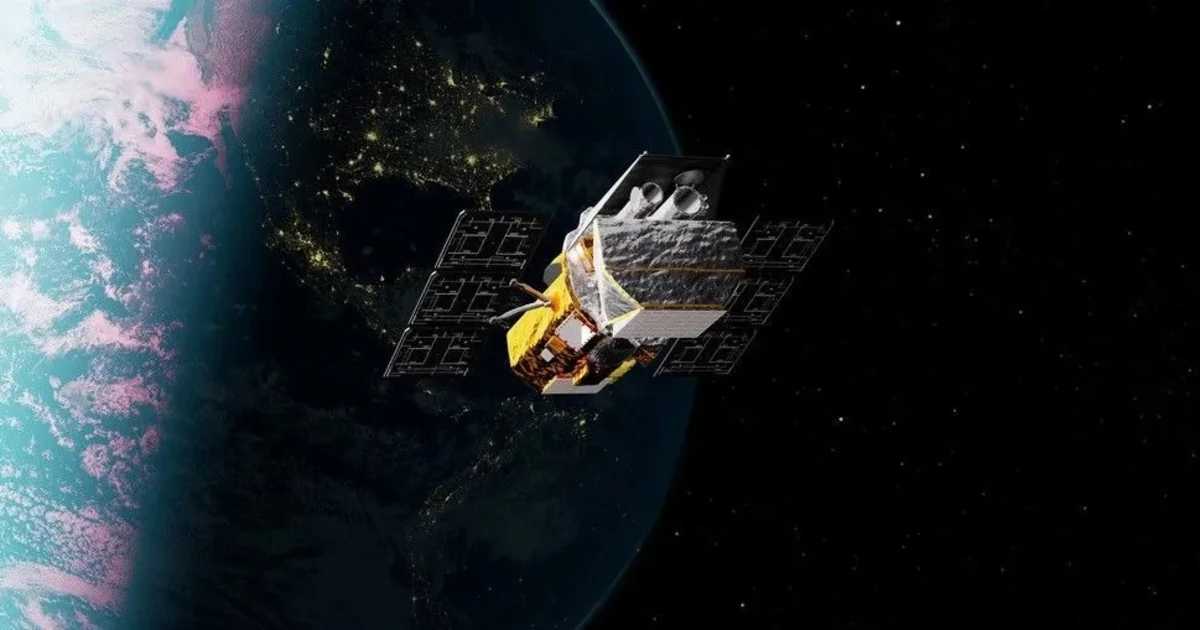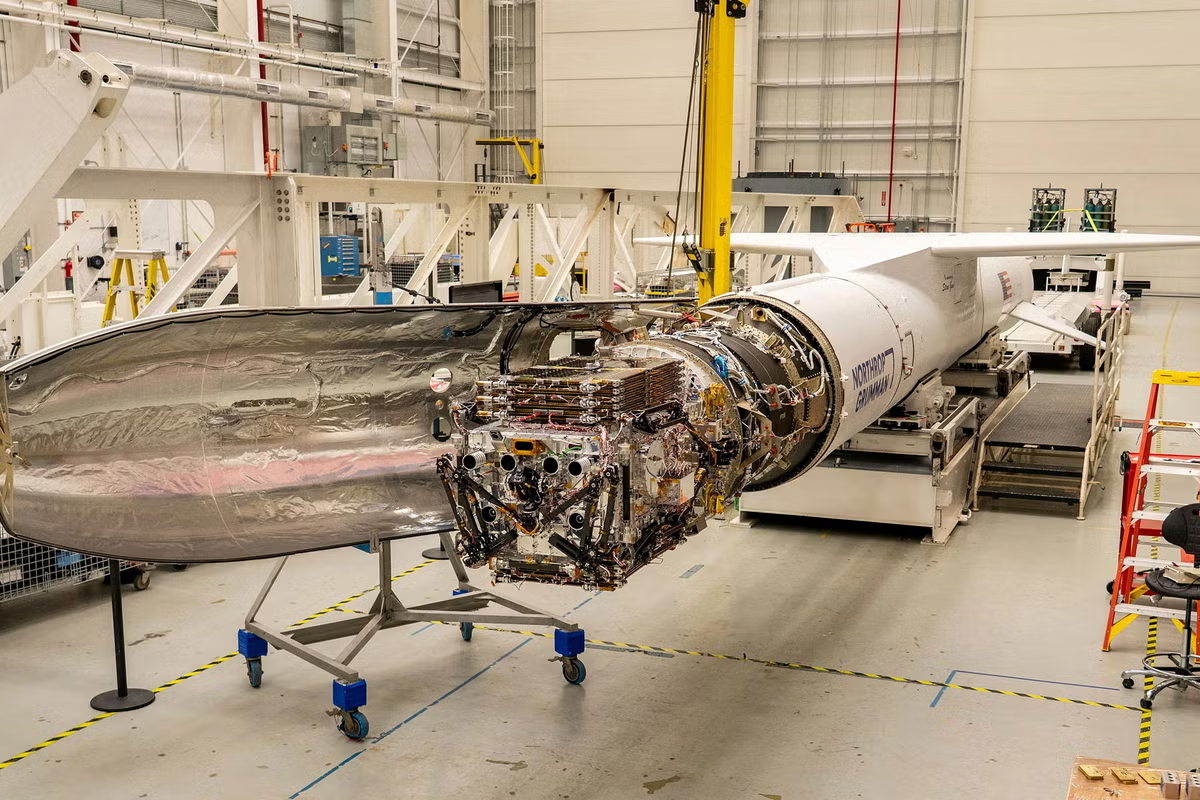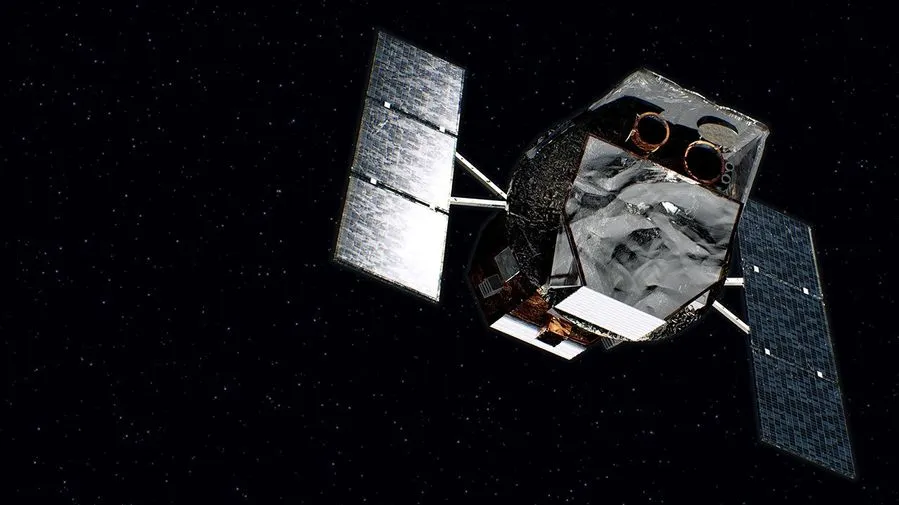
Skip to Content Subscribe My Account Manage My Subscriptions FAQ Newsletters Canada Canadian True Crime Canadian Politics Health World Israel & Middle East Financial Post NP Comment Longreads Puzzmo Diversions Comics NP News Quiz New York Times Crossword Horoscopes Life Eating & Drinking Style Sponsored Play for Ontario Travel Travel Canada Travel USA Travel International Cruises Travel Essentials Culture Books Celebrity Movies Music Theatre Television Business Essentials Advice Lives Told Tails Told Shopping Buy Canadian Home Living Outdoor Living Kitchen & Dining Tech Style & Beauty Personal Care Entertainment & Hobbies Gift Guide Travel Guide Amazon Prime Day Deals Savings National Post Store More Sports Hockey Baseball Basketball Football Soccer Golf Tennis Driving Vehicle Research Reviews News Gear Guide Obituaries Place an Obituary Place an In Memoriam Classifieds Place an Ad Celebrations Working Business Ads Archives Healthing Epaper Manage Print Subscription Profile Settings My Subscriptions My Offers Newsletters Customer Service FAQ Newsletters Canada World Financial Post NP Comment Longreads Puzzmo Diversions Life Shopping Epaper Manage Print Subscription HomeNewsSpaceWorldNASA calls off risky mission to save falling satelliteA spacecraft built by Katalyst Space launched in July with the goal of boosting the orbit of NASA’s Neil Gehrels Swift Observatory, but it suffered control issues after launchAuthor of the article:Katalyst Space’s LINK robotic servicing satellite awaits encapsulation inside a Northrop Grumman Pegasus XL on June 8, 2026, at NASA’s Wallops Flight Facility in Virginia. Photo by Ron Beard /NASANASA’s risky mission to save a falling space telescope has failed, bringing an end to an experimental project aimed at demonstrating a new way to extend the lifespan of spacecraft in orbit.Enjoy the latest local, national and international news.Exclusive articles by Conrad Black, Barbara Kay and others. Plus, special edition NP Platformed and First Reading newsletters and virtual events.Unlimited online access to National Post.National Post ePaper, an electronic replica of the print edition to view on any device, share and comment on.Daily puzzles including the New York Times Crossword.Support local journalism.Enjoy the latest local, national and international news.Exclusive articles by Conrad Black, Barbara Kay and others. Plus, special edition NP Platformed and First Reading newsletters and virtual events.Unlimited online access to National Post.National Post ePaper, an electronic replica of the print edition to view on any device, share and comment on.Daily puzzles including the New York Times Crossword.Support local journalism.Create an account or sign in to continue with your reading experience.Access articles from across Canada with one account.Share your thoughts and join the conversation in the comments.Enjoy additional articles per month.Get email updates from your favourite authors.Create an account or sign in to continue with your reading experience.Access articles from across Canada with one accountShare your thoughts and join the conversation in the commentsEnjoy additional articles per monthGet email updates from your favourite authorsSign In or Create an AccountorKatalyst Space’s Link spacecraft, partly funded by the U.S. space agency, launched in early July with the goal of capturing NASA’s Neil Gehrels Swift Observatory and boosting its orbit.Swift, which has been studying gamma-ray bursts from space since 2004, has been slowly falling out of orbit and will eventually burn up in Earth’s atmosphere. Link’s mission aimed to push Swift to a higher altitude to keep the spacecraft operating in space for years into the future.Get a dash of perspective along with the trending news of the day in a very readable format.By signing up you consent to receive the above newsletter from Postmedia Network Inc.A welcome email is on its way. If you don't see it, please check your junk folder.The next issue of NP Posted will soon be in your inbox.We encountered an issue signing you up. Please try againHowever, Link suffered control issues after launching, causing the spacecraft to spin and leading to a loss of communications with the vehicle, the company and NASA said. Katalyst found issues with the hardware used to manage Link’s orientation, as well as problems with the vehicle’s thruster engines, they said.NASA always presented the Swift Boost mission as a risky endeavour, given its quick turnaround time. The U.S. space agency awarded Katalyst a US$30-million contract for the mission last September after a series of solar storms caused Swift to drift toward Earth faster than expected, according to NASA.“We took on this high-risk, high-reward challenge and are proud of the milestones we reached along the way,” Katalyst Chief Executive Officer Ghonlee Lee wrote in a statement.The company and NASA are assessing what other objectives the Link spacecraft can meet while in orbit, with the possibility that Link may still approach the Swift telescope to demonstrate the ability to hover close to another vehicle in space.The 21-year-old Swift observatory studies gamma-ray bursts, which NASA has said are the most powerful explosions in the universe, and the satellite was originally expected to have an orbital life of seven years.Without a boost to its orbit, Swift will likely enter Earth’s atmosphere and burn up later this year, NASA said, bringing an end to its mission. Join the Conversation This website uses cookies to personalize your content (including ads), and allows us to analyze our traffic. Read more about cookies here. By continuing to use our site, you agree to our Terms of Use and Privacy Policy.
NASA calls off risky mission to save falling satellite
A spacecraft built by Katalyst Space was to boost the orbit of NASA’s Neil Gehrels Swift Observatory, but had control issues after launch.
864 words~4 min read