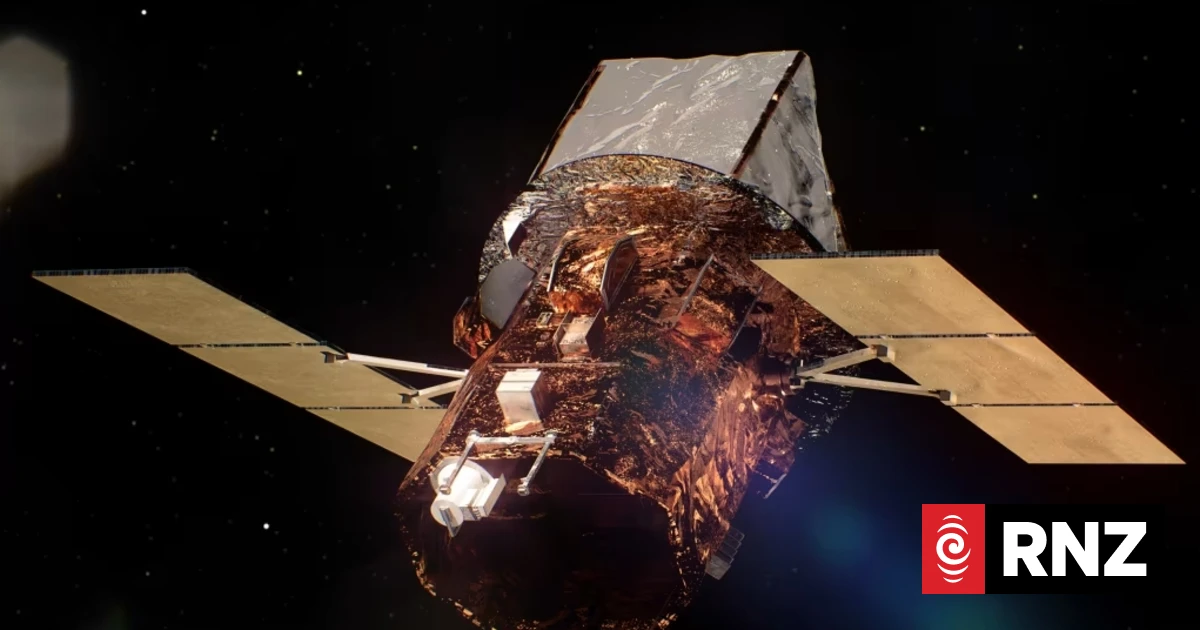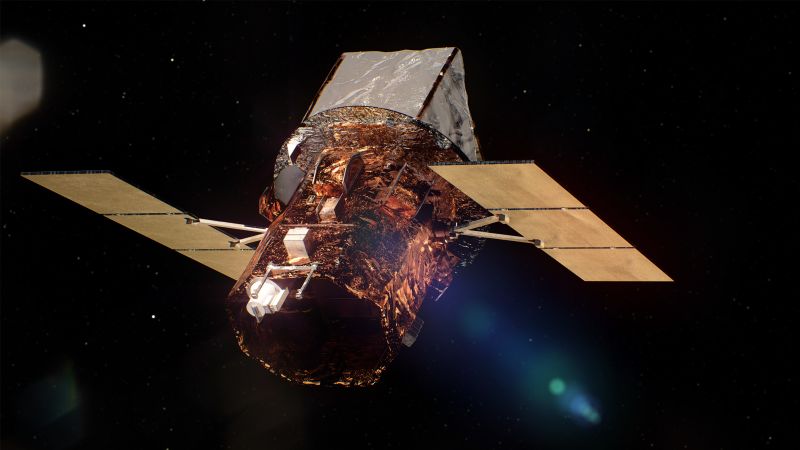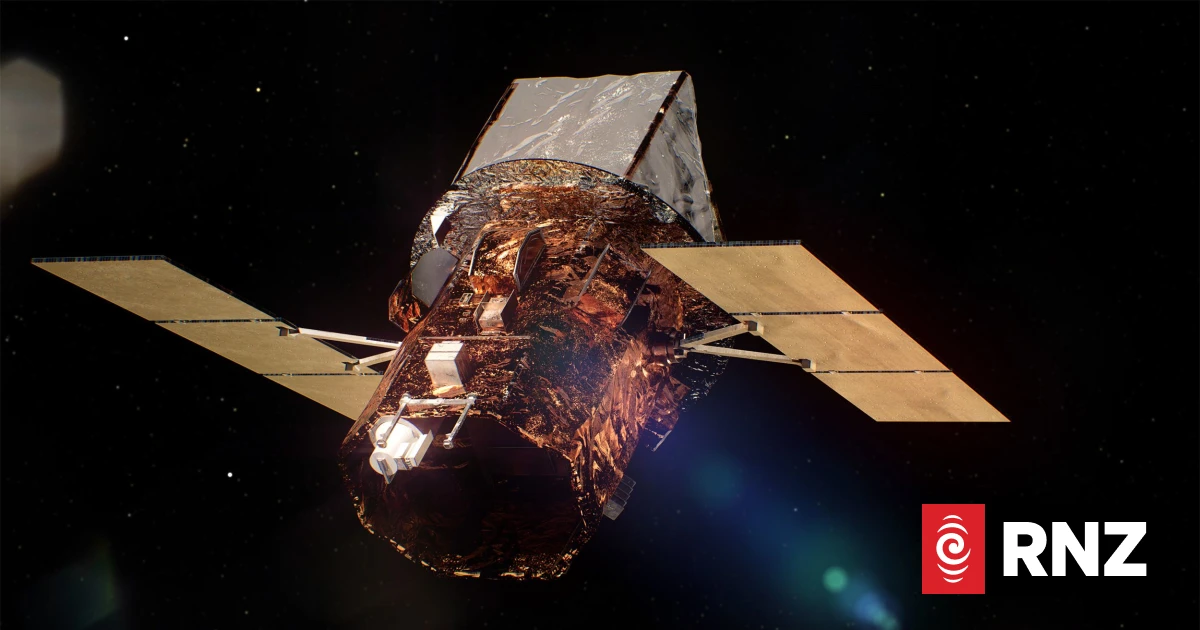
A daring mission to rescue one of NASA’s crucial space observatories from falling to Earth has encountered issues of its own — but there may still be hope for both spacecraft to beat the odds.
The Neil Gehrels Swift Observatory has served as an astrophysics multitool in low-Earth orbit since it launched nearly 22 years ago, acting as NASA’s first responder in space when celestial objects flare with activity, according to mission scientists.
But atmospheric drag intensified by solar activity exerted its forces on the observatory. Without any intervention, Swift is likely to reenter our planet’s atmosphere this fall once it sinks below an optimal altitude of about 185 miles (300 kilometers) above Earth, according to NASA’s predictions.
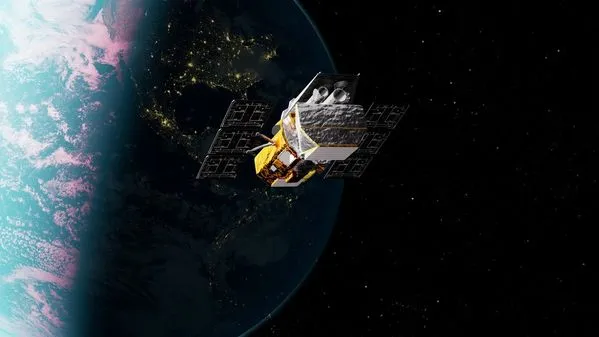
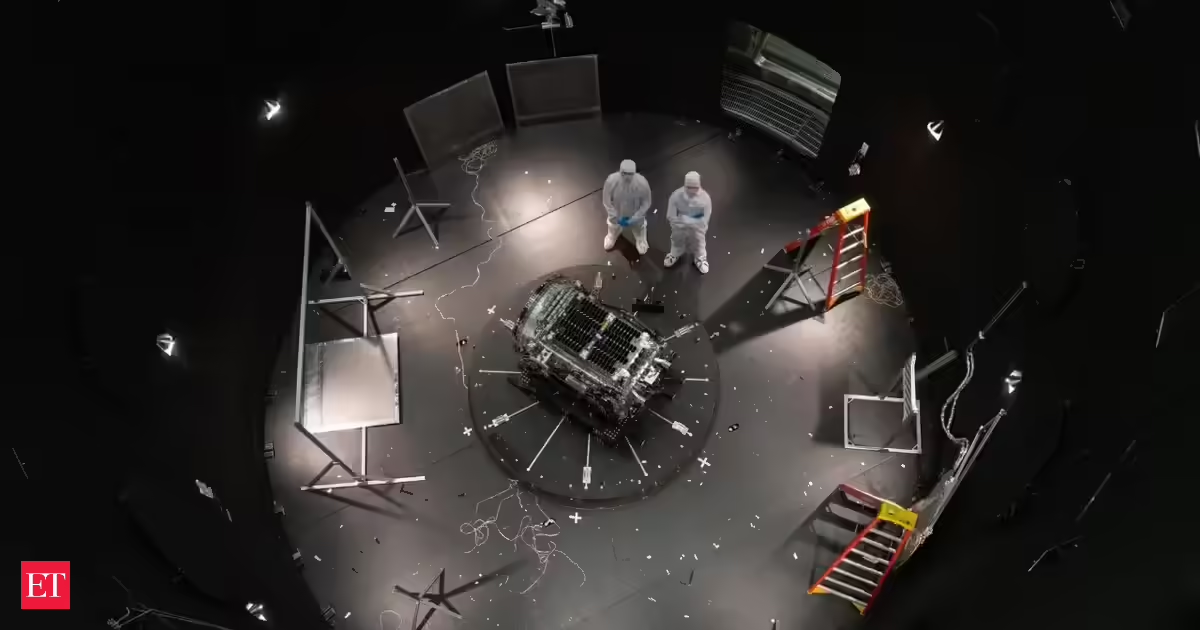
The agency selected Arizona-based Katalyst Space Technologies to design, build, test and launch — all in the span of just nine months — a spacecraft capable of rendezvousing with Swift and boosting its orbit.
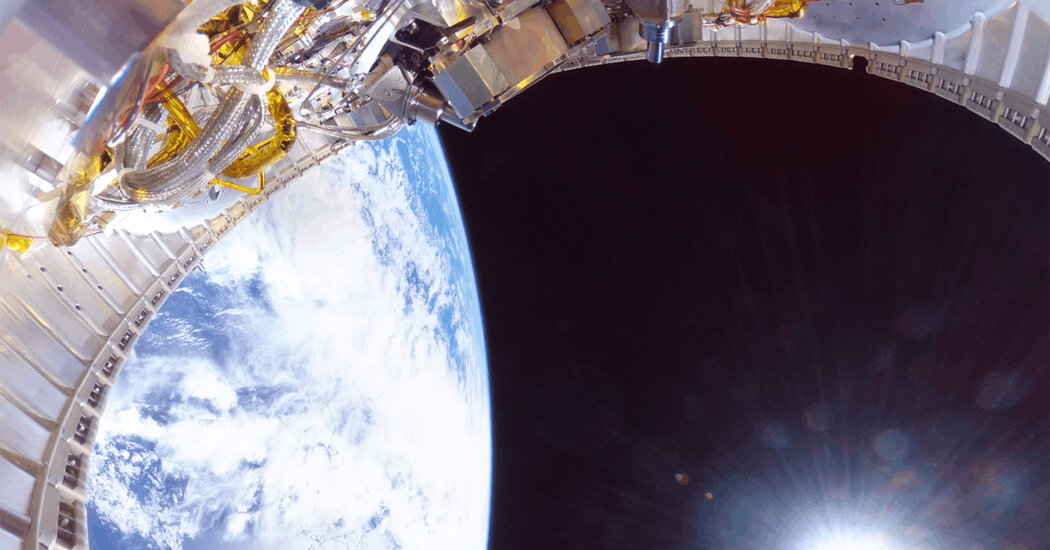
The robotic satellite, named LINK, launched on July 3. It lifted off on a Northrop Grumman Pegasus XL rocket, which was released midair by the company’s modified L-1011 aircraft, Stargazer.