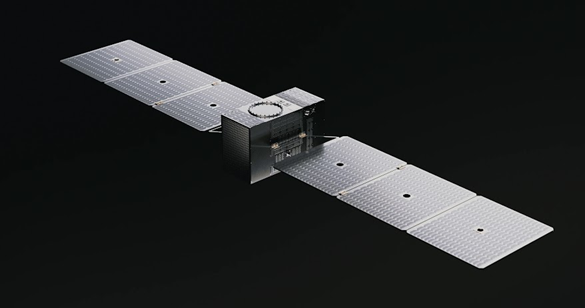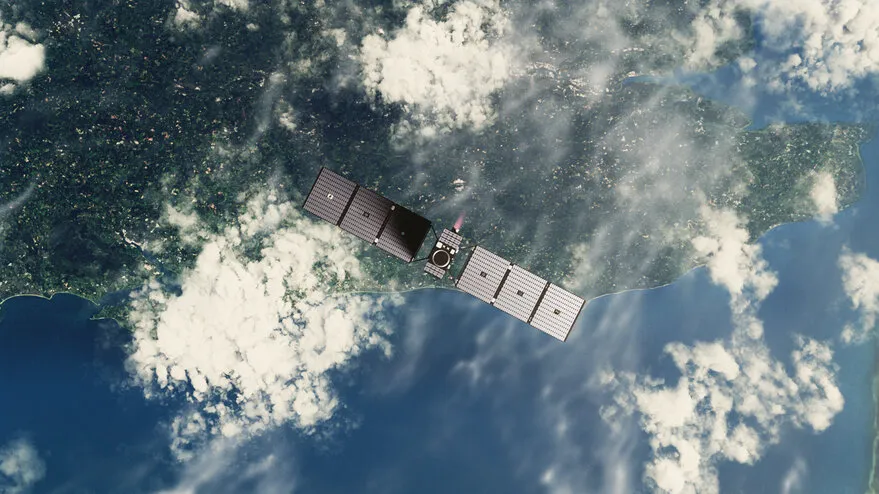
TL;DRUK startup NewOrbit raised an oversubscribed $18.5M Series A to build the first commercial satellite for very low Earth orbit (200-300km), a band kept empty for 60 years by drag, atomic oxygen, and physics. First launch is planned for 2028.
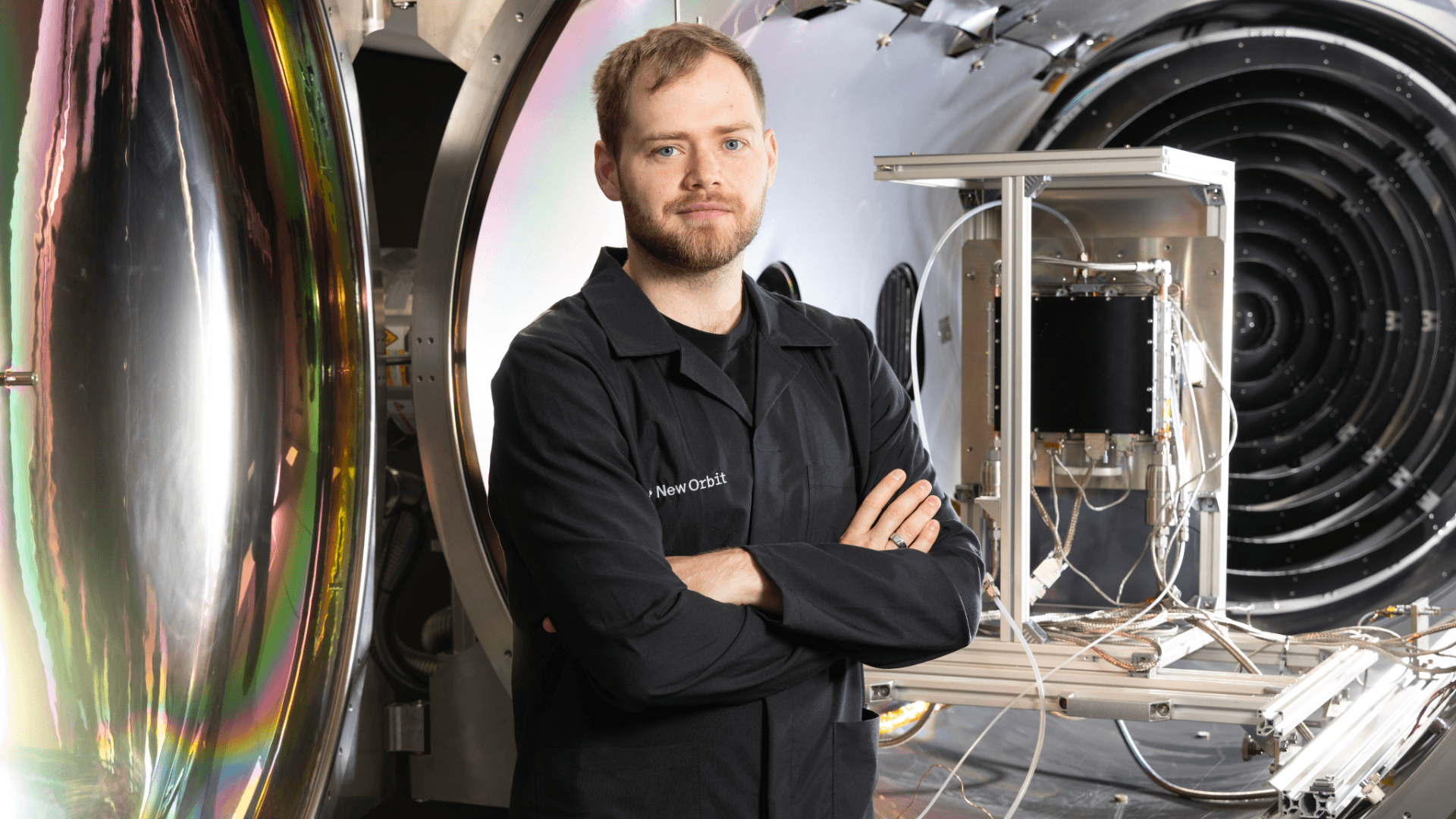
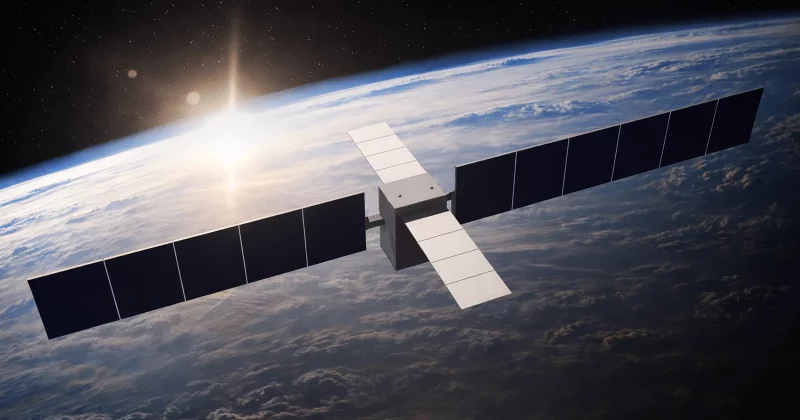
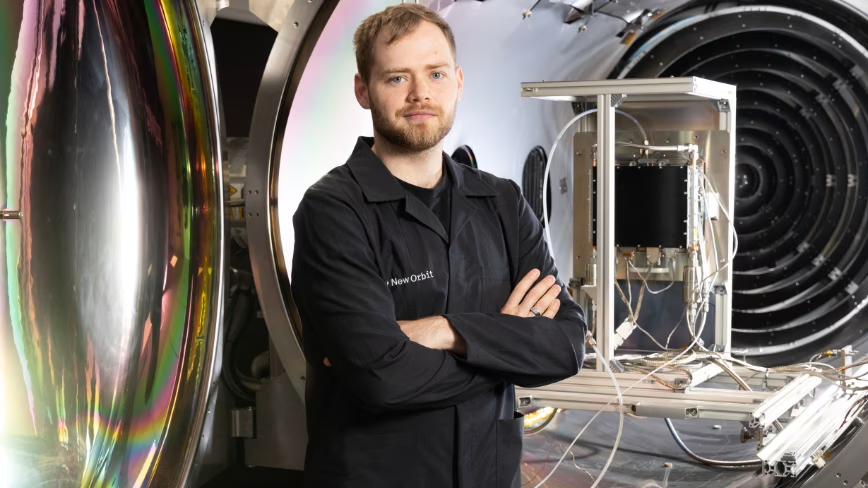
Between commercial aircraft at 10km and conventional satellites at 500km lies a band of near-Earth space that has never been used commercially. Very low Earth orbit, or VLEO, sits at 200 to 300km, an altitude historically reserved for spy satellites and the International Space Station. Reading-based NewOrbit announced on Monday an oversubscribed $18.5 million Series A to become the first company to fly commercial payloads there.
The round was led by Voyager Ventures, which manages $475 million across three funds, with angel investors including David Kirk, Nvidia’s former chief scientist, and Laurence Leuschner, former CEO of European mobility unicorn TIER Mobility. Existing backers Atlantic.vc, Lifeline Ventures, LGF, and Illusian also participated.
Why VLEO has been off limits
Three forces have kept VLEO commercially unviable since the dawn of the space age. Atmospheric drag at these altitudes pulls spacecraft back to Earth within weeks or months. Atomic oxygen, which makes up roughly 96% of the atmosphere at this altitude, corrodes surfaces and degrades optical sensors, thermal coatings, and solar cells. Aerodynamic torques destabilise orientation, making it difficult to point instruments accurately.