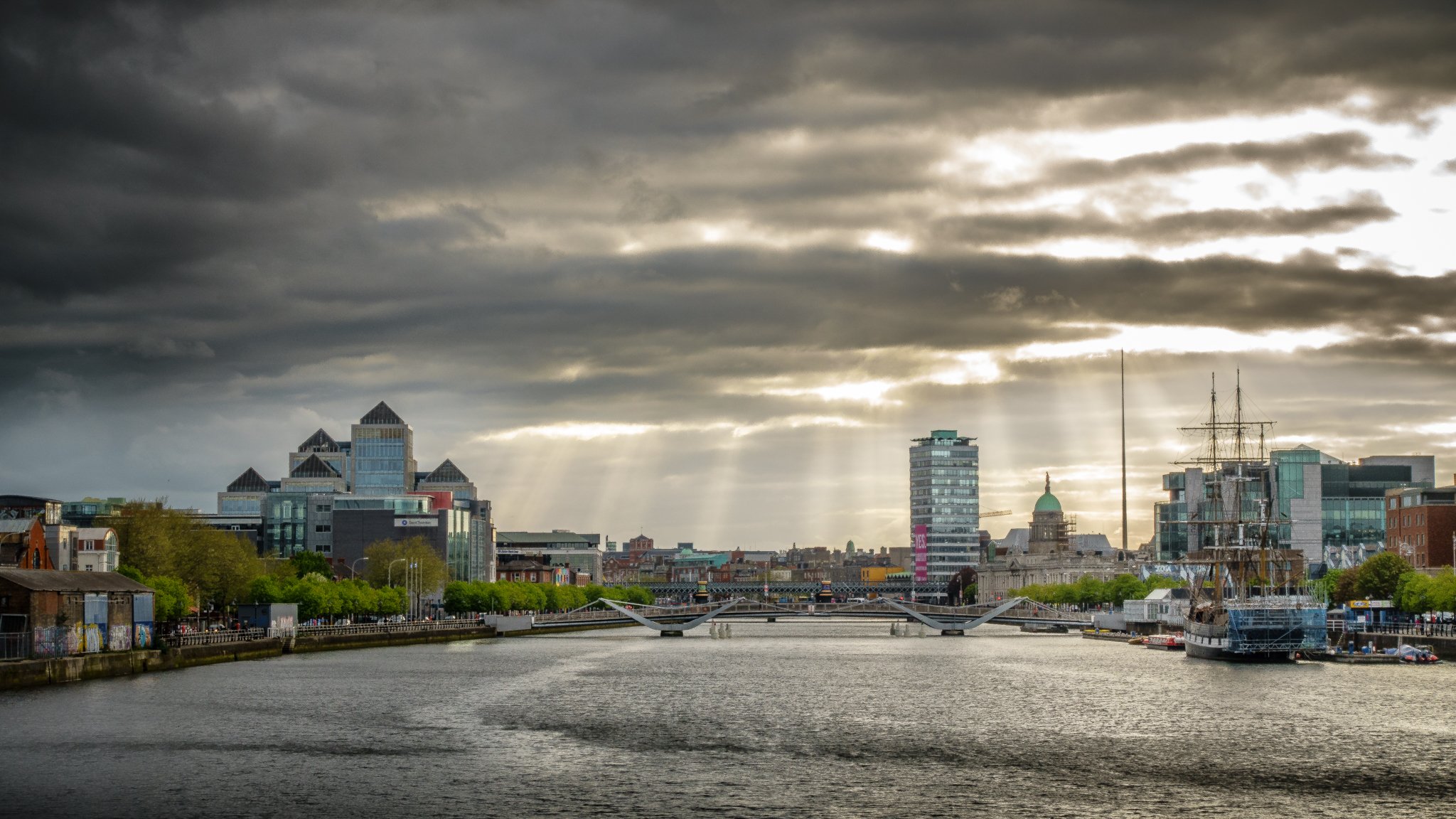
Since gaining independence a little over 100 years ago, and subsequently joining the EEC in 1973, the Irish state has maintained strong diplomatic credentials among European partners. Throughout this time, Ireland has been very well looked upon due to its commercial openness, consensus-building, and rich cultural brand.
Deemed a modern economic success story, the small northwestern EU member state has recorded extraordinary and rapid financial growth in recent decades, in large part due to enormous investment from US tech and pharmaceutical giants.
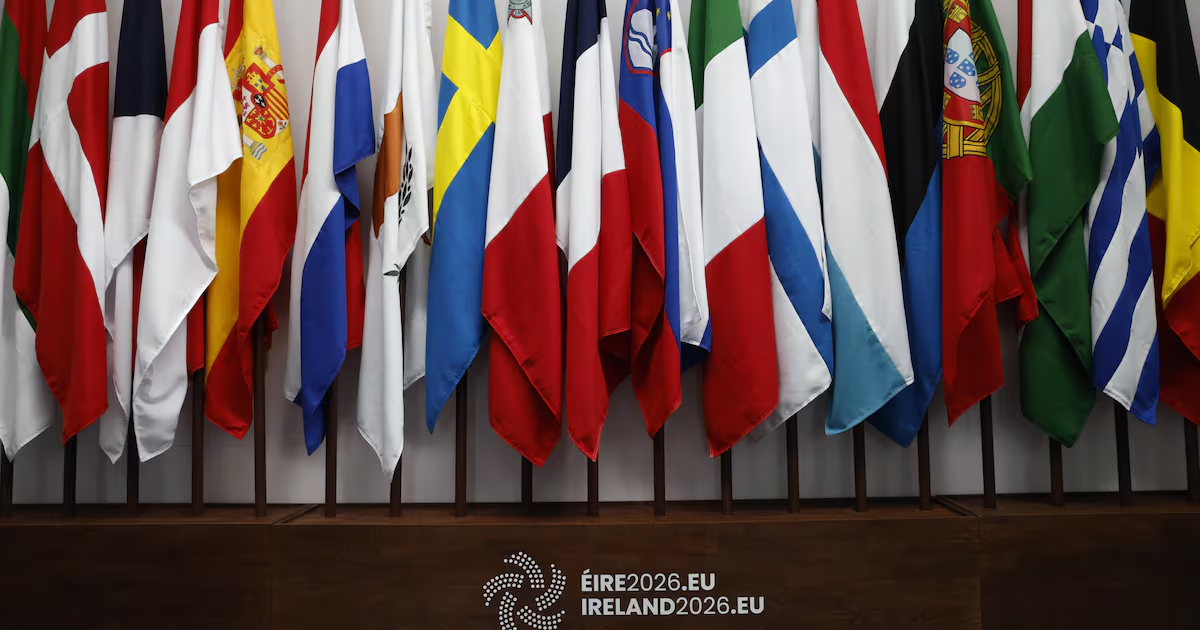
In an EU context, Ireland’s evolution is striking, with the country shifting from being a long-term net beneficiary of EU funds to the second-highest net contributor per capita in recent years, behind only the Netherlands.
In terms of identity and interests, Ireland has historically occupied a unique place in the European Union, positioned somewhere between the Anglosphere and continental Europe.
Certainly, Ireland holds deep cultural connections with other English-speaking countries like the US, Britain, Canada, and Australia, with these nations also sharing many legal and administrative frameworks.