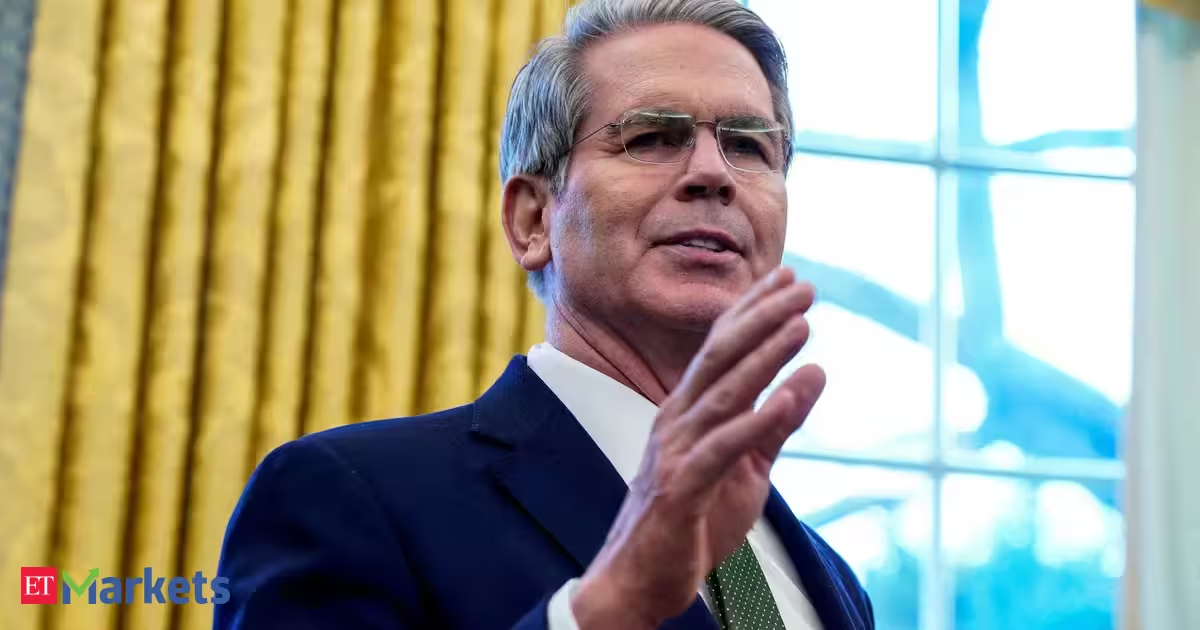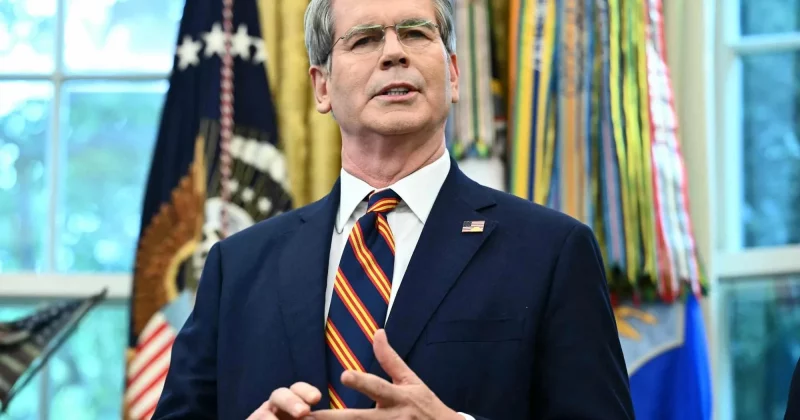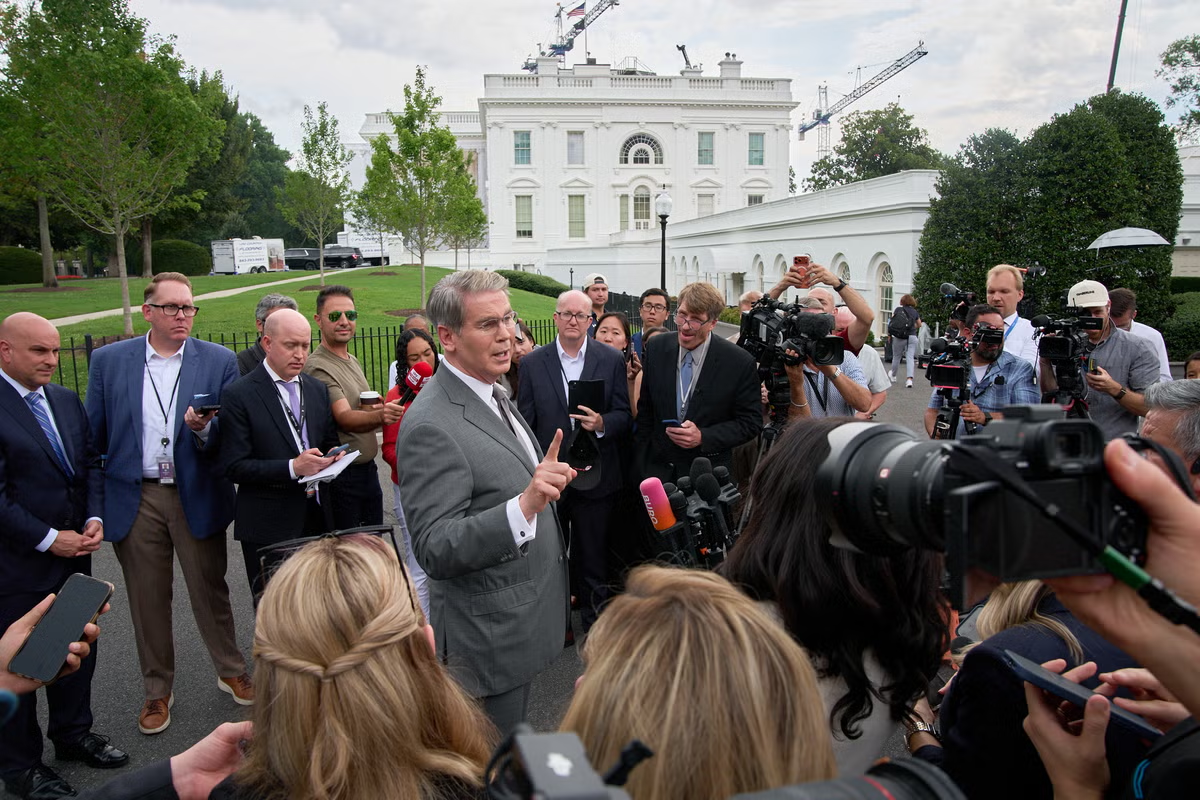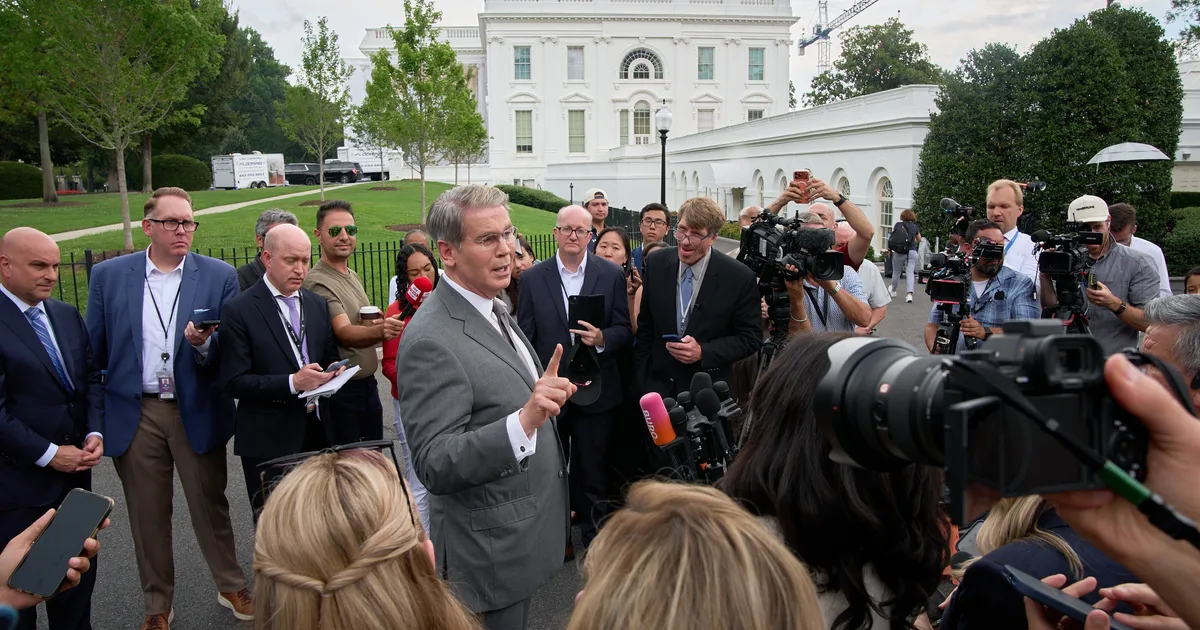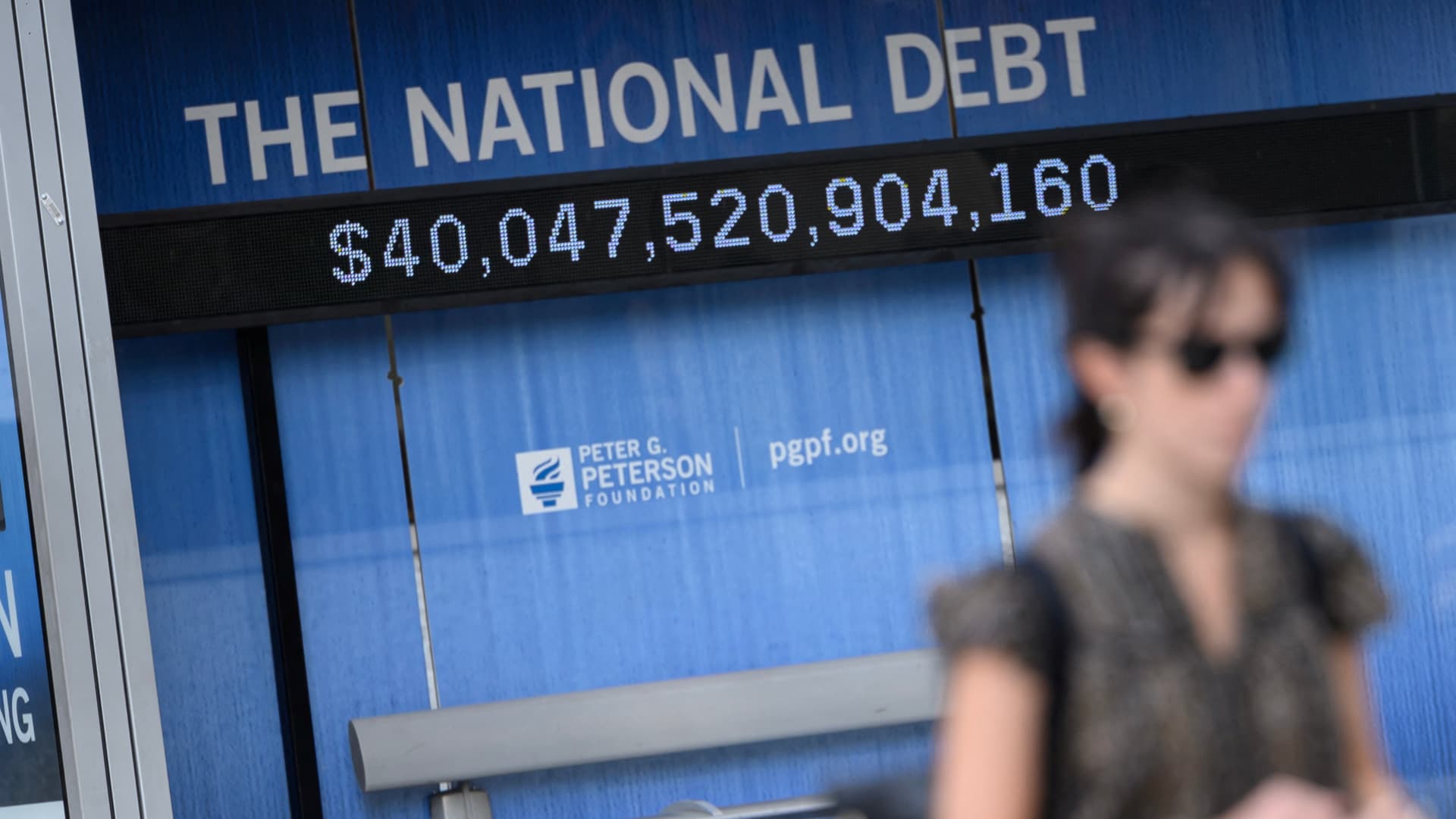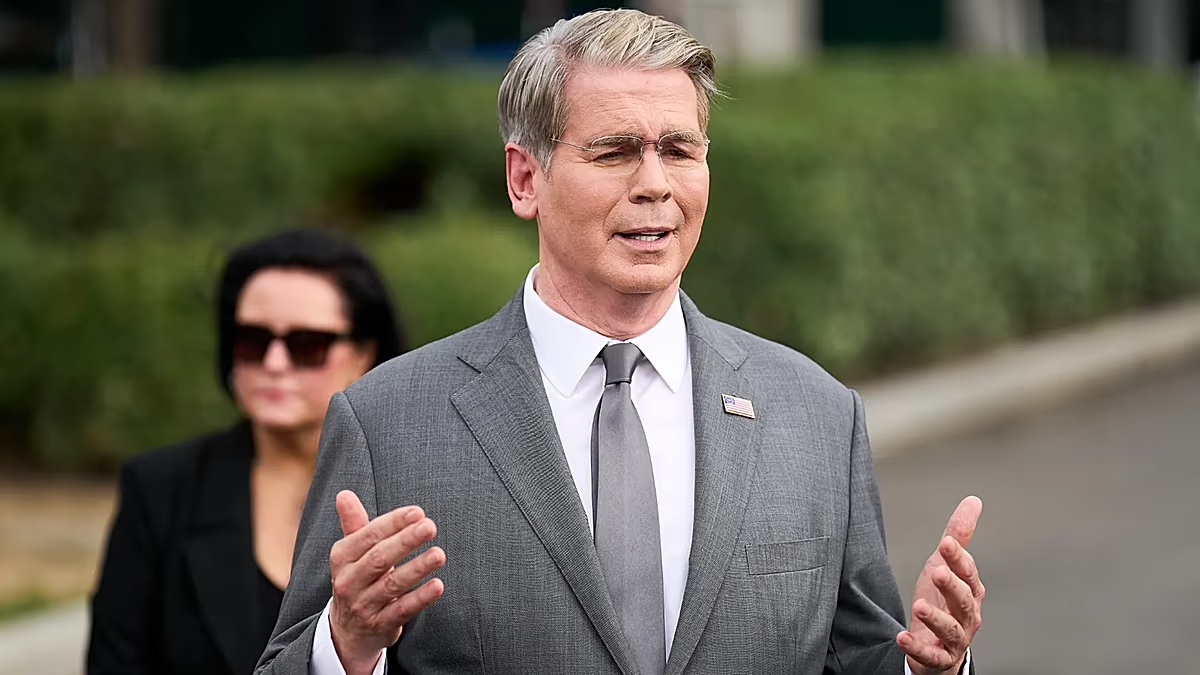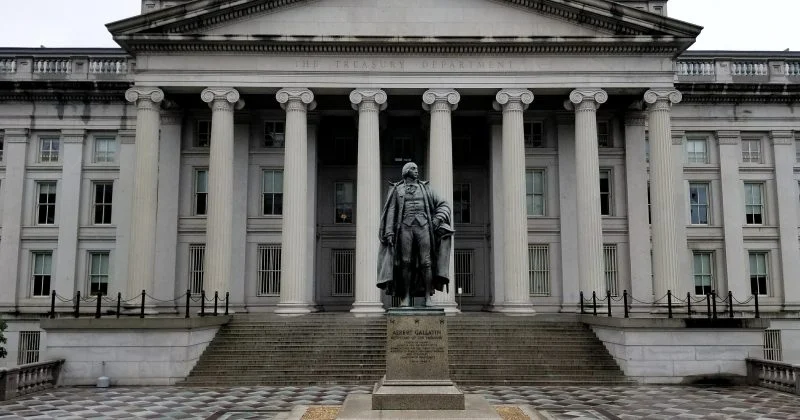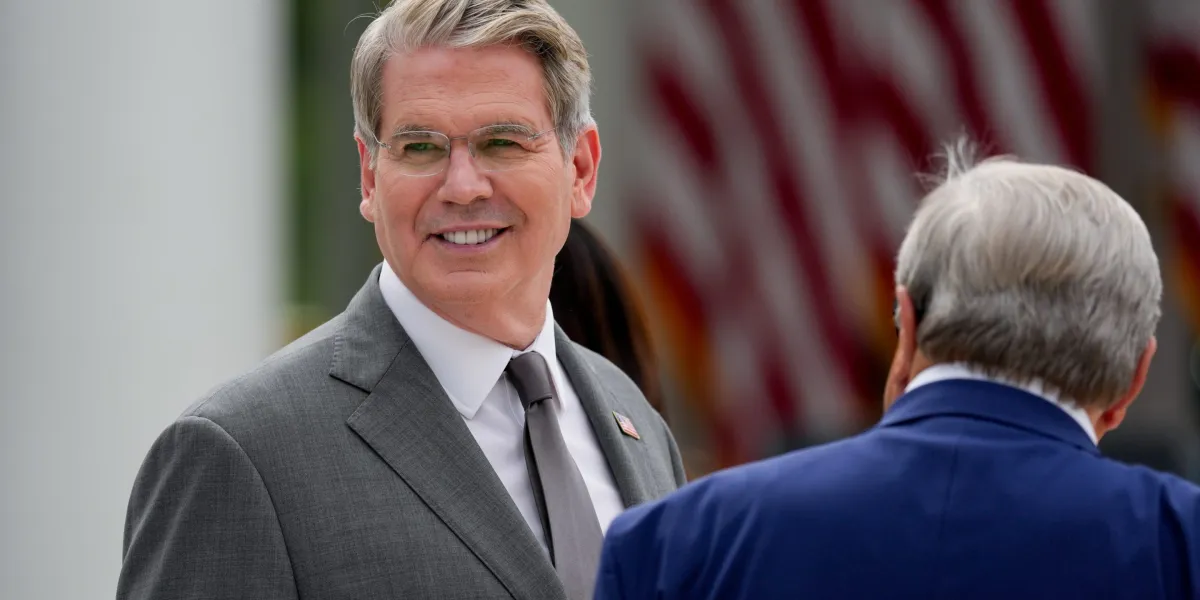
Good morning. The era of cheap money is officially over. The bond market, not the Fed, is giving the clearest signal to CEOs that their borrowing costs are going up. U.S. Treasury Secretary Scott Bessent’s $4 billion buyback plan for longer-dated government debt managed to calm bond markets for barely a day before we saw another sell-off, pushing up the yield on the 30-year Treasury. With the U.S. national debt now topping $40 trillion, few seem to share Bessent’s view that “we can grow our way” out of the fiscal burden.
To some extent, skittish bond markets are another example of growing risks—and costs—in the U.S. economy. It’s even more likely that the Fed will raise interest rates when it meets again in September. Higher yields mean Washington is now paying close to $3.2 billion a day in interest on the debt. It raises the mortgage rates that are weighing on consumers and builders like KB Home, which CEO Rob McGibney recently spoke about in this column.
Other implications to think about? First, the Trump Administration’s fiscal policy. Lower taxes and regulatory burdens have certainly helped to fuel corporate spending, with the Treasury department reporting that business investment rose nearly 10% in the first half of the year. But there are trade-offs to every decision. The evaporating tariff windfall was a $200 billion hit to this year’s budget. Add in an atmosphere of overall uncertainty, America’s record level of debt and deep concern over this administration’s commitment to ethics and rule of law. They point to higher borrowing costs in the longer term and other sources of friction for leaders.