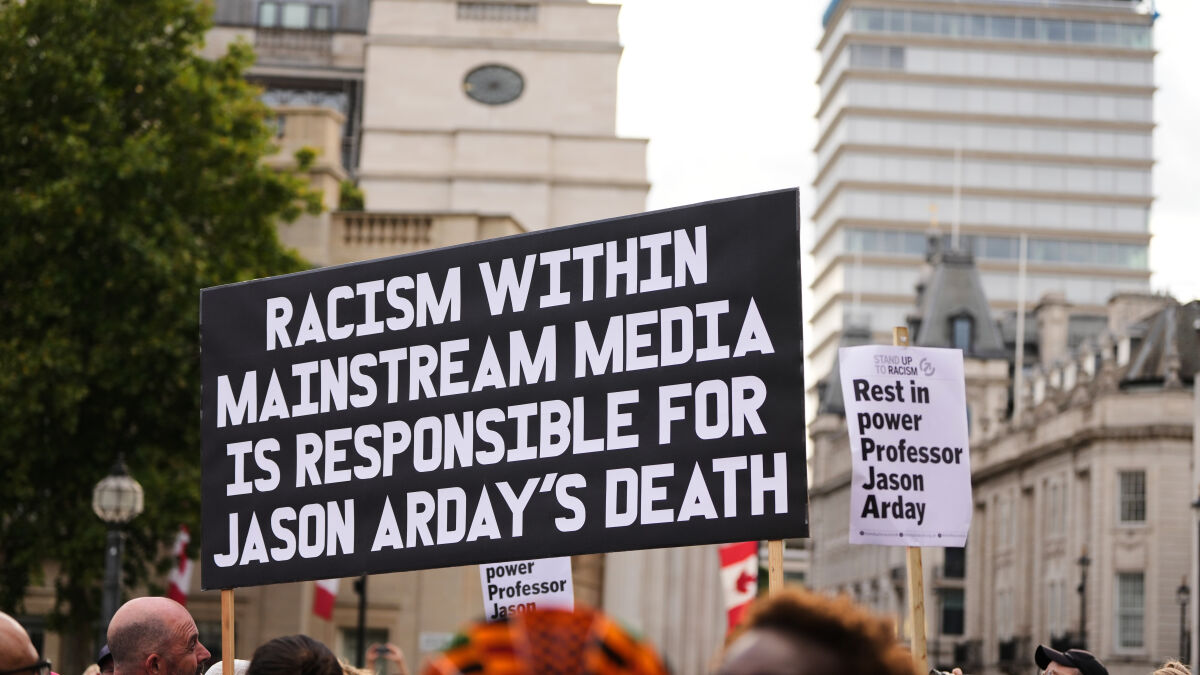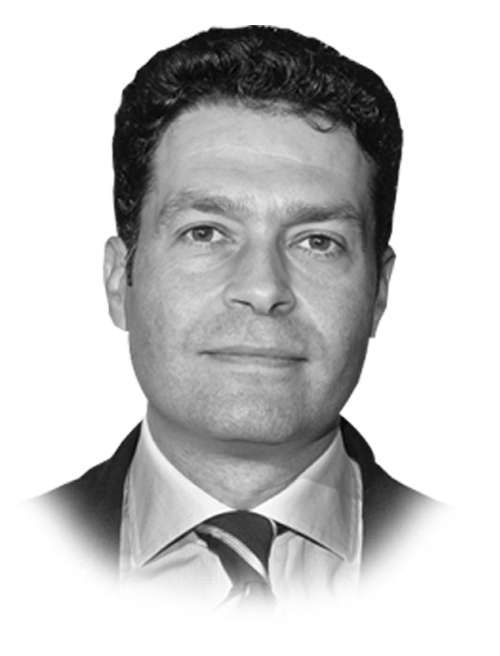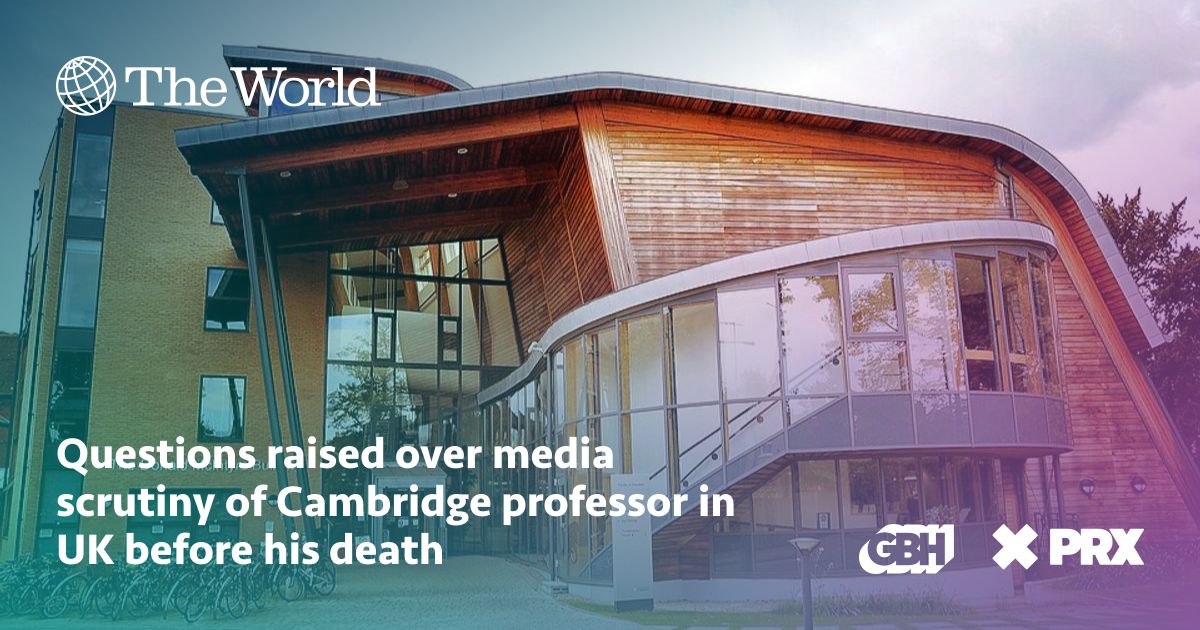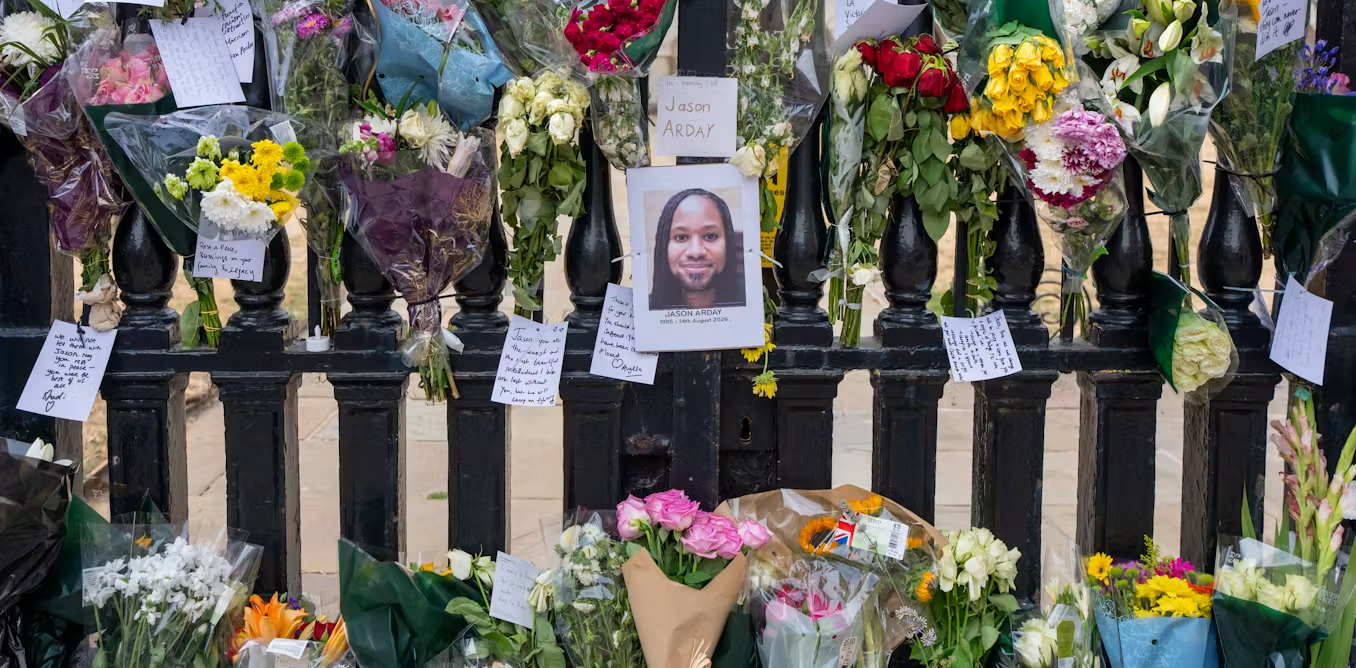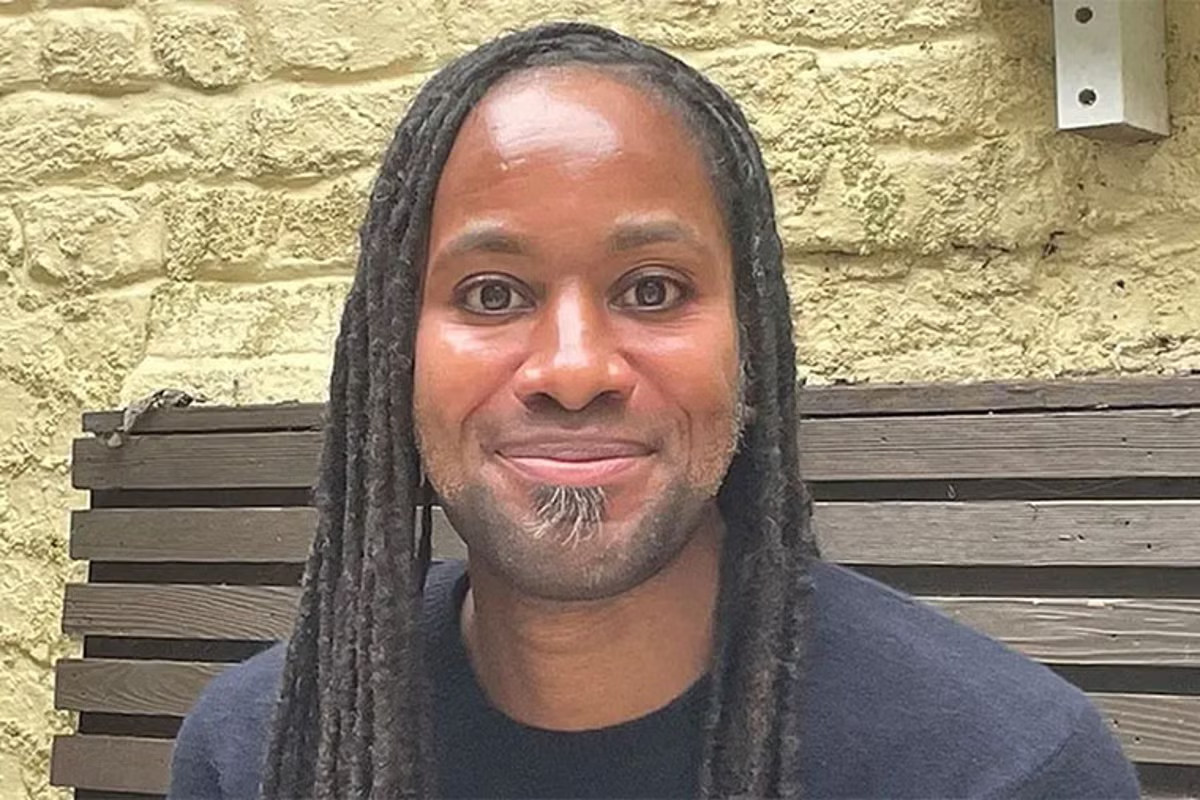
When a colleague learnt that I was about to take up a professorship at Lancaster University, he joked: “You can die now.” It was not a threat or morbid wish. He meant that, at 31, I had reached the position many academics spend their careers pursuing. In the conventional academic story, becoming a full professor is the summit. I laughed at the time. After the unexpected death of former Cambridge professor Jason Arday, those words feel very different.Arday became the youngest black professor in Cambridge University’s history at 37. He died at 41, shortly after resigning amid allegations concerning plagiarism and aspects of his record. Police described his death as unexpected but not suspicious.We should neither speculate about its cause nor use his death to settle allegations that are still being investigated. Plagiarism is a serious breach of academic trust, and allegations must be investigated rigorously. But accountability and humanity are not mutually exclusive.My path to the professoriate was highly unusual. I completed my doctorate in two years, entered academia at 27, became a senior lecturer at Royal Holloway, University of London, at 29, and was appointed professor of China and International Studies at Lancaster two years later.A full professorship at 31 is exceptionally rare in British academia. Achieving this as an ethnic-minority scholar, just four years after entering academia, was rarer still. From the outside, it appeared to prove that effort and productivity could overcome barriers of age and ethnicity.The reality was more complicated. “Professor” suggested authority, maturity and security. Yet I lacked the networks and experience most professors develop over decades. Colleagues could assume that I no longer needed mentoring; managers that someone who advanced quickly could absorb unlimited responsibility. Admitting uncertainty seemed incompatible with exceptional success.
Opinion | Why the Jason Arday case resonates with me
While stories emphasising the personal background of academics can inspire, they can also turn those scholars into a symbol too early.
289 words~1 min read