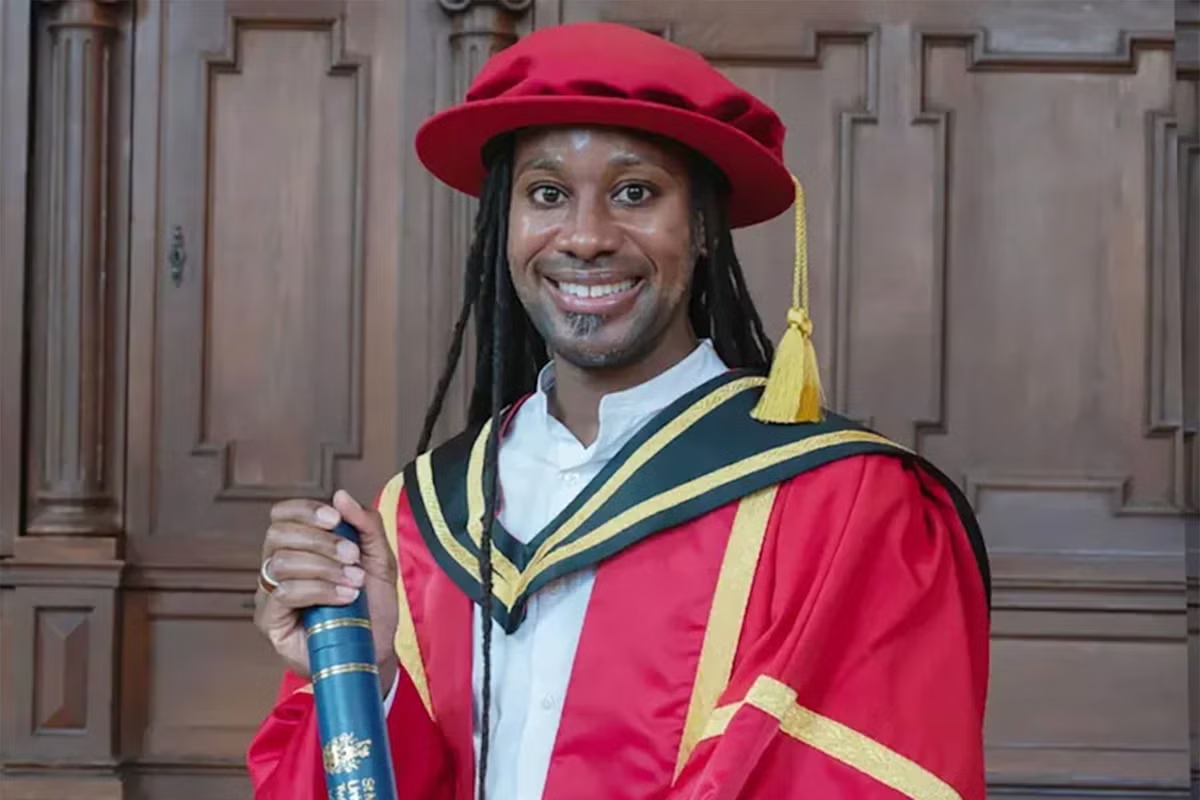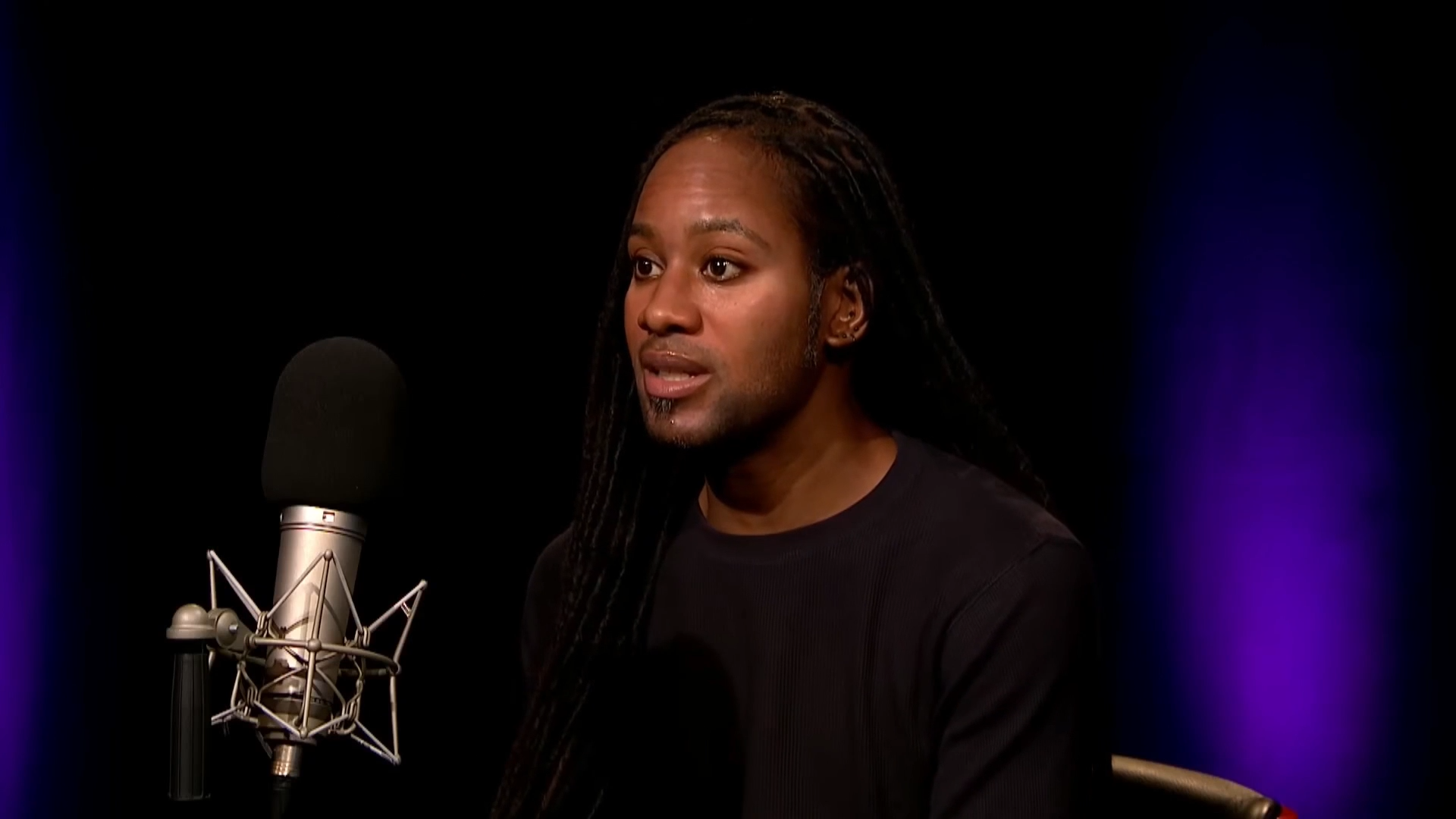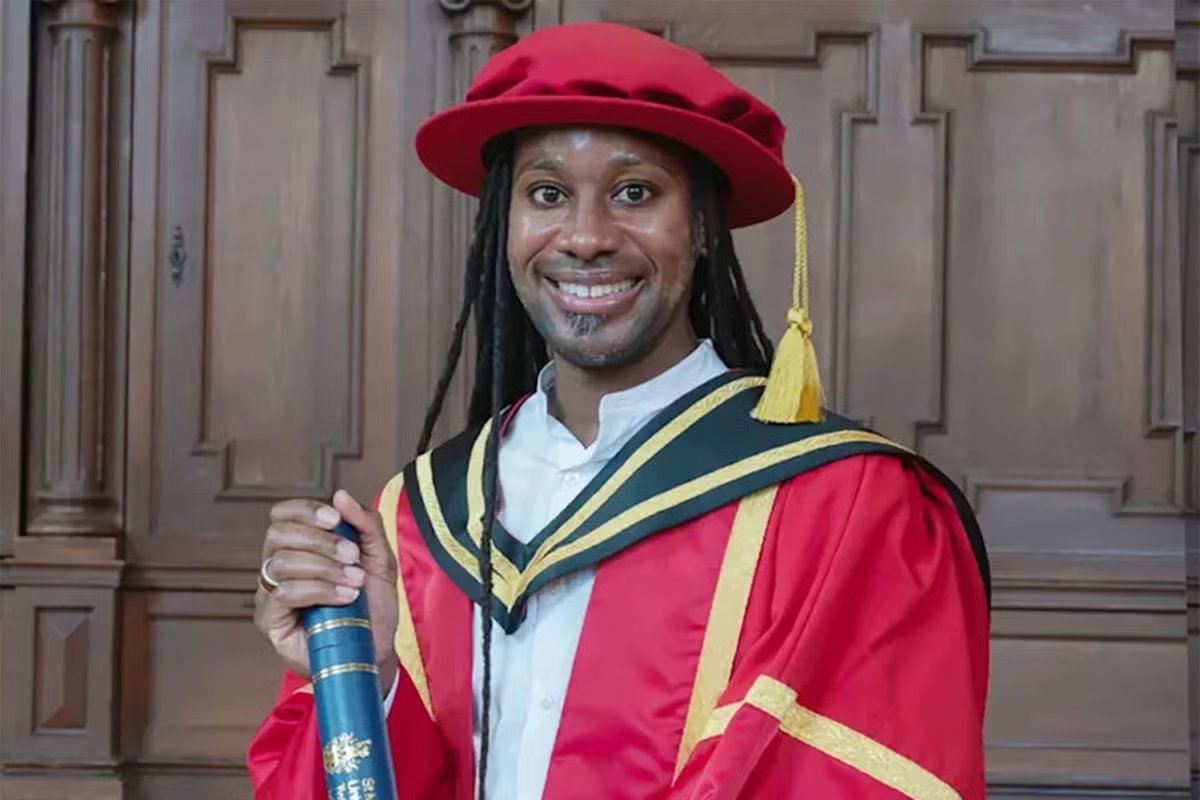
Jason Arday’s resignation from the University of Cambridge should not mark the end of the conversation. Whatever the outcome of the allegations surrounding the sociology professor, this episode has exposed something much bigger than the career of one academic. It highlights a looming shift in British higher education, where personal stories share the stage with scholarship as a measure of academic value. The shift carries serious, unintended consequences for black academics.
This did not happen overnight. It is the inevitable consequence of a systemic sea change. Over the past three decades, British universities have gradually become market-driven. The expansion of higher education, the introduction of tuition fees, the 2012 fee reforms and the rise of league tables have reshaped universities into institutions competing for students, research income and public attention. Universities still produce knowledge but they also have to sell themselves. Education has become something to market, and students are often treated as consumers choosing between competing brands.
This commercial pressure has changed how universities present their staff. Research still matters, of course. But academics are also expected to have stories that capture attention. University websites, media profiles and press releases often lead with biographies before discussing research. Stories of hardship, resilience and unlikely success have become part of higher education branding. The academic is no longer just a scholar but an integral part of the university’s public image.