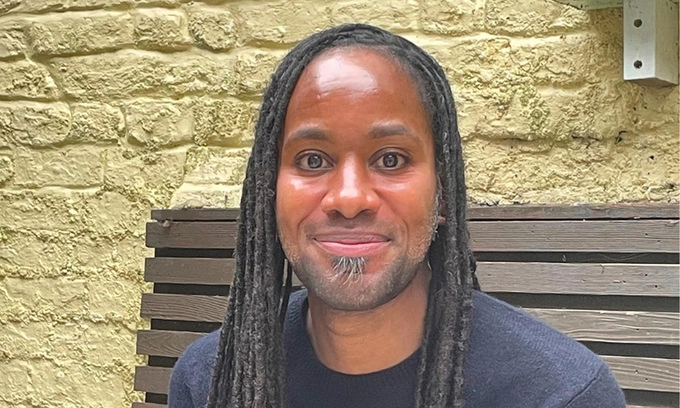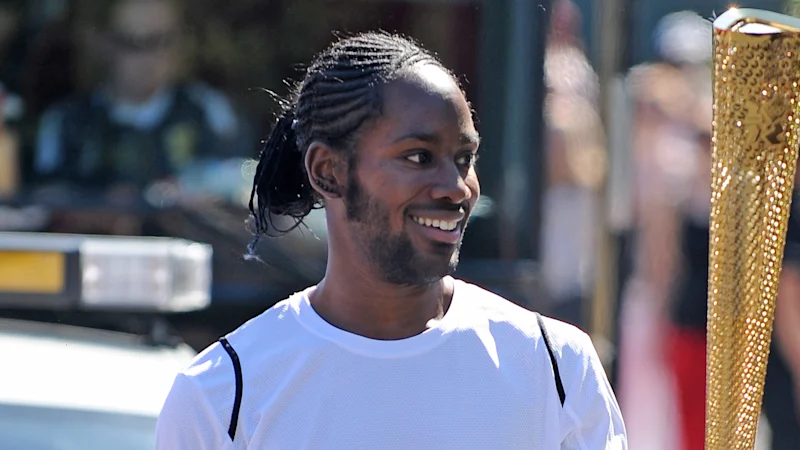
Public radio’s longest-running daily global news program.AboutContactDonateMeet the TeamPrivacyTerms of use©2026 The World from PRXPRX is a 501(c)(3) organization recognized by the IRS: #263347402.Questions raised over media scrutiny of Cambridge professor in UK before his deathThe death of Jason Arday, a Black professor at the University of Cambridge, has sparked a debate in Britain over the media scrutiny he faced in the weeks leading up to his death. Arday made history in 2023 when he became the youngest Black professor appointed to the prestigious university. But last month, he faced allegations of plagiarism, which he denied, and he resigned from his post in early August. Arday was found dead at his home in London on Friday. Now, his supporters are questioning the role of both the British media and Cambridge University. The World’s Europe Correspondent Orla Barry reports. The World's Global ClassroomAugust 19, 2026Updated: August 19, 20266:58Jason Arday was appointed Professor of Sociology of Education in the Faculty of Education at the University of Cambridge in 2023.When Jason Arday was appointed professor at the University of Cambridge three years ago, it made headlines even outside the United Kingdom. Arday made history as the youngest Black professor hired by the prestigious university in 2023.But over the past month, his appointment has drawn intense media scrutiny in Britain. In July, he was accused of serial fabrication and plagiarism. Earlier this month, he resigned from his post, and on August 14, Arday was found dead at his London home.Now, his supporters say Cambridge and the British media have a lot of questions to answer. Some of those earliest accusations of plagiarism came from US academic Nathan Cofnas. “Look, there are pages and pages of pages of verbatim copied text. There’s no norm in academia according to which this is remotely acceptable,” Cofnas said on Times Radio in London over a week ago.Cofnas was dismissed from one of Cambridge’s own colleges two years ago after he wrote a blog post saying that under a true meritocracy, Black people would “disappear from almost all high-profile positions outside of sports and entertainment.”“There is a new and very ugly narrative that the reason why the white working class is suffering economically is because Black people are being boosted beyond their ability by some woke DEI initiative,” Jolyon Maugham, a British barrister and founder of the Good Law Project, told The World. Arday posted his letter of resignation on the project’s website on August 5. Even then, Maugham said he was worried about him.“On the Tuesday of that week, I was checking in with him,” Maugham recalled. “Are you alone, Jason, or are you with people you are very close to who love you? And I tried to persuade him to come out with me because I was so, so worried about his mental state.”Maugham said several media organizations were asked to dial back on their reporting after Arday resigned.“People were warning publicly, strongly, clearly, unequivocally that he was a suicide risk,” he said. “I do not understand how newspapers across the right and the left of the political spectrum felt it was appropriate to continue carrying the stories that they did.”A person holds up a sign during a vigil organized by Stand Up to Racism in memory of late University of Cambridge professor Jason Arday at Trafalgar Square in London, Monday, Aug. 17, 2026. Kirsty Wigglesworth/APJason Arday’s rise to the role of youngest Black professor at Cambridge was impressive. According to his own account, he was diagnosed with autism at a young age and was non-verbal for most of his childhood.Earlier this month, Arday admitted to errors in his early work, which he attributed to his neurodivergence. But he denied plagiarism. He’d made several other claims though, that raised eyebrows. He once said he had run 600 miles in 6 days and that he had appeared in a well-known British TV documentary series filmed before he was even born. Femi Owolade, an associate fellow of the Royal Historical Society who knew Arday professionally, says the young Cambridge professor had questions to answer … but his resignation should have closed the book on the scrutiny. “His resignation can be interpreted as acceptance of plagiarism or guilt. I mean, I can’t speak for him now, but I think his resignation should have put the matter to bed,” Owolade said.The University of Cambridge, Owolade said, still has questions to answer. Like what sort of support did it give to Arday, knowing he was neurodivergent? And why was Arday’s background such a big part of the story when he was first appointed professor three years ago?“One of the biggest tragedies of the story is that it’s exposed a problem on both sides of the debate on race at universities: Black academics should not be reduced to their personal stories, and they should not be treated as symbols of diversity,” he said.The University of Cambridge said this week it had provided Arday with mental health support even after he resigned. Just 1% of Cambridge professors are Black, and Gus John, a professor and an equality and human rights campaigner, says they must be feeling under pressure, too.“So, those academics now feel that they’re under the microscope,” John said. “If a white person were to be in Jason Arday’s position, that person would be treated as a white eccentric, a white fraud, a white liar, a white whatever. But their conduct would never be attributed to or assumed to represent the conduct of the group to which they belong.”So many media debates and articles this past month about Arday being a DEI hire make others feel targeted, too, he said. On Monday, tens of thousands of people gathered in London’s Trafalgar Square for a vigil honoring Jason Arday. Among them was Simon Woolley, principal of Homerton College at Cambridge and one of Arday’s mentors.People gesture as they attend a vigil held by Stand Up to Racism, in memory of late University of Cambridge professor Jason Arday, in Trafalgar Square in London, Monday, Aug. 17, 2026. Kirsty Wigglesworth/AP“This time last week, I was with Jason because we knew Jason was suffering,” Woolley said. “We told him he was loved, but he said, ‘They’re hounding me to death, and I cannot see a way out.” There needs to be some reckoning. There needs to be some justice.’”This week, the Good Law Project launched a petition calling for an inquiry into the British media’s coverage of Jason Arday in the weeks leading up to his death. More than 100,000 people have signed it so far.
Questions raised over media scrutiny of Cambridge professor in UK before his death - The World from PRX
The death of Jason Arday, a Black professor at the University of Cambridge, has sparked a debate in Britain over the media scrutiny he faced in the weeks leading up to his death. Arday made history in 2023 when he became the youngest Black professor appointed to the prestigious university. But last month, he faced allegations of plagiarism, which he denied, and he resigned from his post in early August. Arday was found dead at his home in London on Friday. Now, his supporters are questioning the role of both the British media and Cambridge University. The World’s Europe Correspondent Orla Barry reports.
1,089 words~5 min read