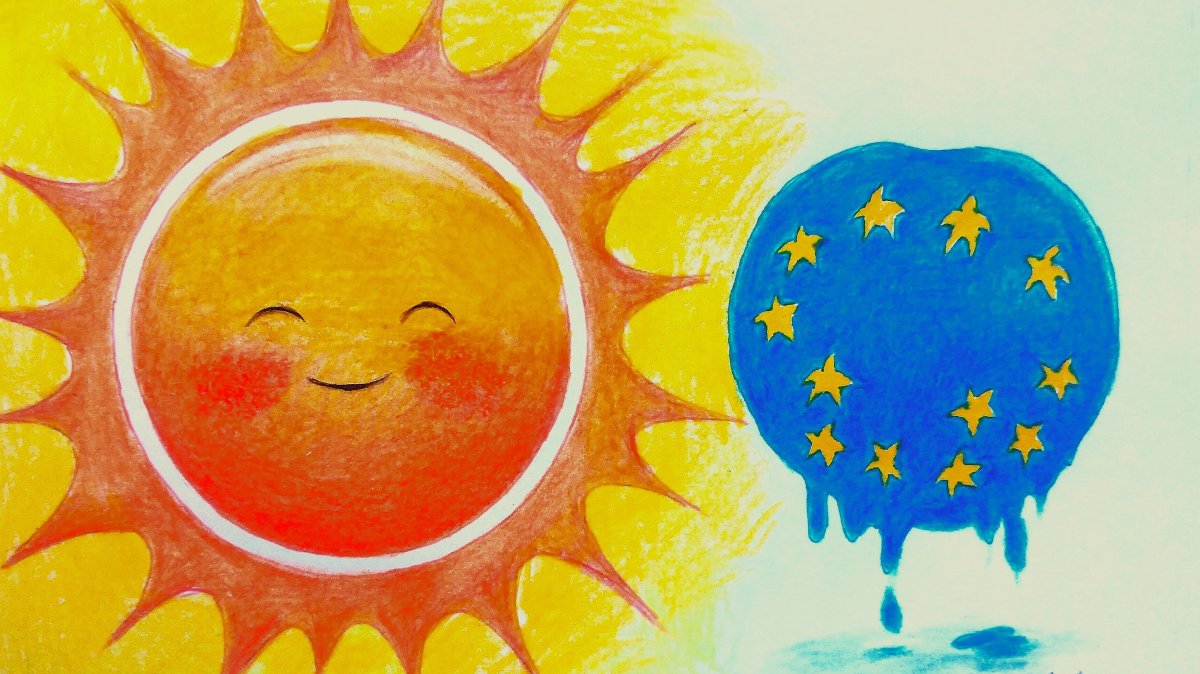
Repeated record-breaking heat waves cooked the European continent this summer, delivering the region’s hottest June on record. A simultaneous, though possibly related, drought shriveled rivers to record lows. In addition to their impact on public health, the dual crises put pressure on Europe’s energy system: Wind power struggled under stagnant conditions created by heat waves, and “thermal” power plants — nuclear, gas, and coal plants — had to reduce their output as European waterways warmed and dried, taking away water used for their cooling systems.
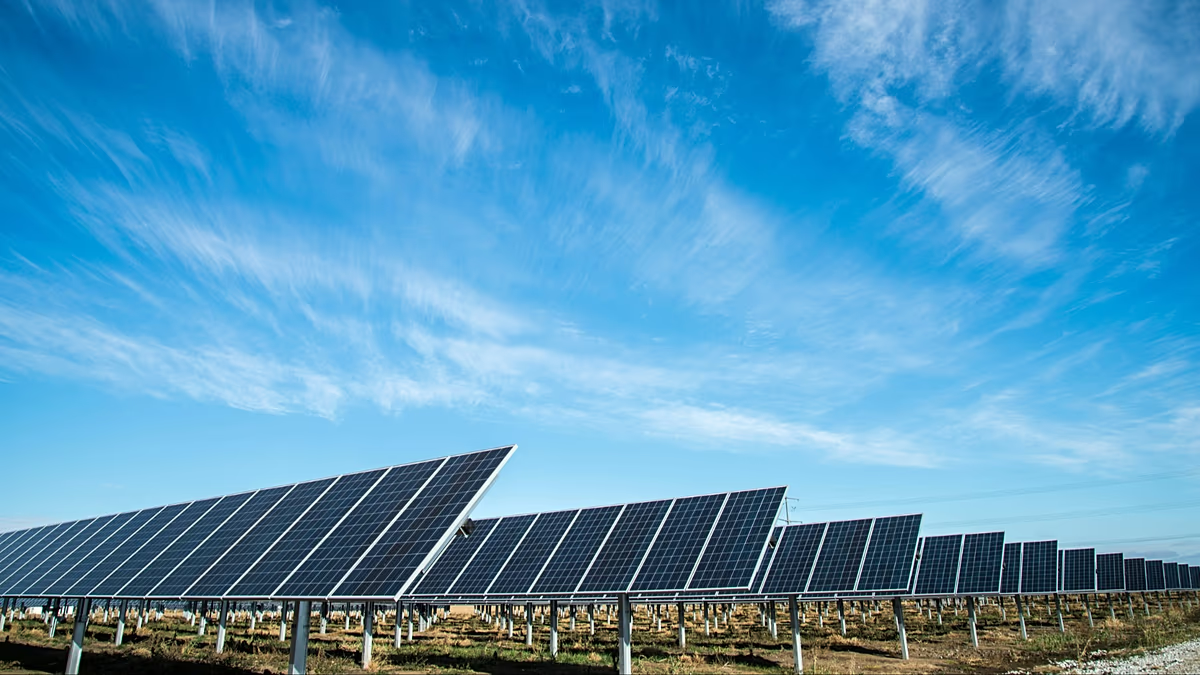
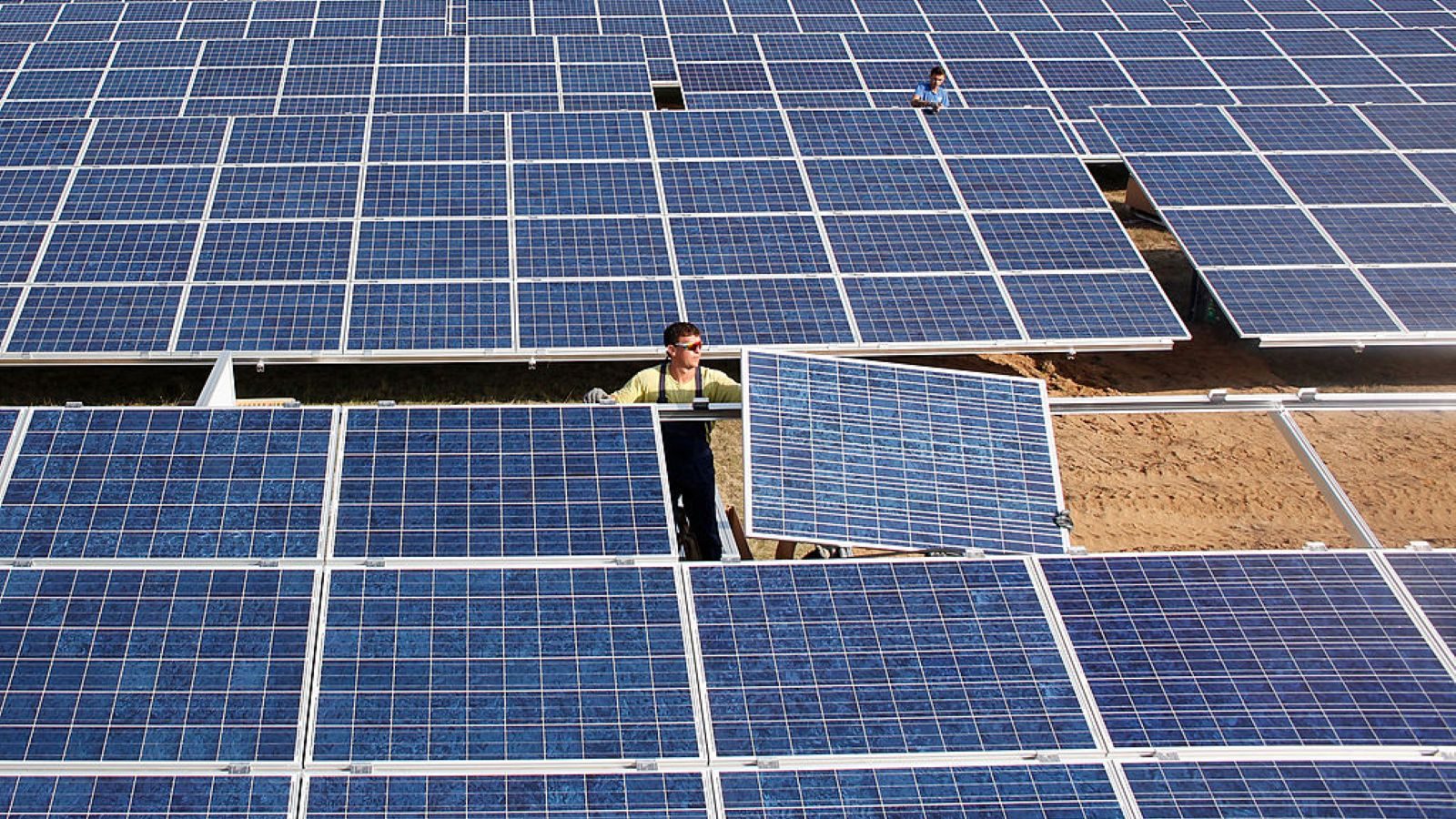
Solar power proved the only major energy source that performed better than normal during Europe’s summer of extremes, experts found. When paired with batteries, it helped supply thousands of AC units during historic hot conditions.
Scientists are still trying to understand why so many recurring heat waves materialized this summer, but studies have found that individual heat events are more likely and more intense because of climate change. The intensity of the June heat wave that scorched Western Europe was roughly 200 times more likely in today’s fossil fuel-warmed climate than it would have been two decades ago, one study found. As the continent continues to warm and Europeans install more cooling systems to cope — just 23 percent of households currently have access to or use air conditioning — experts say this summer provides lessons for the future.