Get the latest news and updates from Dawn
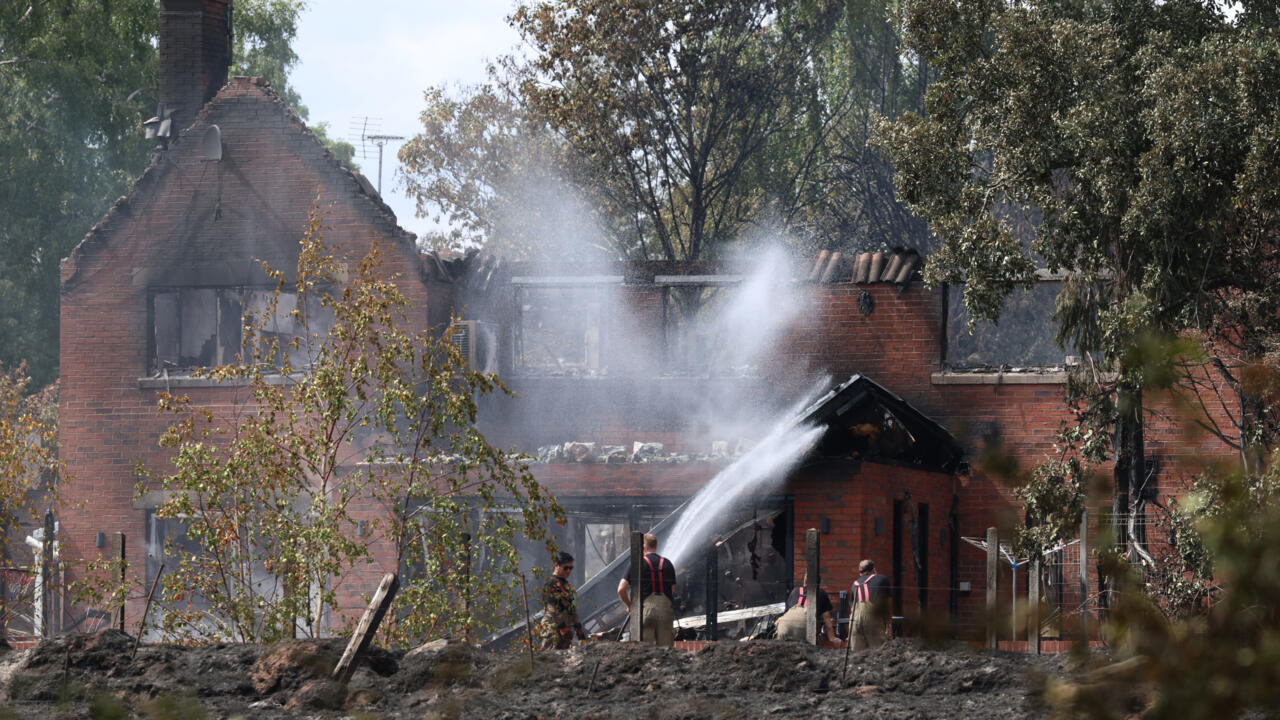
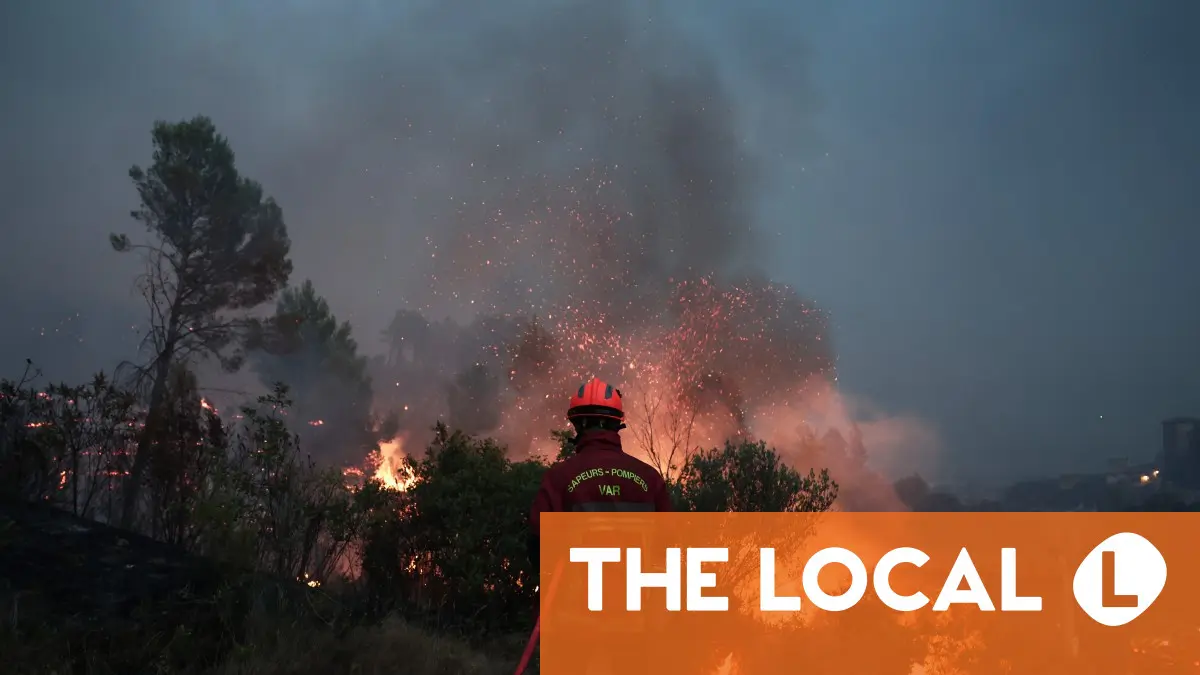
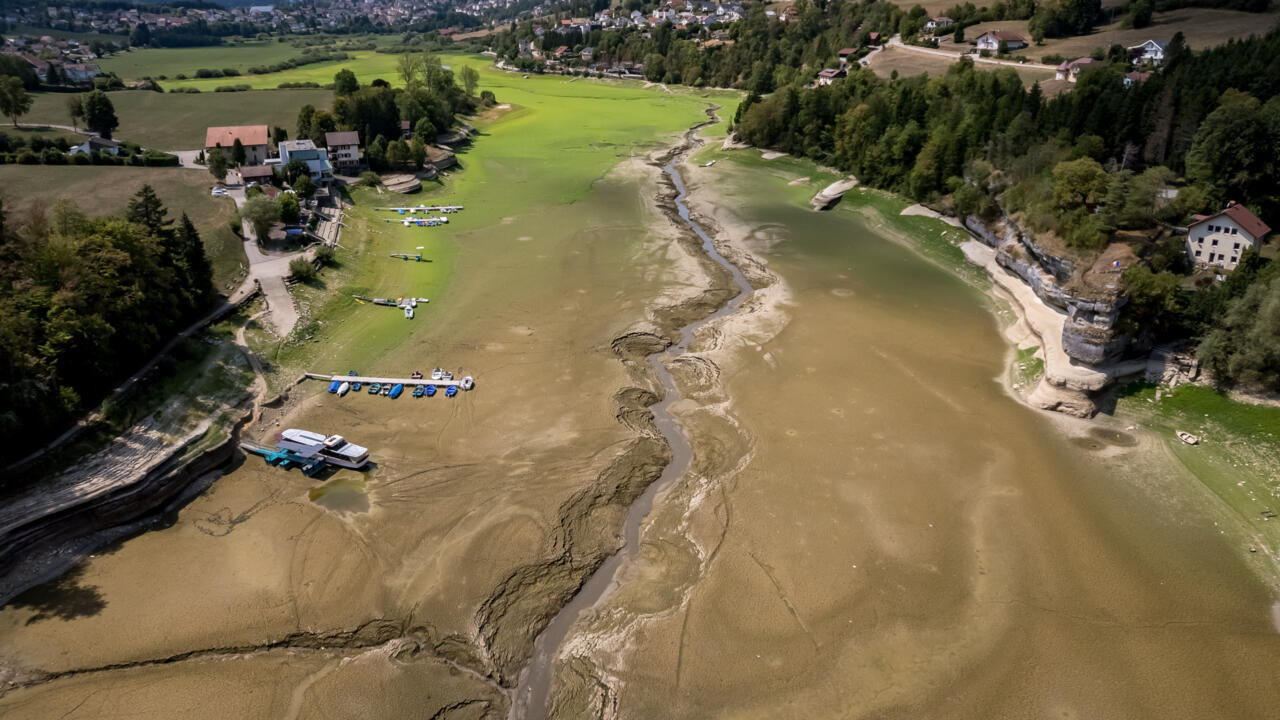
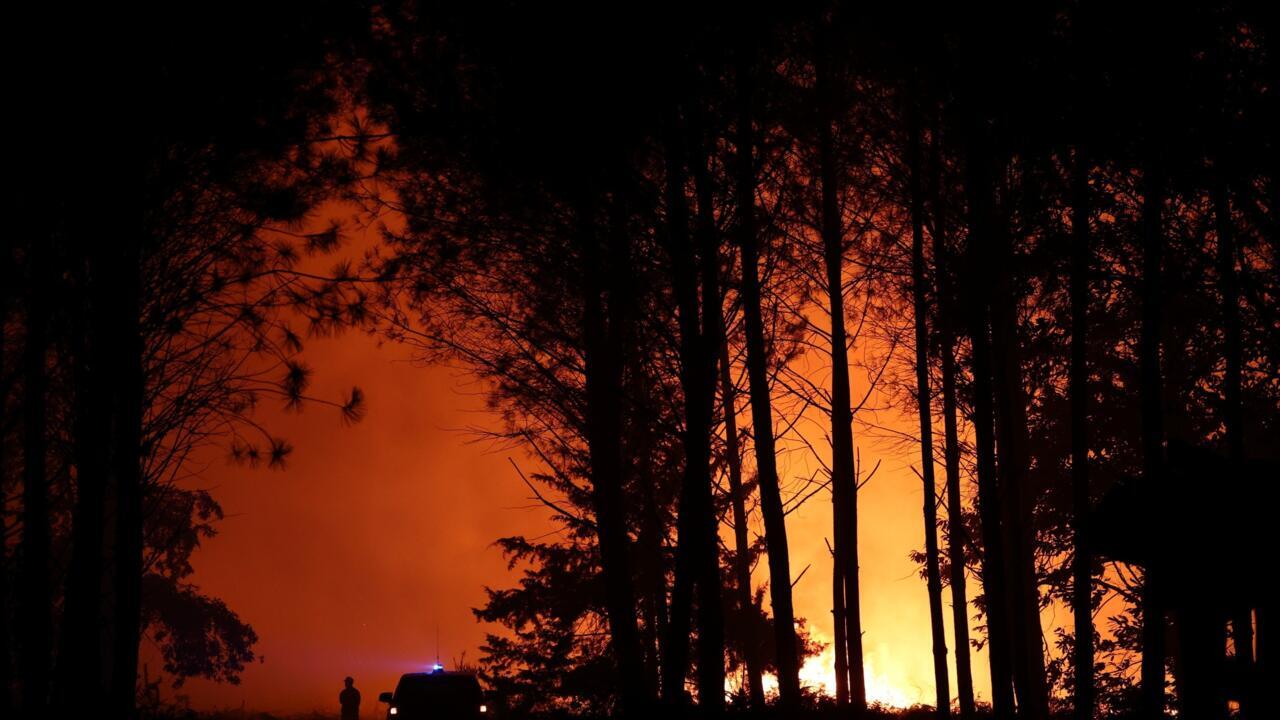
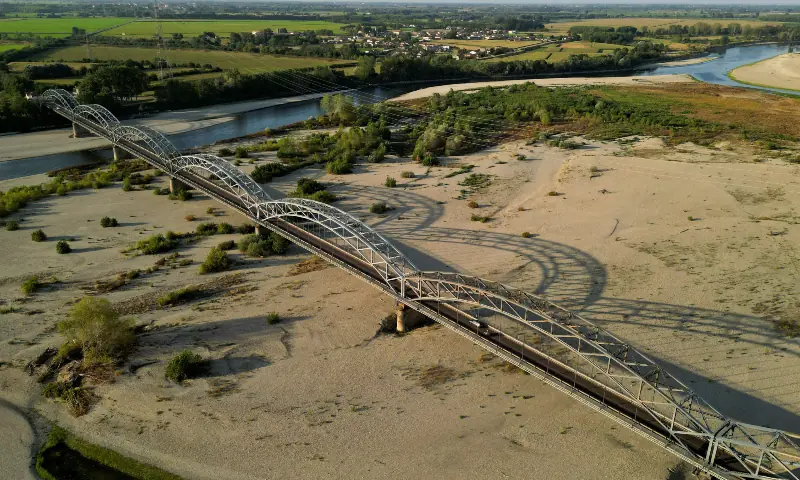
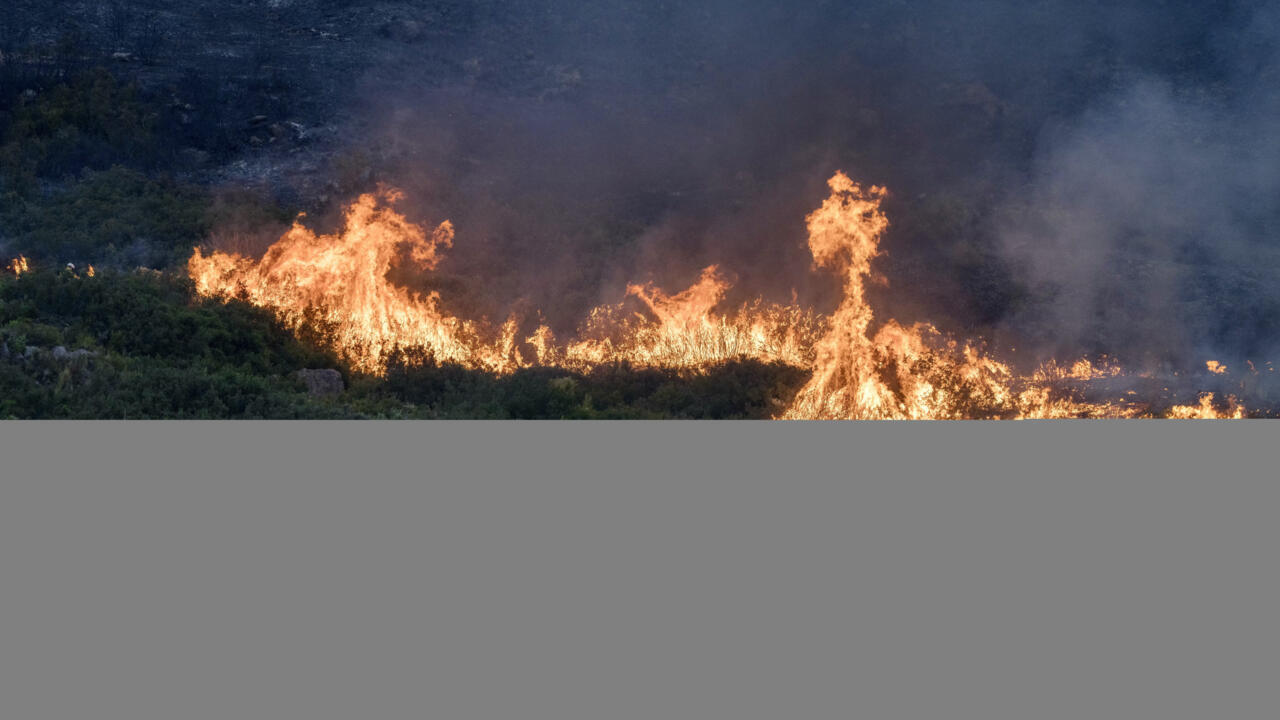
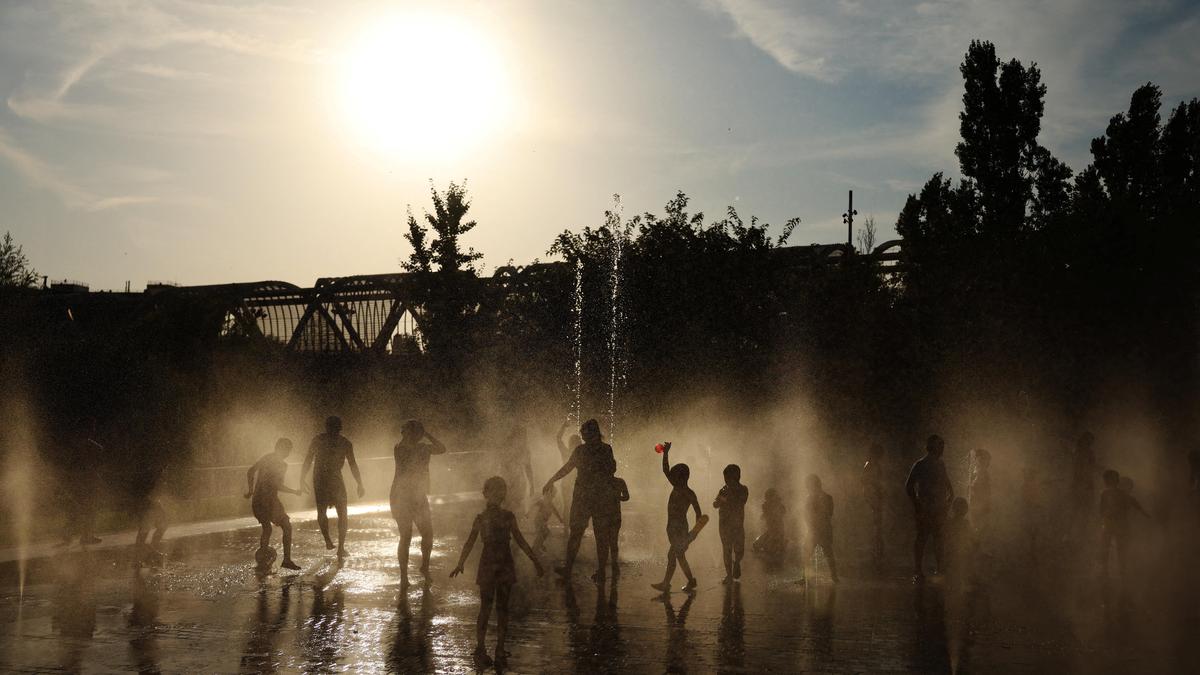
EUROPE’S summer has come to mirror the warnings climate scientists have issued for years. Wildfires have swept through France, Greece, Spain, Croatia and Germany, while repeated heatwaves have strained water supplies and power systems, damaged crops and forced evacuations. Western Europe recorded its hottest June-July period on record, while Britain entered a fifth heatwave this summer. Across the Atlantic, Canada and the US have also faced fires, smoke, flooding and extreme heat. Such events were once regarded as freak weather. And now, the World Meteorological Organisation warns that extreme heat is becoming more frequent, more intense and longer-lasting as the planet warms. For Pakistan, this is all too familiar. This country has long lived on the front line of climate change despite contributing less than 1pc of global greenhouse-gas emissions. The catastrophic floods of 2022 caused more than $30bn in damage and economic losses, while recurring heatwaves, glacial melt, erratic monsoons and drought continue to punish people who did little to create the crisis. There should be no satisfaction in seeing richer societies suffer. But perhaps experiencing climate disruption at home will make governments understand the urgency felt in countries such as Pakistan.