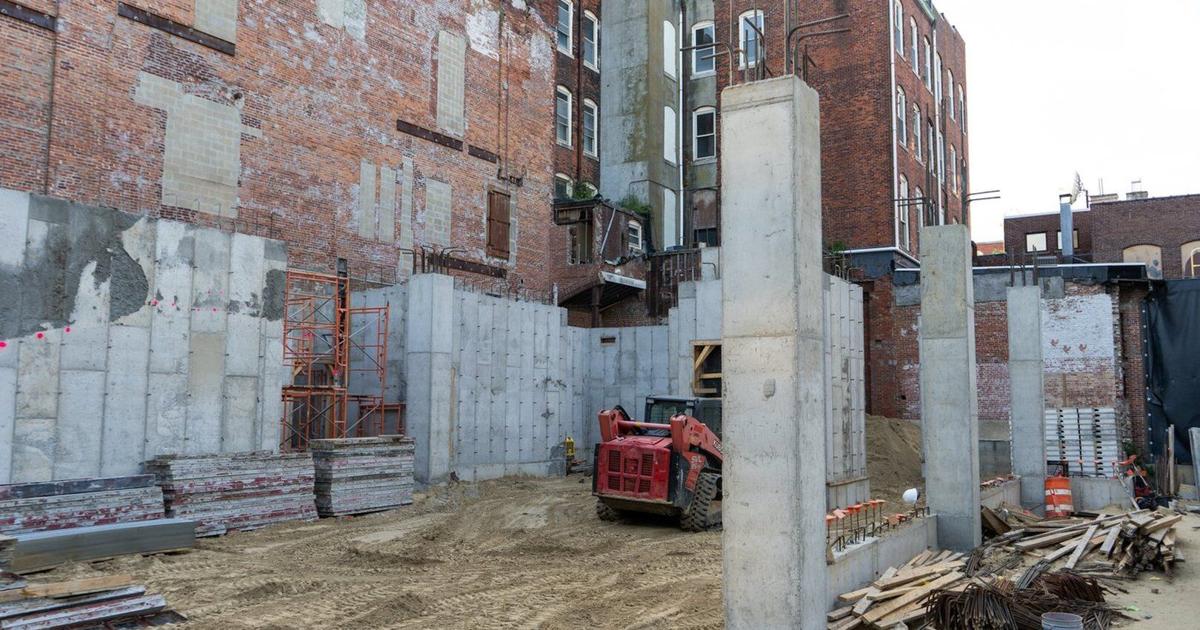
Oregon’s spending on low-income housing has exploded in the past five years. The state has given developers an unprecedented $1.4 billion, and the cost of developing each apartment has nearly doubled, to $540,000. Dozens of projects are lined up for an additional $850 million in future state funding. Federal tax credits, which the state oversees, will bring even more money to bear.
Yet one thing has remained constant: The public isn’t allowed to see the details of how all these dollars are being spent.
Oregon is one of the only states in the country with a carve-out in its public records law that prevents disclosing the financial details of subsidized housing projects, thwarting researchers and journalists who have tried to examine their costs.
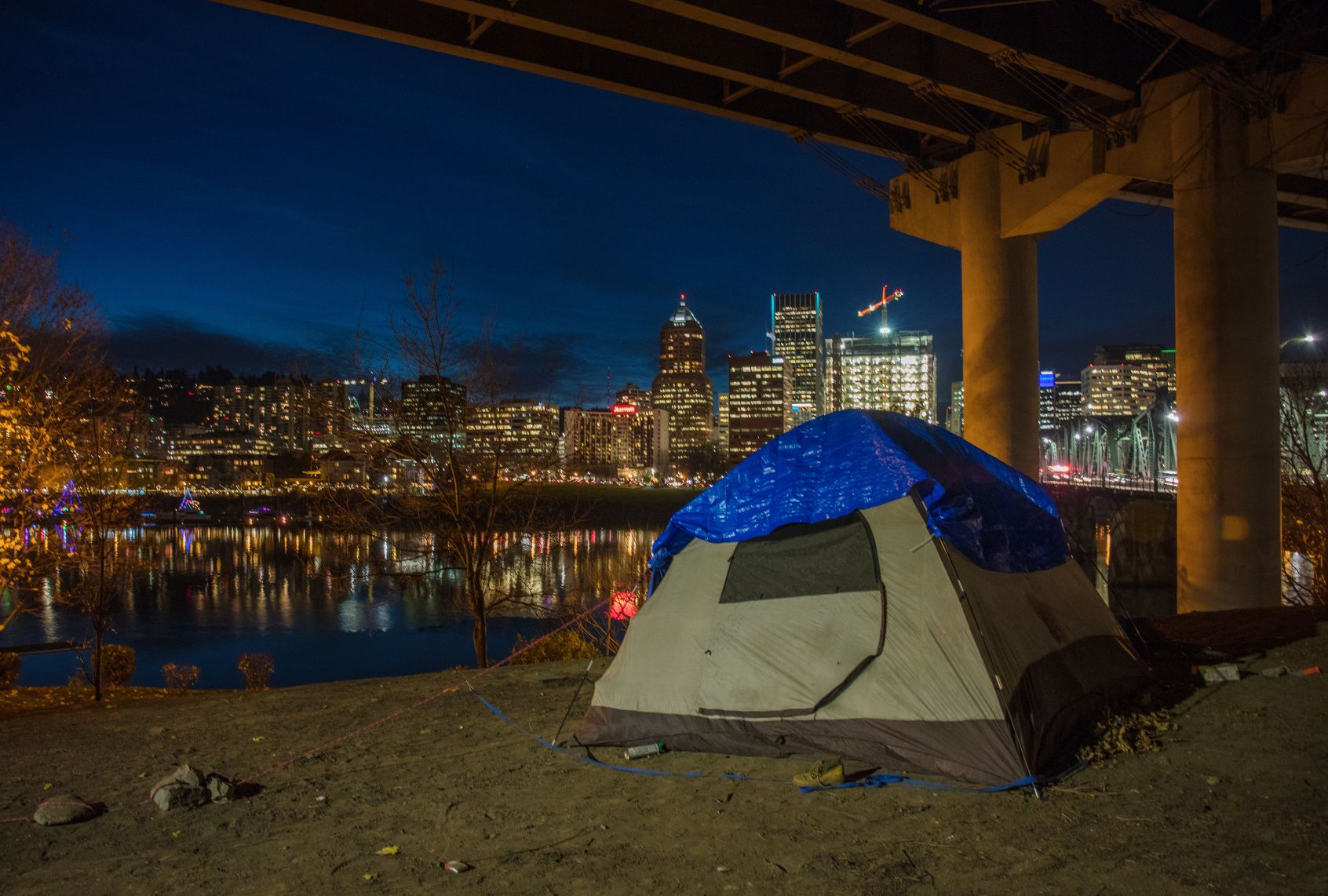
The issue is especially pressing in the Pacific Northwest, where leaders have tied the lack of affordable housing to the region’s dire homelessness crisis. Understanding and controlling the cost of construction could make it possible, with the same amount of money, to either build more rent-restricted apartments or to discount rents more steeply.
Margaret Van Vliet, a former director of Oregon’s state housing agency, told ProPublica that lawmakers should revisit the exemption. Despite all the state’s spending on housing, Oregon’s homeless population continues to grow.