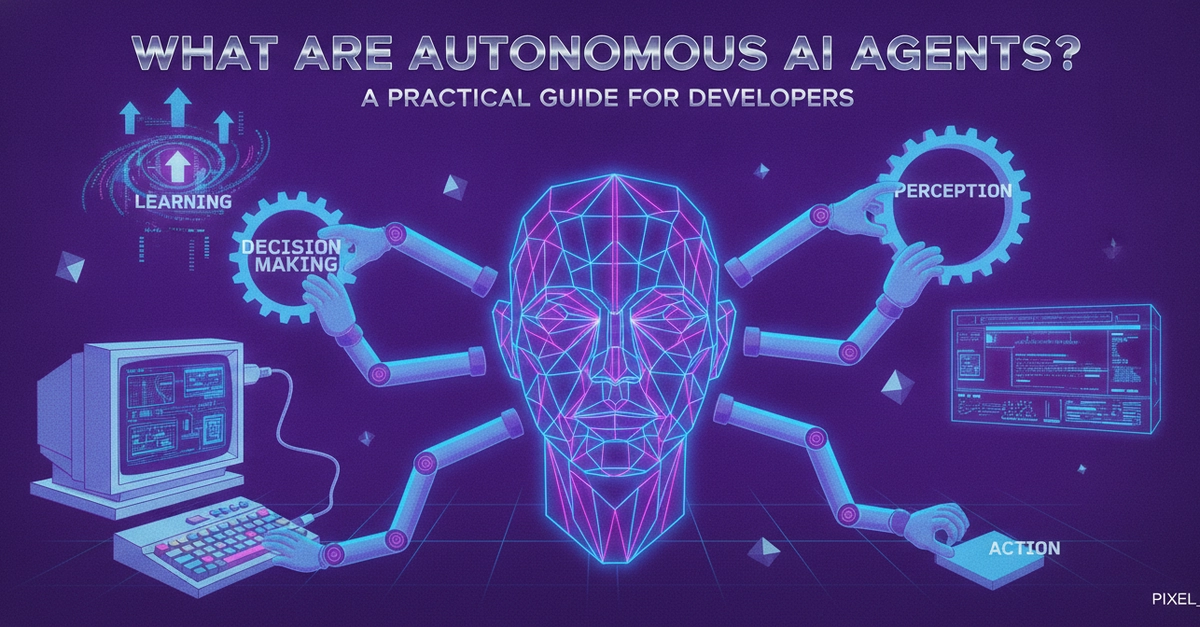
Autonomous AI agents become useful when they can do more than generate text. A production agent may interpret an objective, retrieve approved context, choose tools, execute several steps, and return evidence of what it changed.
That capability also expands the security boundary. The question is no longer only, “Which model should we use?” It is also, “What can the agent access, which actions can it perform, where is data processed, and how do we stop it safely?”
This article outlines a practical architecture for teams building private, business-focused agent workflows.
1. Separate reasoning from authority
An agent may be capable of proposing many actions without being authorised to perform all of them.