A practical deep dive into how AI agents perceive, reason, and act autonomously — from classical architectures to modern LLM-based systems.
Two months ago, I was sitting in a co-working space in Dubai, debugging a customer-service pipeline for a fintech client. The system was straightforward: an LLM received a user query, generated a response, and returned it. Simple request-response. The client looked over my shoulder and asked, "Can it check the user's account balance, verify their KYC status, and then decide whether to escalate to a human agent — all on its own, without a separate rule for each step?"
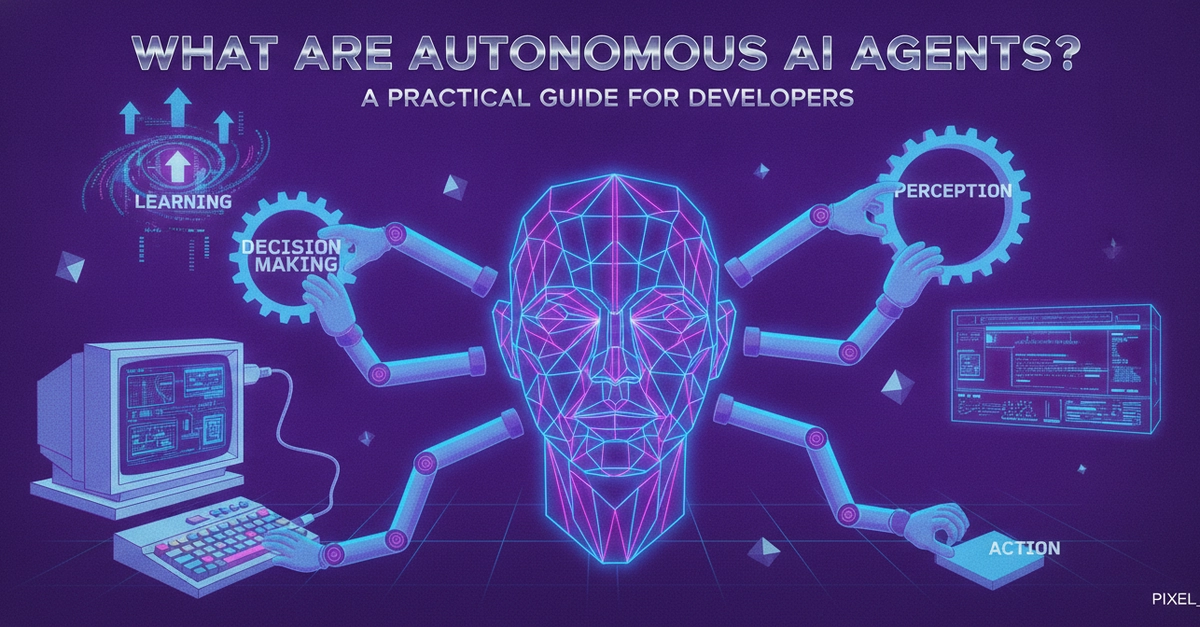
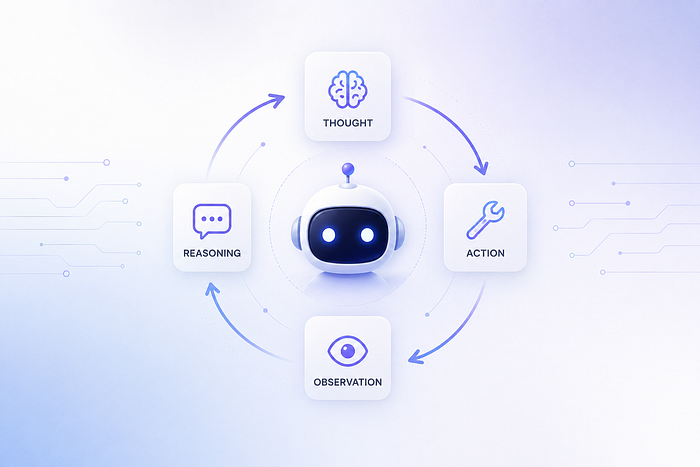
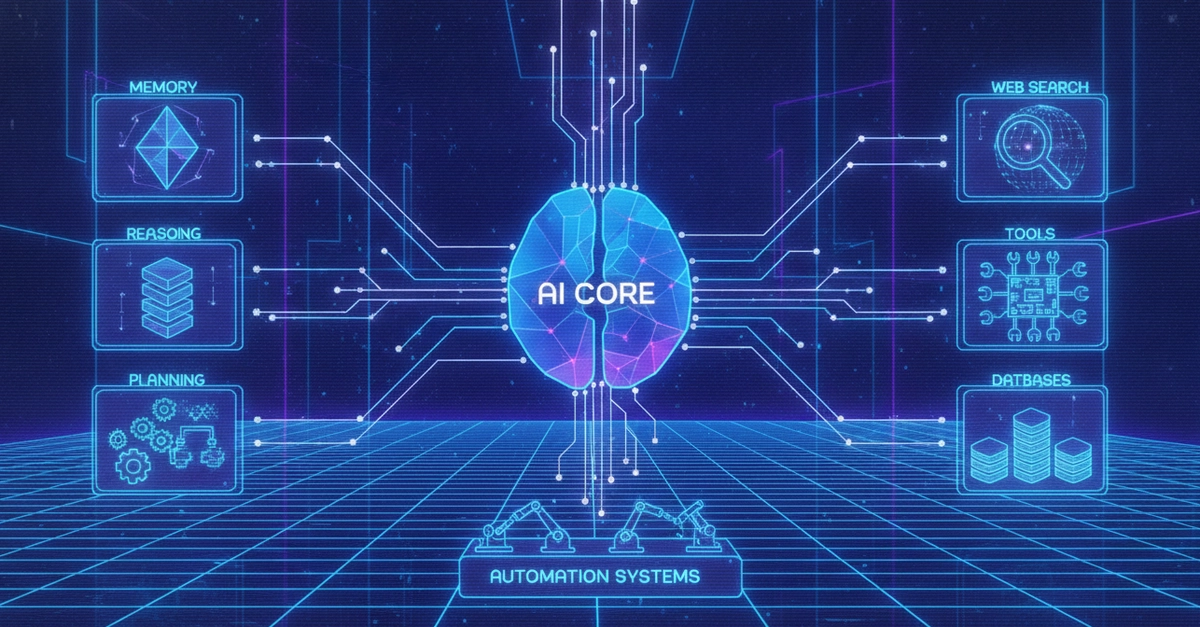
I paused. What he was describing was not a chatbot. It was not a retrieval-augmented generation pipeline. It was not a fine-tuned language model. He was describing an AI agent — a system that perceives its environment, reasons about what to do, and takes autonomous action to achieve a goal.
That question consumed the better part of six weeks. I rebuilt his entire pipeline from scratch. In this guide, I will walk you through everything I learned — not the marketing version, but the working version: what agents actually are, how they are built, where they fail, and when you should not use one at all.