Imagine you’re building a personal research assistant. Its job is to ingest hundreds of academic PDFs, learn your unique writing style, and eventually draft comprehensive reports for you.
When you first launch it, you connect it to a bleeding-edge cloud model like Claude 3.5 Sonnet or GPT-4o via OpenRouter. It works beautifully. But after a month of heavy use, your API bill arrives—and it looks like a mortgage payment.
You decide to pivot. You want to move the heavy, repetitive daily query load to a local, quantized Llama 3 checkpoint running on a spare GPU in your office. But there is a catch: you don’t want your agent to lose its "soul." You want it to retain its persistent memory—the facts it has painstakingly learned about your project preferences, your past instructions, and your style—across this massive hardware migration. Furthermore, you want it to be smart enough to autonomously route simple tasks to your cheap local model while reserving the expensive cloud model for complex, high-stakes reasoning.
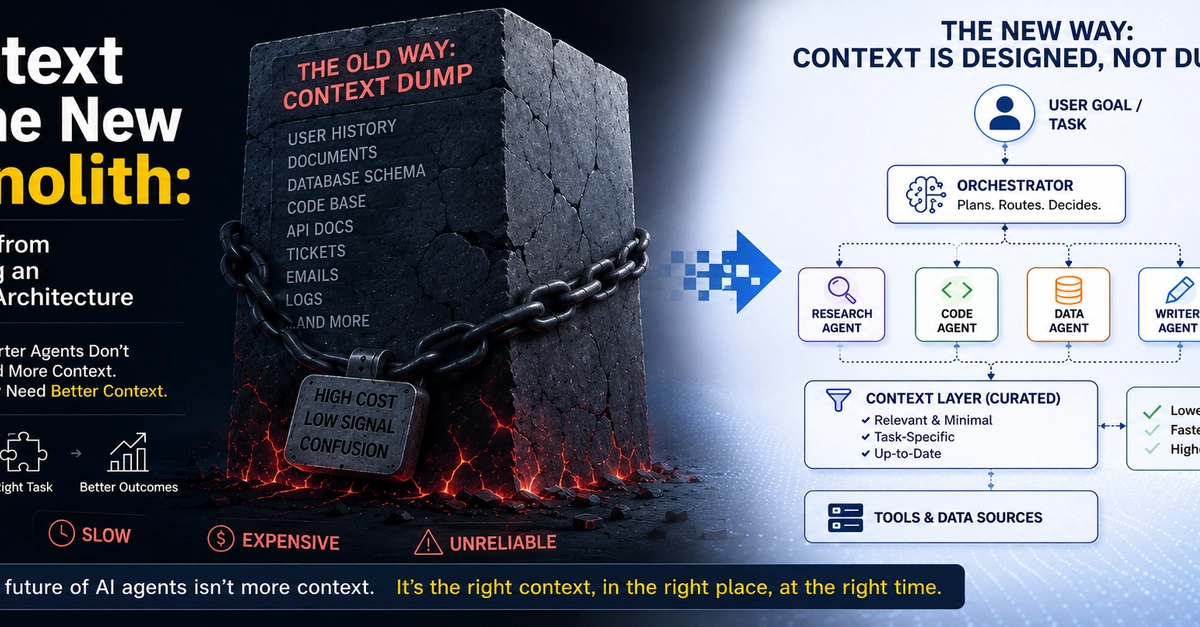
This is the exact point where most naive AI agent implementations break. They fail because they are built as monoliths, tightly coupled to a single LLM provider’s SDK.
To build truly resilient, cost-effective, and autonomous AI systems, we must decouple the agent's cognitive loop from the specific engine providing that cognition. We need to treat the LLM not as the application itself, but as a pluggable utility.