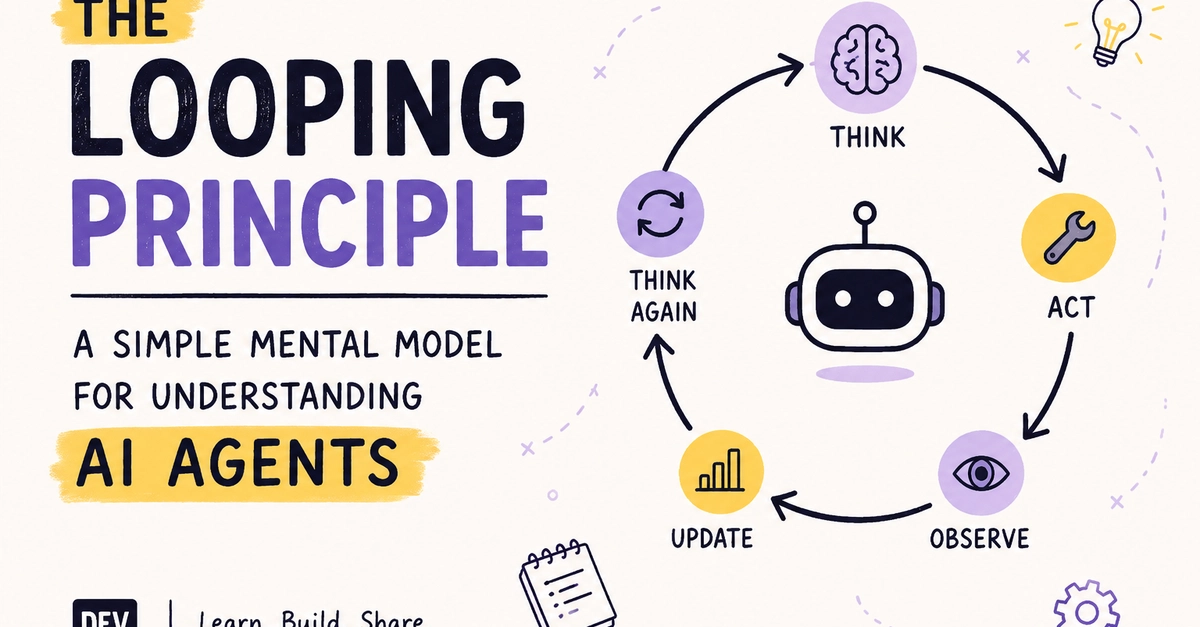
If you have built an AI agent recently, chances are your codebase started with a simple, elegant loop. You sent a prompt to an LLM, parsed its tool calls, executed those tools, appended the results to a list of messages, and looped back. It felt magical.
But then reality set in.
You wanted to add a vector database for long-term memory. Then you added a context compression engine to keep API costs down. Next came a dynamic skills system, a background review step, and custom toolkits for specific user tasks.
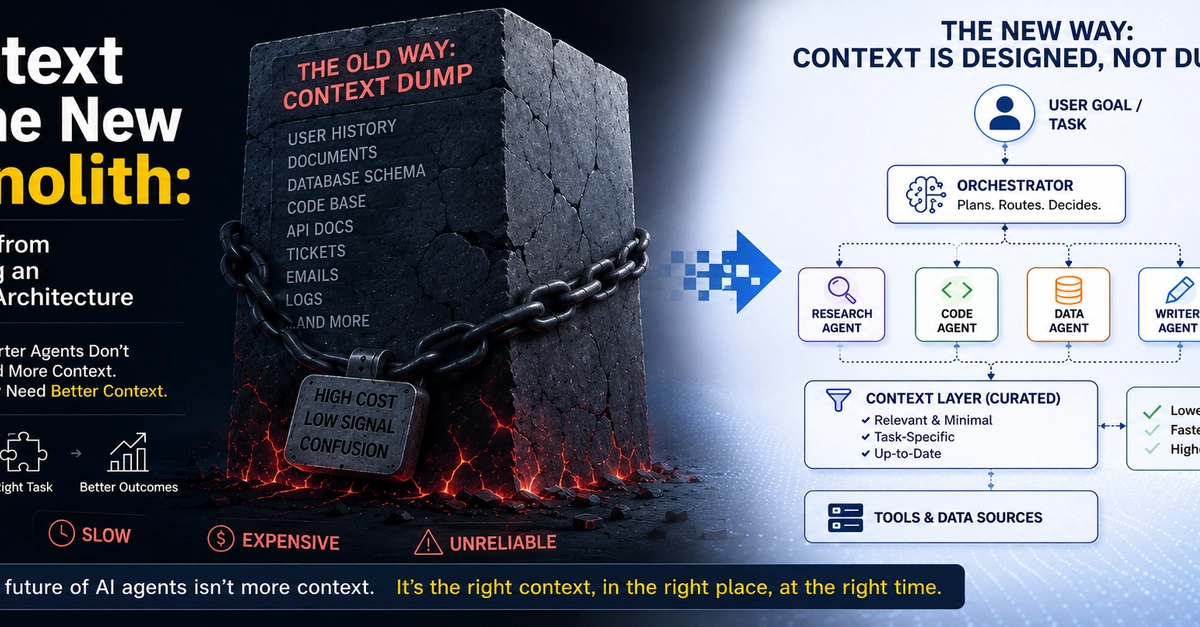
Suddenly, your elegant loop became a terrifying, deeply nested state machine. A bug in your memory retrieval logic started crashing the entire agent. Your agent initialization function grew to hundreds of lines of fragile setup code. A single change in how you parsed tool arguments broke unrelated downstream features.
You didn't build an intelligent system; you built a monolithic house of cards.