This article is part of Demystifying AI, a series of posts that (try to) disambiguate the jargon and myths surrounding AI.
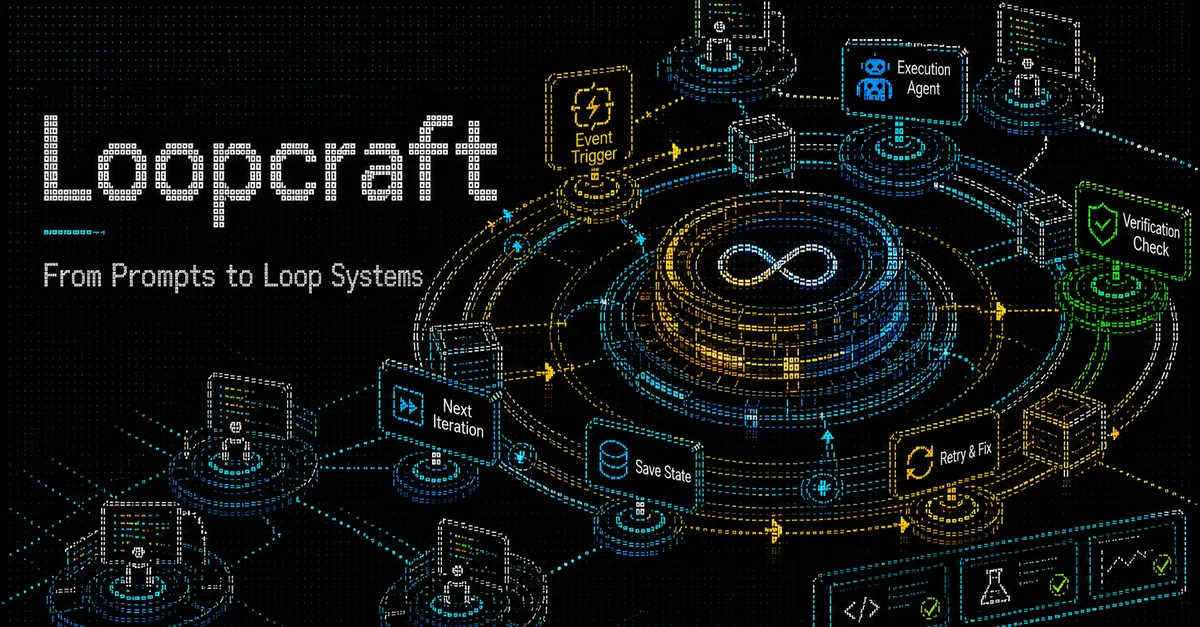
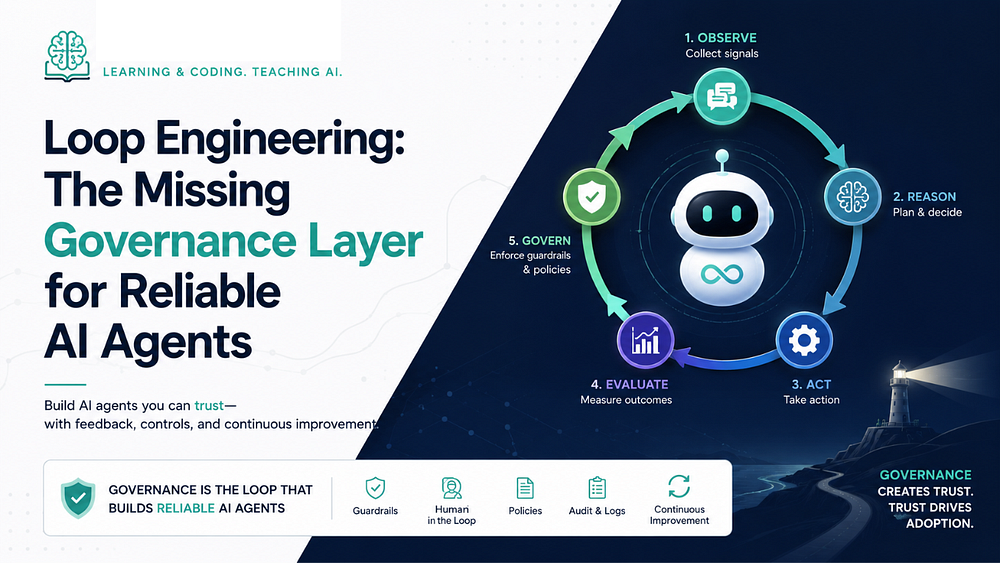
A shift is underway in how developers build applications with large language models (LLMs). OpenClaw creator Peter Steinberger recently accelerated this shift with a widely shared post stating that developers should stop prompting coding agents directly and focus instead on designing loops that prompt those agents.
Here’s your monthly reminder that you shouldn’t be prompting coding agents anymore.You should be designing loops that prompt your agents.— Peter Steinberger 🦞 (@steipete) June 7, 2026
This observation reflects a systemic change across AI engineering teams. Boris Cherny, who leads the Claude Code team at Anthropic, also validated this trend, noting that his role has shifted away from direct model prompting toward writing the external execution loops that coordinate model actions.
This movement is the continuation of an architectural lineage that began with ReAct-style reasoning loops in 2022, which combined reasoning and action steps to let models interact with external tools. This progressed through the open-source experiments of AutoGPT in 2023 and the emergence of the “Ralph loop” bash one-liner scripts in 2025.