Friday 21 August 2026 10:00 am
| Updated:
Friday 21 August 2026 9:49 am
What do Mourinho and Guardiola teach new crop of Premier League managers
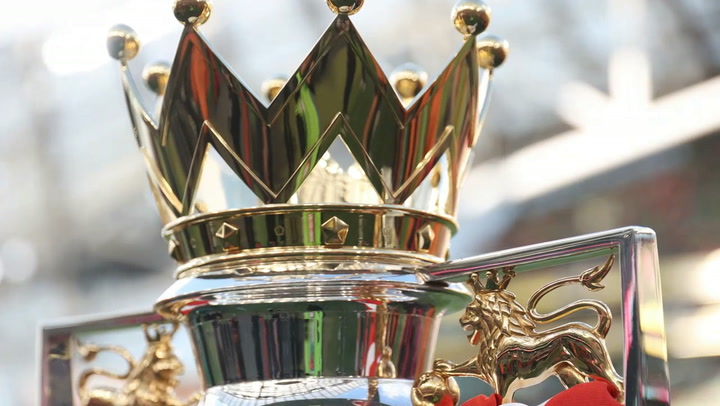
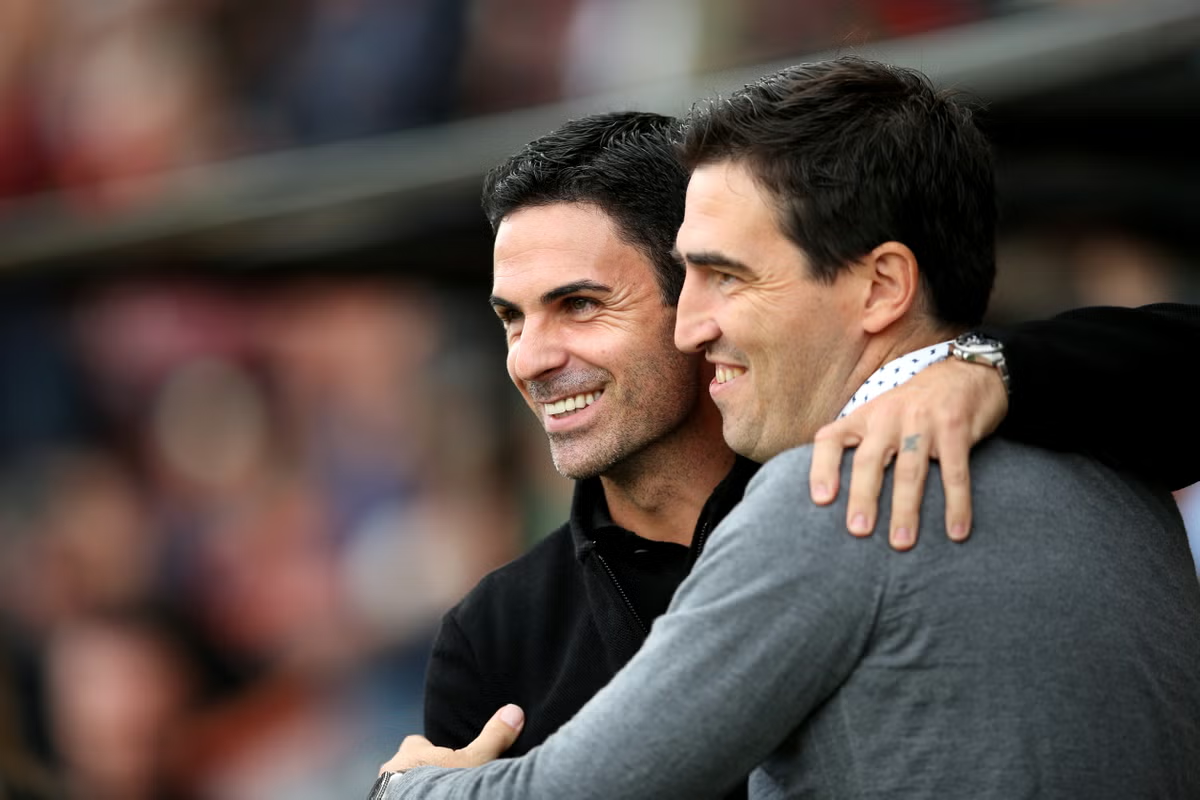
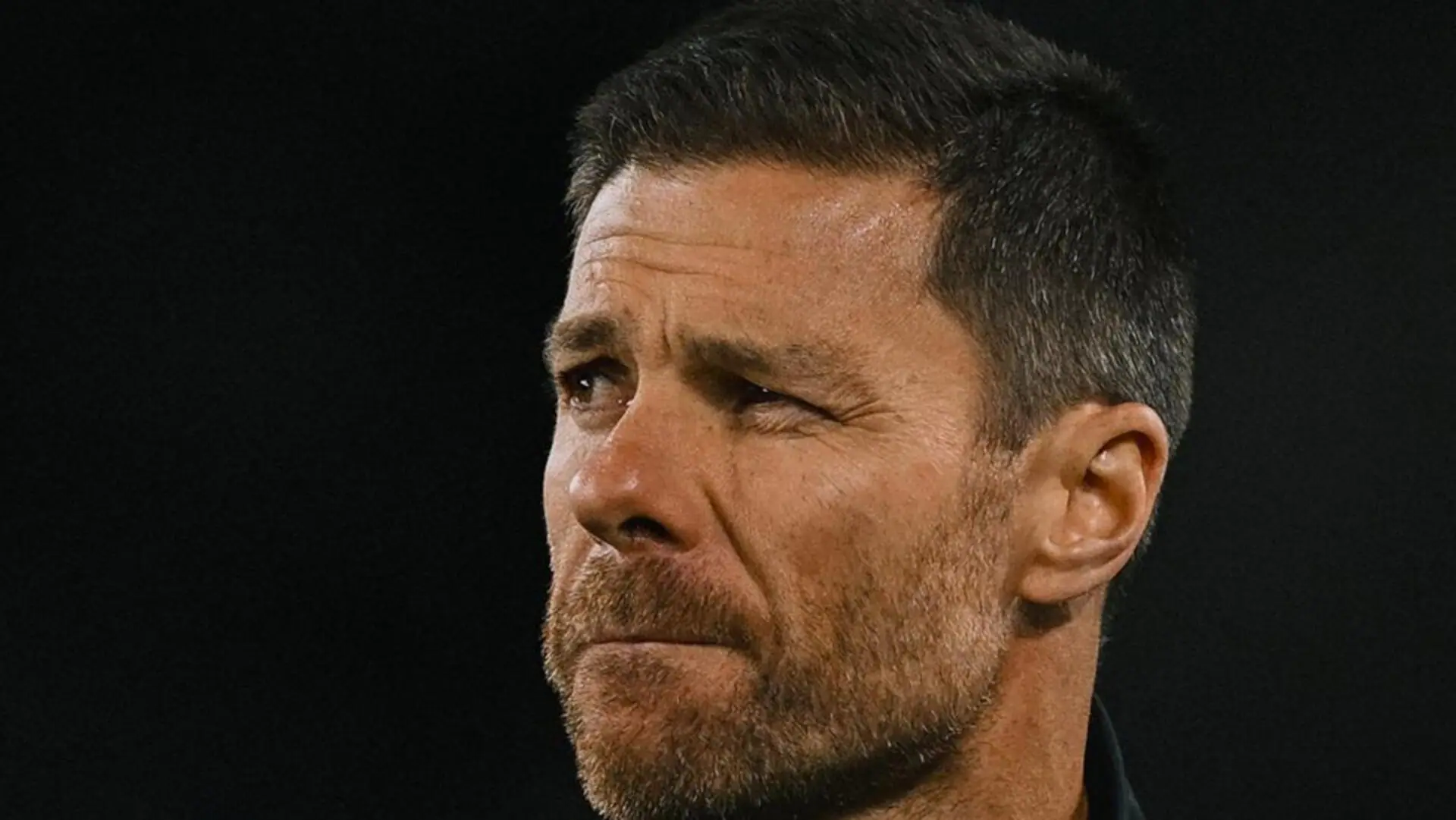
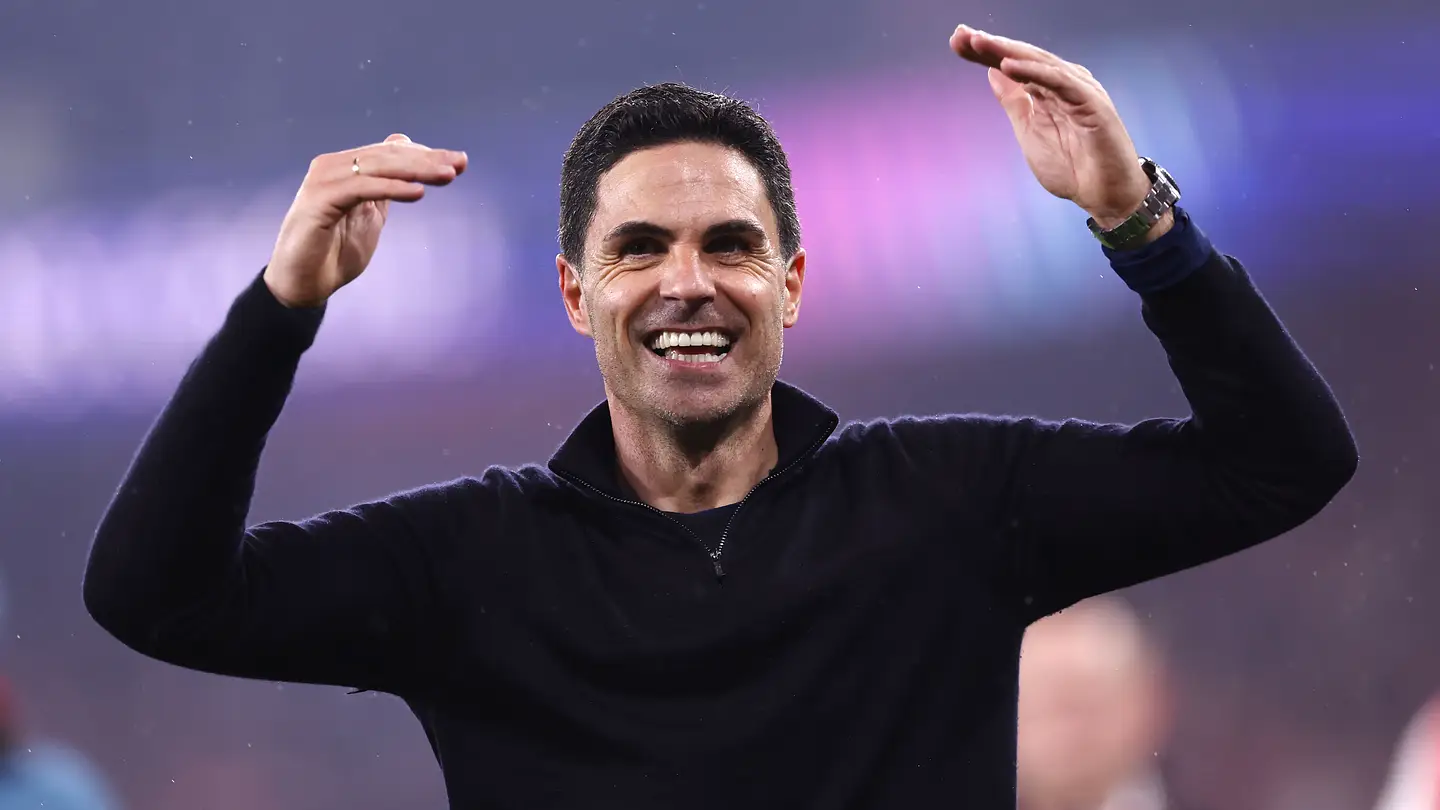
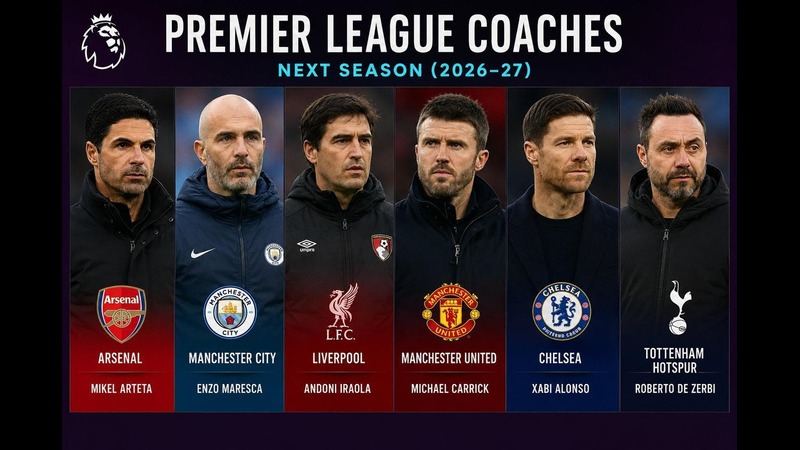
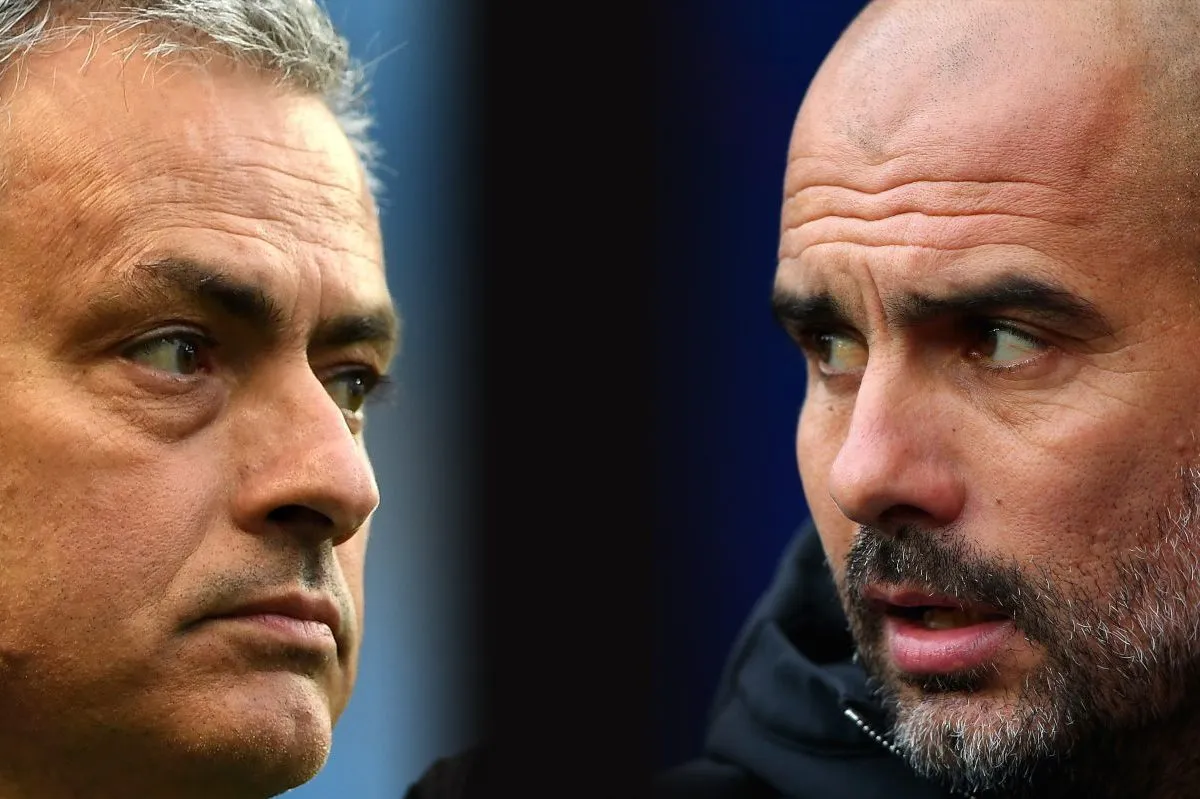
As the Premier League returns why can Pep Guardiola and Jose Mourinho still have influence, asks Dean Weller.Nine Premier League clubs will kick-off their season today with a new manager – a new record. But one that we shouldn’t be surprised by, given the level of instability in the league recently.As a Chelsea fan, I’ve witnessed the death of continuity first hand. The club has gone from a new manager every six years, to someone new in the dugout every six months.While that’s symptomatic of the modern game, where managers are often given less than ten games to implement a new direction, this quick fire-managerial change often backfires. As a business leader, it’s clear there are parallels in any sector around change, when it’s needed and how it impacts momentum.Movement doesn’t equal progressTell me if this sounds familiar. A club brings in a new manager, tactics, players and so-called philosophy, hoping to reverse its fortunes. But the players often struggle to adapt quickly enough, having to determine where they fit in a system while building a new relationship with the manager. And performance and results often flatline after an initial short-lived run of good results.It’s the same in business. Companies experiencing sustained pressure believe the best response is to switch strategies overnight. Done with good intentions – but practically speaking, a misstep.There’s plenty of ways these changes can manifest. Onboarding a fresh creative direction, rebranding or replacing members of the leadership team: all done in the name of taking “decisive action”. However, if everything is changed, you’re left with potential chaos and uncertainty.Good leaders evolve to understand the difference between necessary change, and disruption caused by someone looking to shake things up in the wrong way. It involves understanding the best decisions sometimes require incremental change. Figuring out the root cause, identifying if it’s strategic, organisational or determined by external factors, like market conditions – and using this to identify solutions.Manager change can save the seasonThat doesn’t mean dramatic change isn’t sometimes good.In football, the best managers have pulled it off. Look at the two documentaries out now about Jose Mourinho and Pep Guardiola. Both have cemented their positions on the Mount Rushmore of managers, by dealing with pressure from fans and boards, as well as player egos – all whilst delivering results with unique styles.Change done by the right leader can bring in width and depth. This can be exactly what an organisation gone stale needs, because it forces everyone to look differently.It can feel like shedding the skin of the company to reinvigorate thinking, or as I call it, pulling a Crazy Ivan (an old Soviet term for when a submarine suddenly zig zags to avoid detection).Fresh eyes and deep tactical change can often work. But only as long as leaders motivate through change to give existing team members a new reason to be engaged.Don’t underestimate experienceDespite it being mocked, Chelsea’s decision to sign seasoned players like Jordan Henderson and Danny Welbeck this summer represents a positive step. After all, struggles in recent years have been largely down to a young squad. Plus, Welbeck always scored against Chelsea, so it’s a potential six points vs last season.Just as investing in experience in football can pay dividends, businesses should recognise the value of adding seasoned team members. When you’re looking to shake things up, experienced staff already have a better sense of what’s going wrong and what needs fixing. Likely, they know what’s already been tried, what failed the first time (and maybe even how to fix it).Young staff have seen change far more often than before, so prioritising bringing in experience can bring stability and better support them to perform their best.With kick-off only a few hours away, it’s too early to call which manager will stand atop the Premier League victorious, and which is headed for the chop. What we can say, though, is that there’s a formula they can all follow in their bids for glory.The most successful playbooks call for agility and experimentation; the ability to evolve and adapt to shifting conditions can’t be underestimated. But that doesn’t mean ripping up the strategy the moment something unexpected happens.Dean Weller is founder and CEO of Generation Media