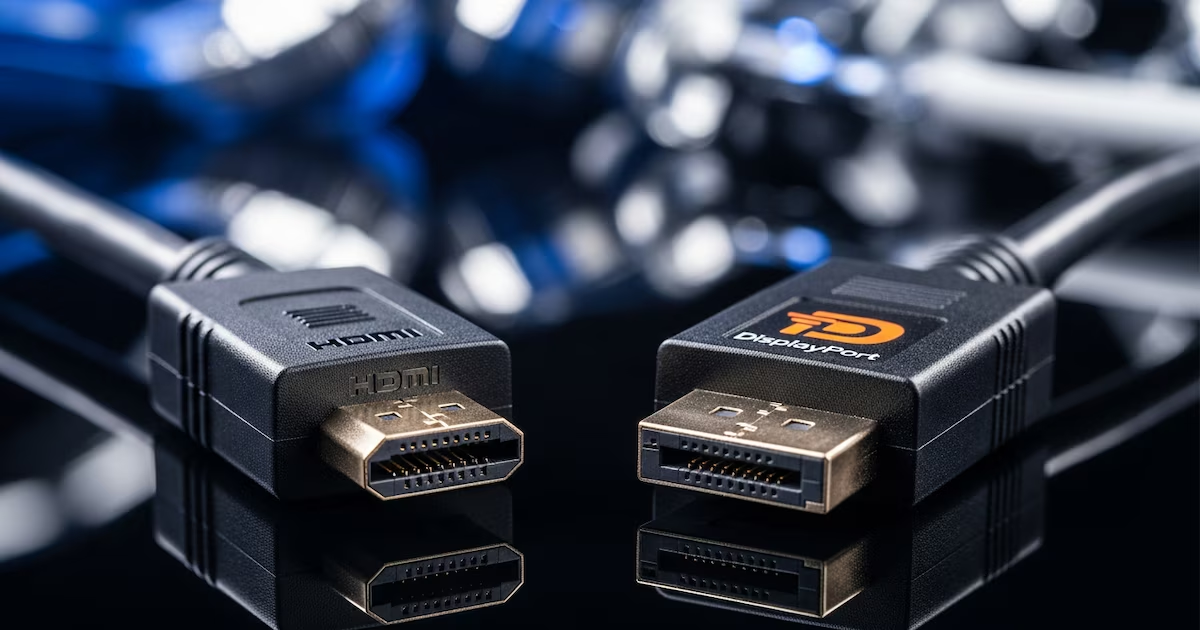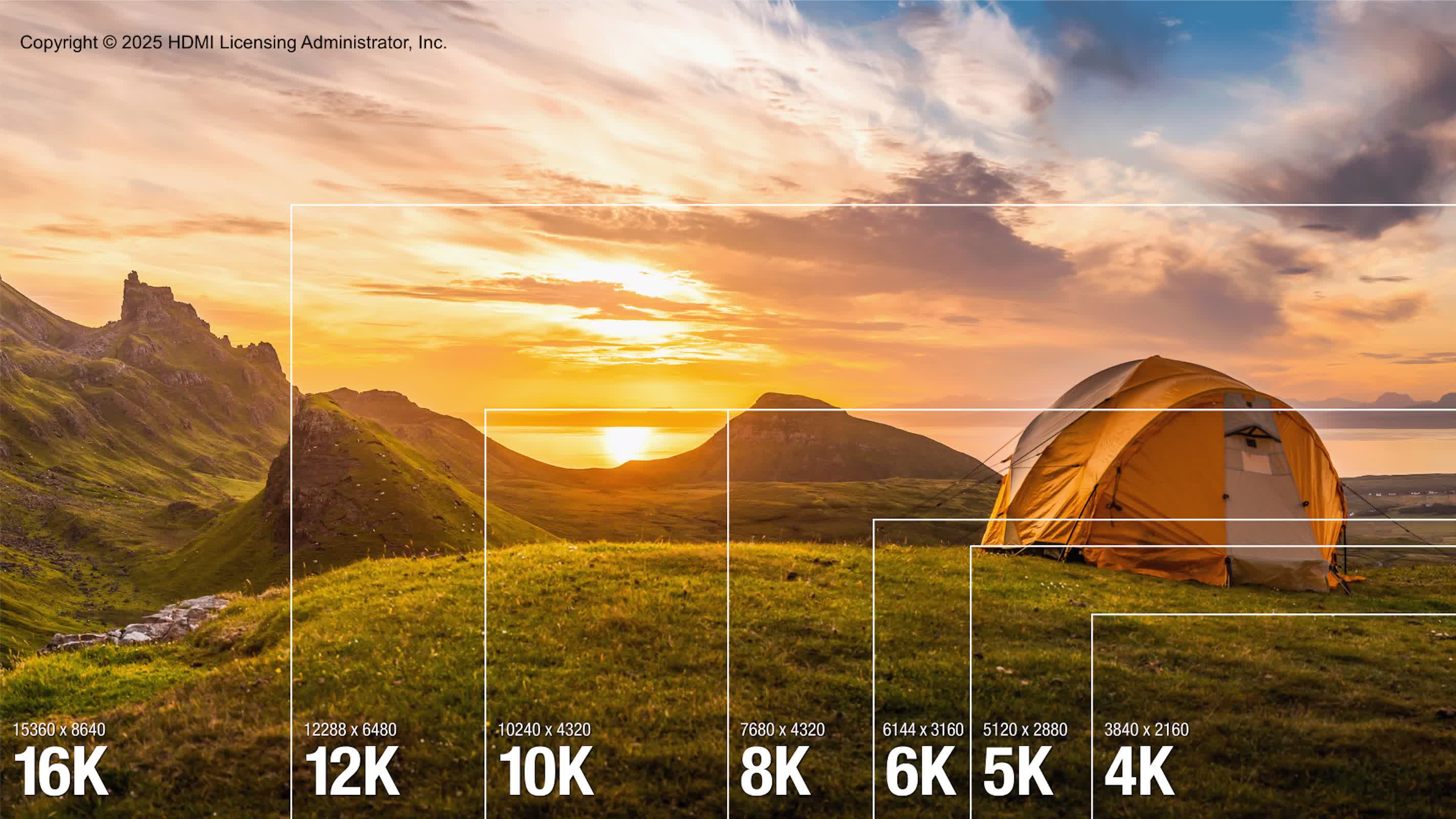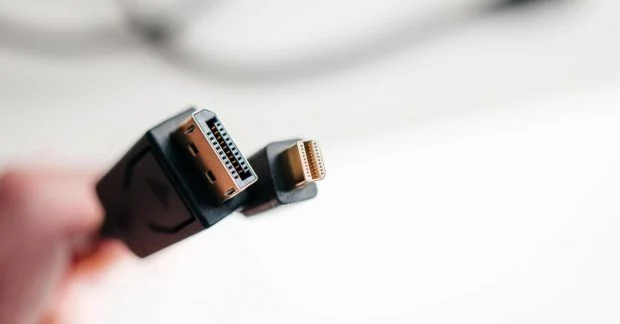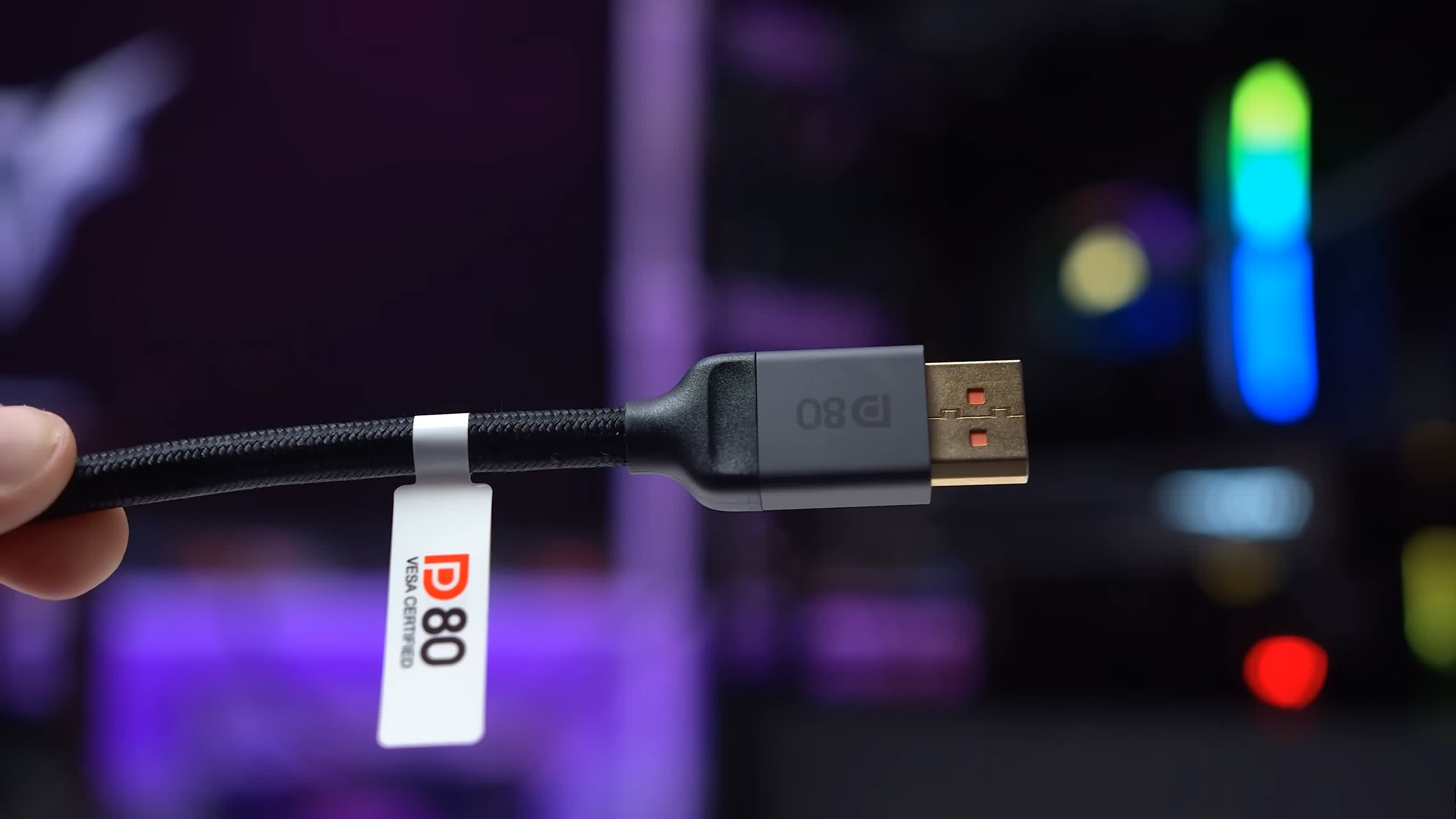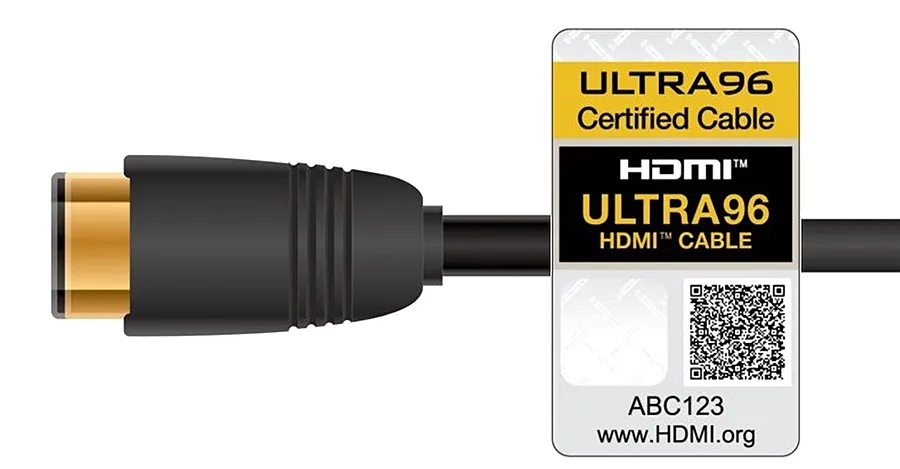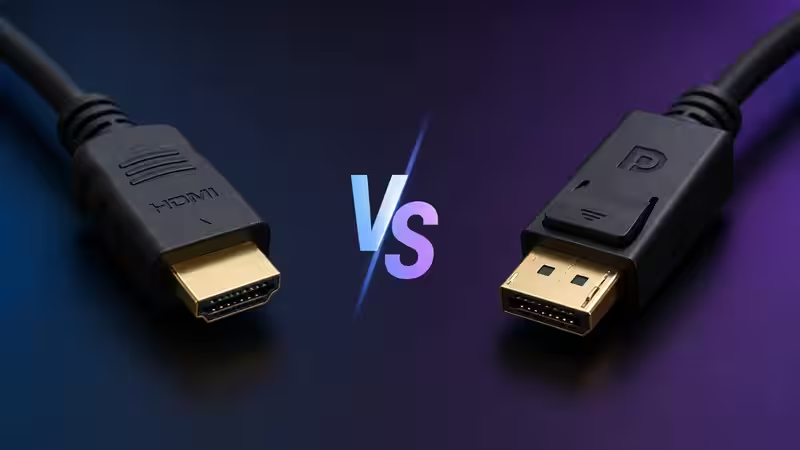
Key Highlights HDMI 2.2 tops out at 96 Gbps and DisplayPort 2.1b tops out at 80 Gbps, and both figures shrink once encoding overhead comes off. A device sold as HDMI 2.2 may run at 14.4 Gbps, because the newer specification absorbs the older ones and leaves every speed tier optional. Televisions ship HDMI inputs, a DisplayPort input on a television stays an exception, and the current Nvidia and AMD flagships ship three DisplayPort outputs against a single HDMI output.HDMI and DisplayPort both carry picture and sound down one cable, and both now reach speeds that most televisions and monitors have yet to use. HDMI belongs to a private licensing body and rules the television, the games console and the soundbar. DisplayPort belongs to an open standards association and rules the graphics card, the monitor and the docking station. Each connector solves the same problem in a different room of the house, and the version number printed on the box reveals far less about either than the bandwidth figure beside it.In practice the choice comes down to what sits at both ends of the cable, since a port runs only as fast as the slowest device attached to it. A television gives you HDMI and little else. A gaming monitor gives you a choice, and its two inputs seldom run at the same speed. A laptop gives you USB-C, which in most cases carries DisplayPort inside it.About The AuthorAt heart, I am a storyteller drawn to the watershed moments that bend the technology landscape. I braid narrative with data, humanise statistics, and trace the arc from first spark to world-changing impact. My reportage, features and reviews are witty, sardonic, visual and vivid, using anecdote to illuminate rather than eviscerate.
HDMI Vs DisplayPort: Which Cable Suits Your TV Or Monitor
HDMI and DisplayPort both send video and audio down a single cable, and the practical split is simple: HDMI rules televisions, soundbars and consoles, while DisplayPort rules PCs, graphics cards and monitors. HDMI 2.2 carries up to 96 Gbps against DisplayPort 2.1b at 80 Gbps. Version badges hide real capability, so shop by bandwidth.
3,905 words~18 min read