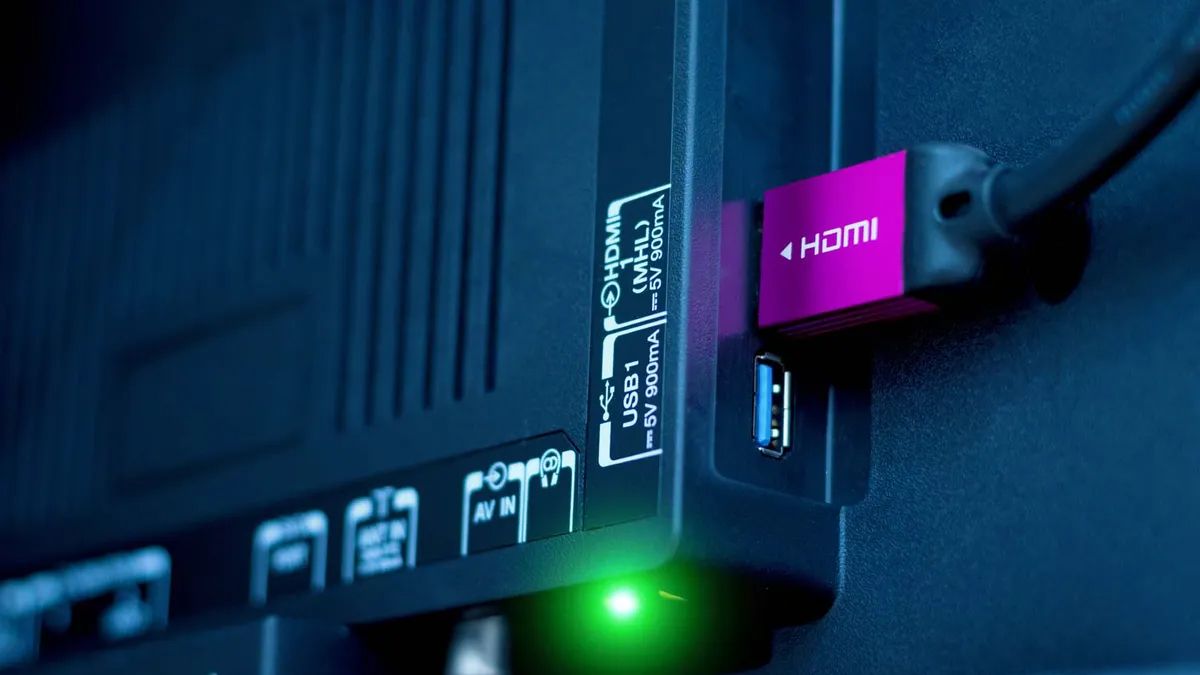
(Image credit: Shutterstock)
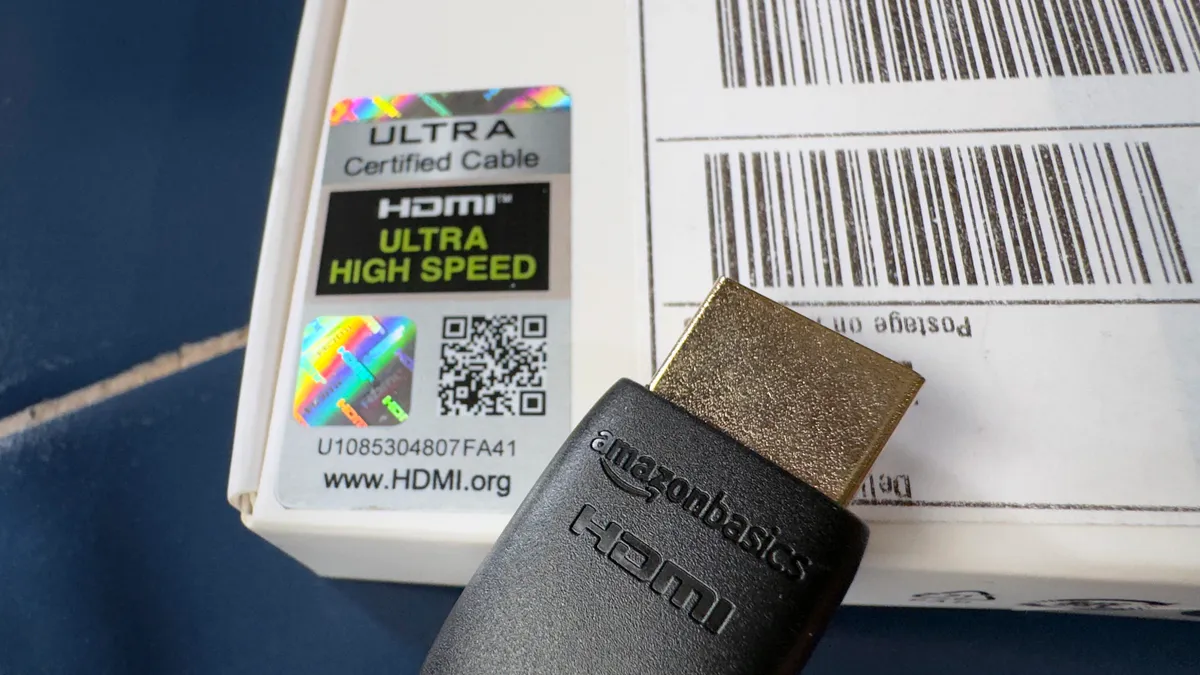
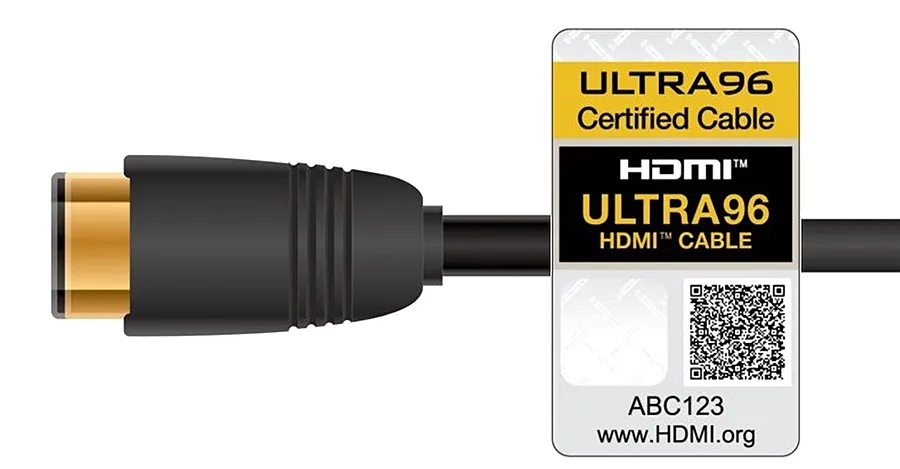
HDMI 2.2 has arrived. And, even though its features can't be fully supported by the best TVs and gaming consoles just yet, it already has a rival.There are ongoing efforts by organizations in the tech sector to replace HDMI with something called GPMI. It does everything HDMI does with some added tricks up its sleeve. For its supporters, GPMI represents a simplified future of fewer cables and faster speeds.It's a rosy outlook, for sure, and one that requires some squinting in order to see it. As promising as GPMI is, I fear that our living rooms will be firmly entwined with HDMI for the long haul.What is GPMI?Short for General Purpose Media Interface, GPMI is a new connectivity standard developed by an alliance of over 50 Chinese companies, including Hisense and TCL. It’s an alternative to HDMI that merges high-bandwidth audio, video, data and power-delivery in a single cable.Like HDMI 2.1 and 2.2, GPMI’s benefits are primarily due to its added bandwidth compared to older standards. It supports higher-resolution, higher-framerate content than what’s available via the garden-variety HDMI 2.0 cables most folks still use in their living room. Similar to Thunderbolt cables, GPMI cables also offer power delivery.GPMI’s benefits are primarily due to its added bandwidth compared to older standards.There are two types of GPMI cables: USB-C and a proprietary Type-B cable. The USB-C version supports a bandwidth of 96 Gbps and 240 watts of power-delivery while the Type-B cable offers speeds of 192 Gbps and a total of 480 watts.GPMI’s flexibility makes it an attractive option for the future of home entertainment. But with a new, higher-bandwidth version of good ol’ fashioned HDMI on our doorstep, which of these cables will earn a place in our living room?Get instant access to breaking news, the hottest reviews, great deals and helpful tips.GPMI vs HDMI 2.2: Which will win?