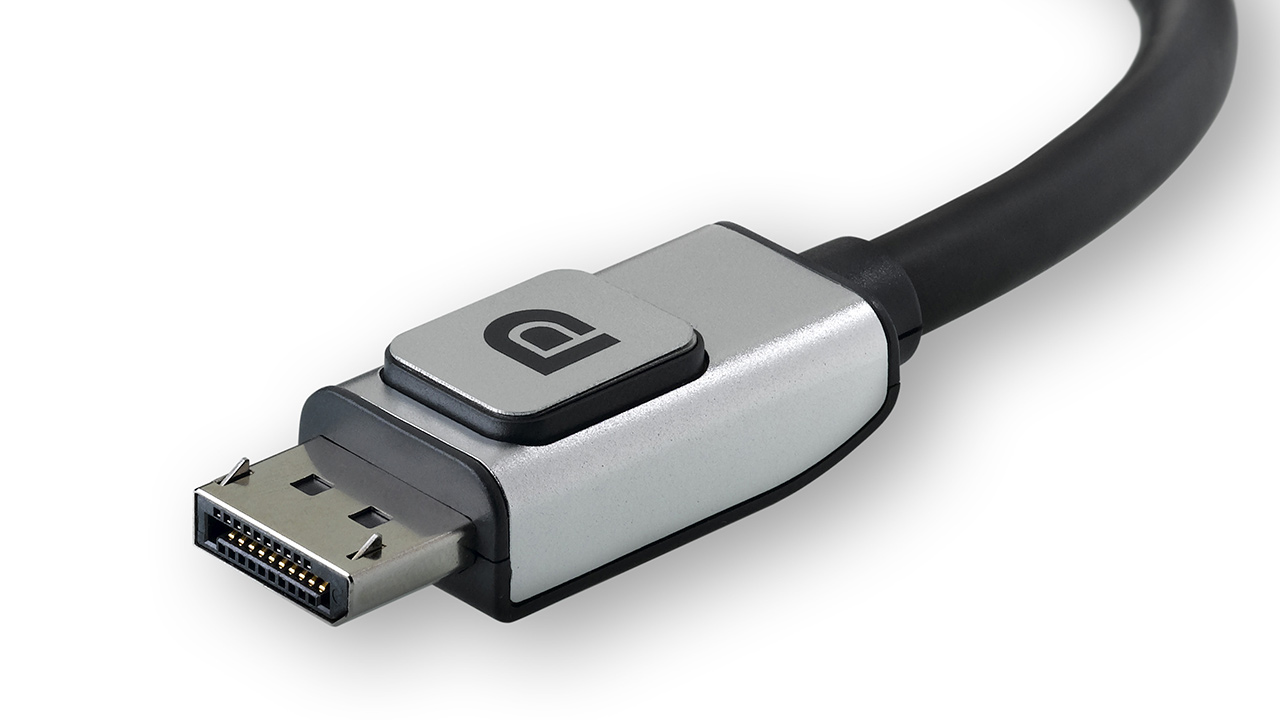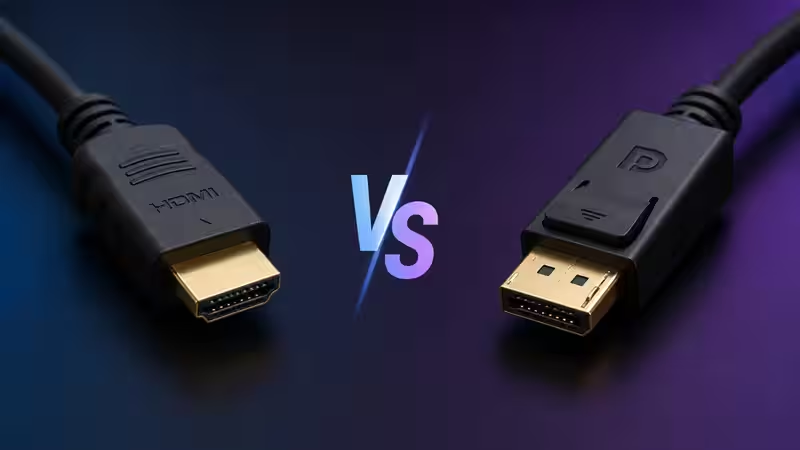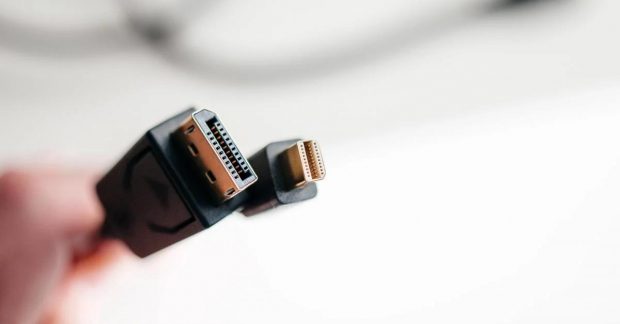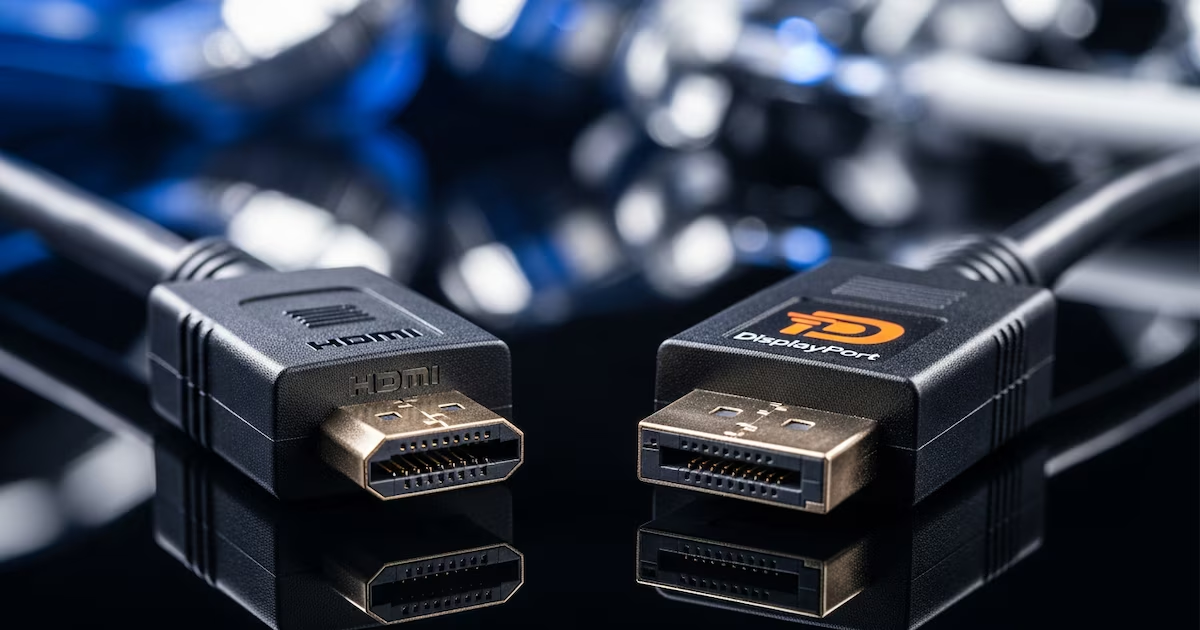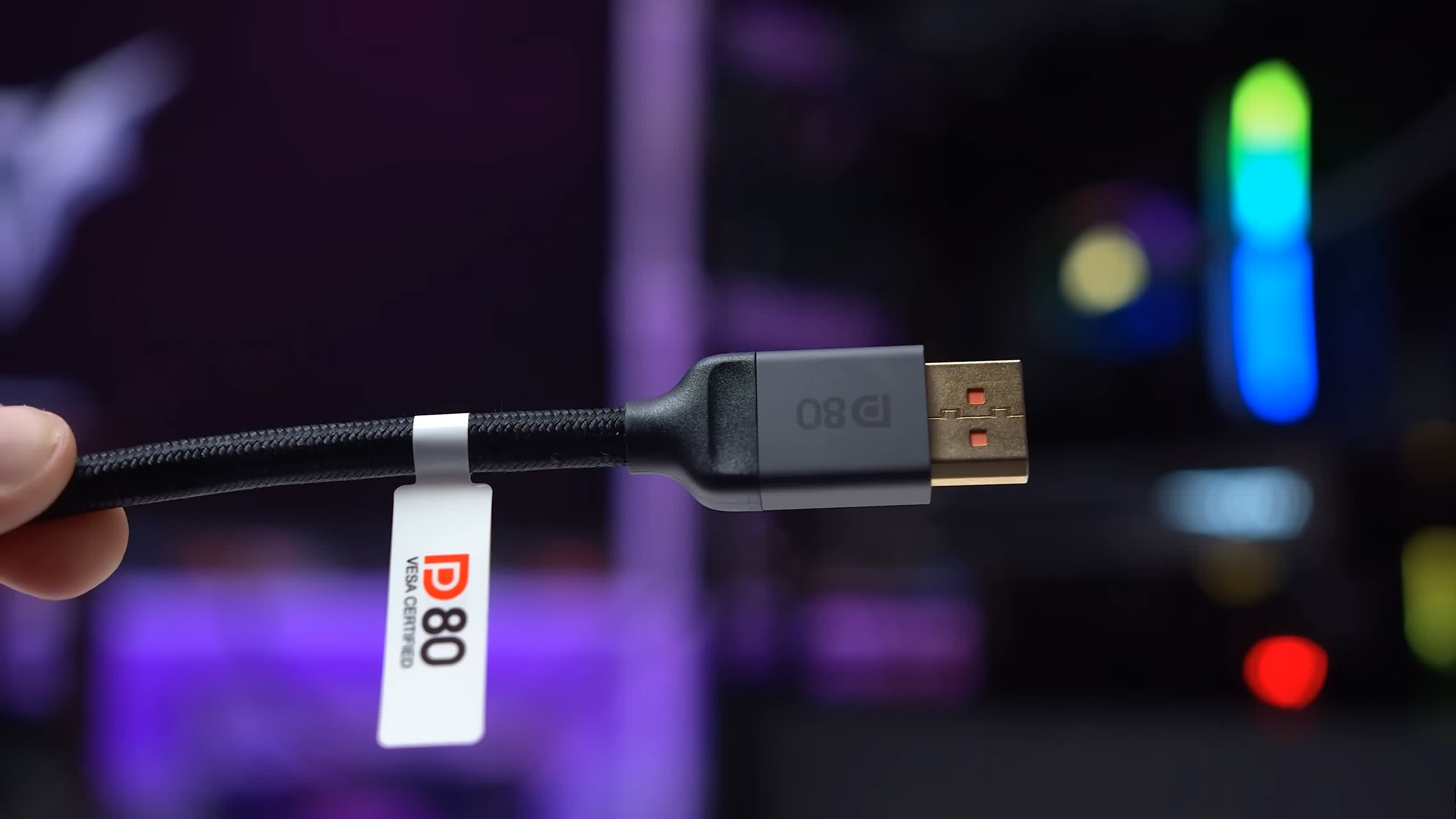
If you bought a DisplayPort 2.1 monitor and hooked it up to a DisplayPort 2.1 graphics card, you'd think the setup would actually use DisplayPort 2.1, right? After all, both devices support the specification, so surely they would use it. Well, as it turns out, your DisplayPort 2.1 configuration might not actually be running at full DisplayPort 2.1 speeds, potentially defeating the purpose of buying that expensive monitor with the latest spec. So what on earth is going on here?
First, we hear from a lot of readers who are specifically interested in buying DisplayPort 2.1 monitors to take advantage of the spec's higher bandwidth. Not everyone cares about this, of course, but we regularly see comments from people who won't consider a DisplayPort 1.4 monitor simply because it lacks DisplayPort 2.1. This is especially common with high-end displays that require significant bandwidth, such as 4K 240Hz and 1440p 500Hz models.
The reasoning is that by buying a monitor with DisplayPort 2.1, users won't need to rely on Display Stream Compression (DSC) and can enjoy a fully uncompressed signal. Compression is often viewed as a negative, and some people simply don't want to use it. The issue has been further complicated by Nvidia GPU feature limitations that are frequently blamed on DSC, despite not actually being caused by it.