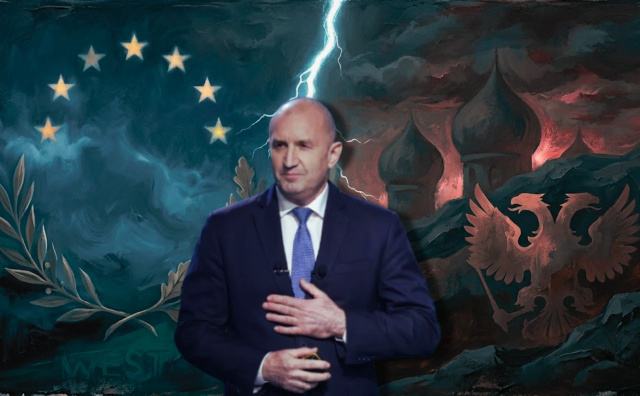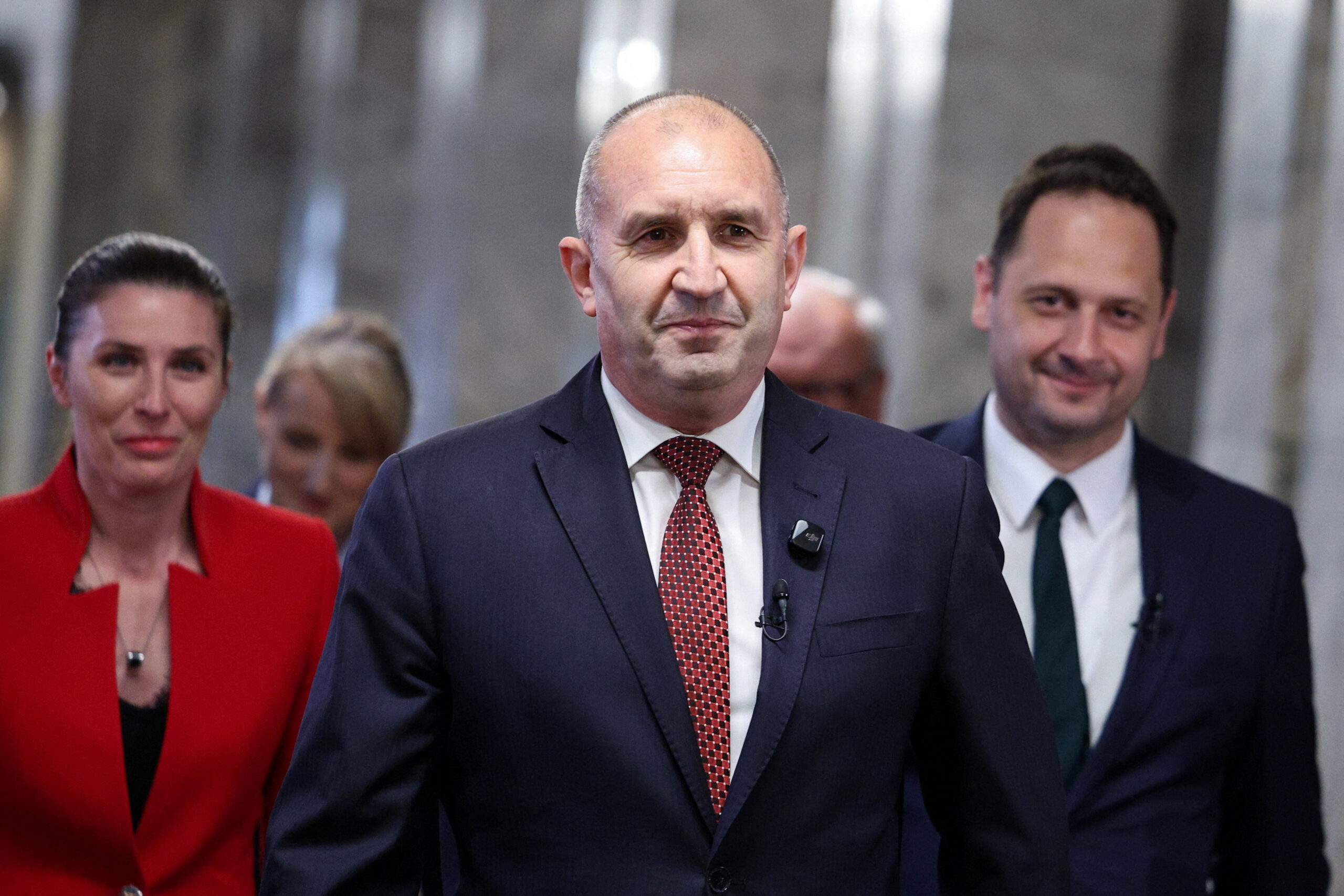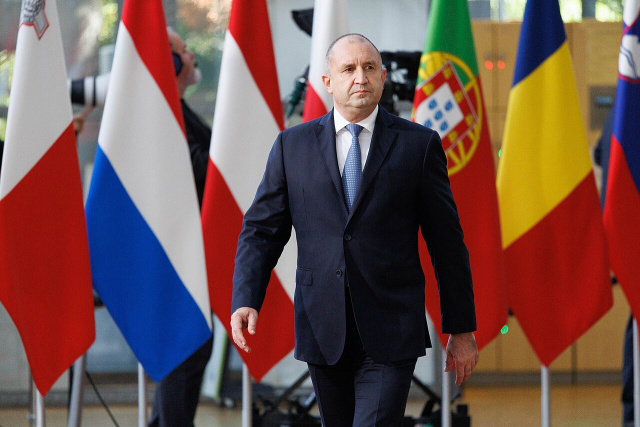
Rumen Radev is testing how far he can push Bulgaria's foreign policy without openly breaking with the European Union and NATO, according to an analysis by Britain's Guardian newspaper, which examines whether the Bulgarian prime minister could emerge as Europe's next Viktor Orban.
The comparison has gained attention since Radev's Progressive Bulgaria party won a landslide majority in April's parliamentary elections, making him prime minister after previously serving as president. While some in Europe had hoped the end of the Orban era in Hungary would mark a return to greater unity, Radev's first months in office have raised questions about whether Bulgaria could instead become a new source of friction within the EU.
His approach to foreign policy has so far appeared transactional and inconsistent, with some decisions favoring closer ties with Washington while others have raised concerns about Russia's influence.
In May, Bulgaria ended its military support for Ukraine after Radev said he considered the Ukrainian cause "doomed." Bulgaria also declined to join 36 countries supporting a special tribunal aimed at prosecuting Russia over its invasion of Ukraine.
During a visit to Paris for France's national holiday, Radev withdrew Bulgaria from the so-called coalition of the willing, arguing that the country did not have the capacity to provide further assistance to Ukraine and that military support would only prolong the war.