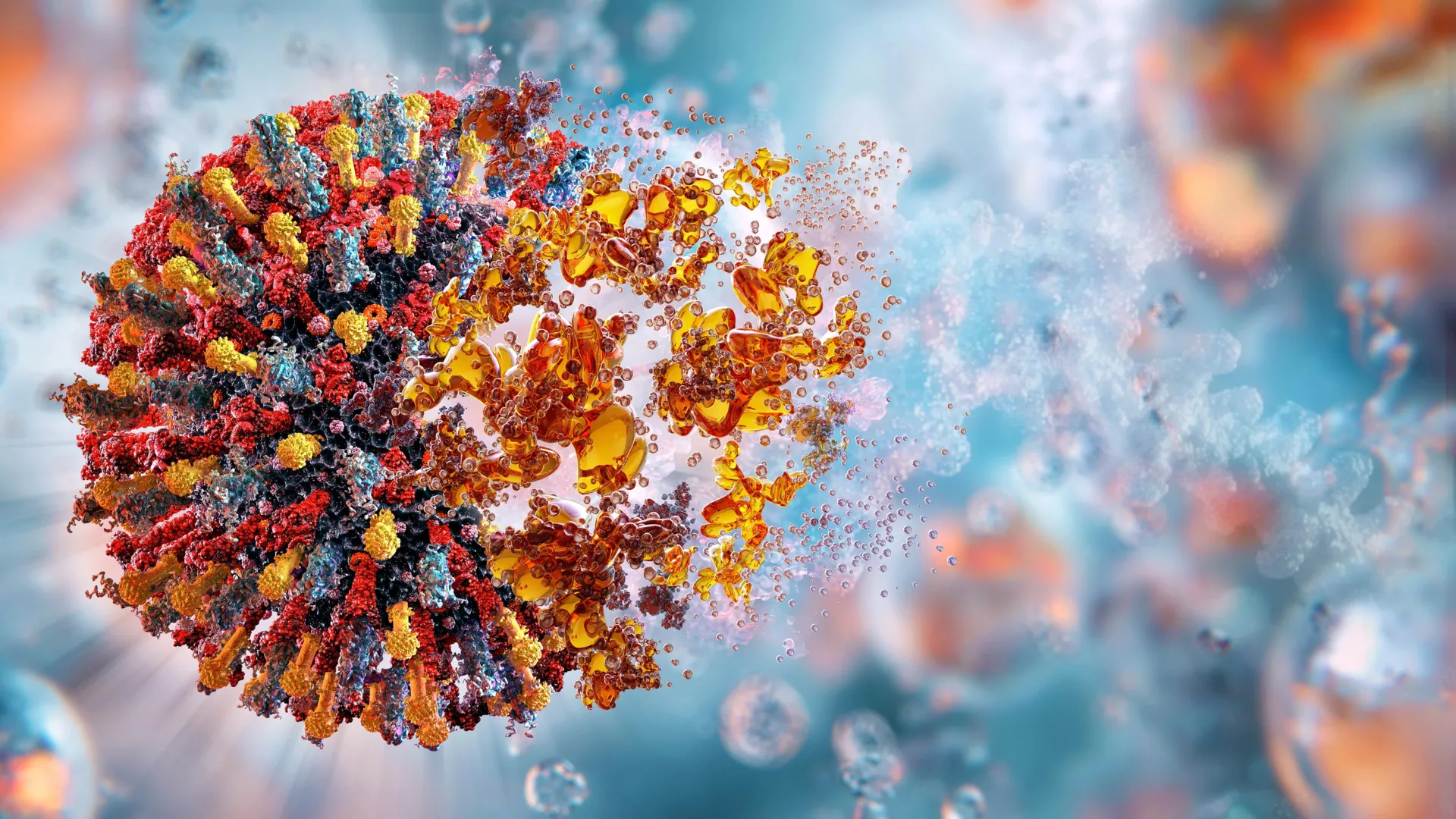
Every RNA virus — from stomach bugs and influenza to chickenpox and the common cold — has its own story to tell, with a unique combination of symptoms, rates of transmission, duration, and chemical blueprint.Yet on a genetic level, RNA viruses share common structural elements. The RNA of their genomes has strings, folds, and knot-like features that interact with the human body and with medicines in potentially predictable ways. And according to a new Yale study, understanding these structures could open the door to a new way of developing vaccines and medicines to treat any emerging pathogen — beginning with norovirus, the world’s most common stomach bug.
Why is it important to develop effective norovirus treatments?While most healthy people recover completely in a few days, norovirus does pose serious risks. The World Health Organization estimates that there are 685 million cases worldwide annually, including 200 million cases among children under five. Norovirus causes up to 200,000 deaths per year, including 50,000 child deaths, primarily in low-income countries. What are the best ways to prevent norovirus infection? Norovirus is highly transmissible, spreading via contact with infected individuals, and contaminated food or water. The virus can also live on objects like doorknobs, countertops, and phones for days or weeks. To prevent norovirus infection, experts encourage people to avoid sick individuals, wash their hands with soap often (especially after using the bathroom and before eating), wash fruits and vegetables thoroughly, and immediately disinfect areas or clothing that encounter contaminated bodily fluids.