Colombia earthquake: 1.2 million need aid as some communities remain out of reach
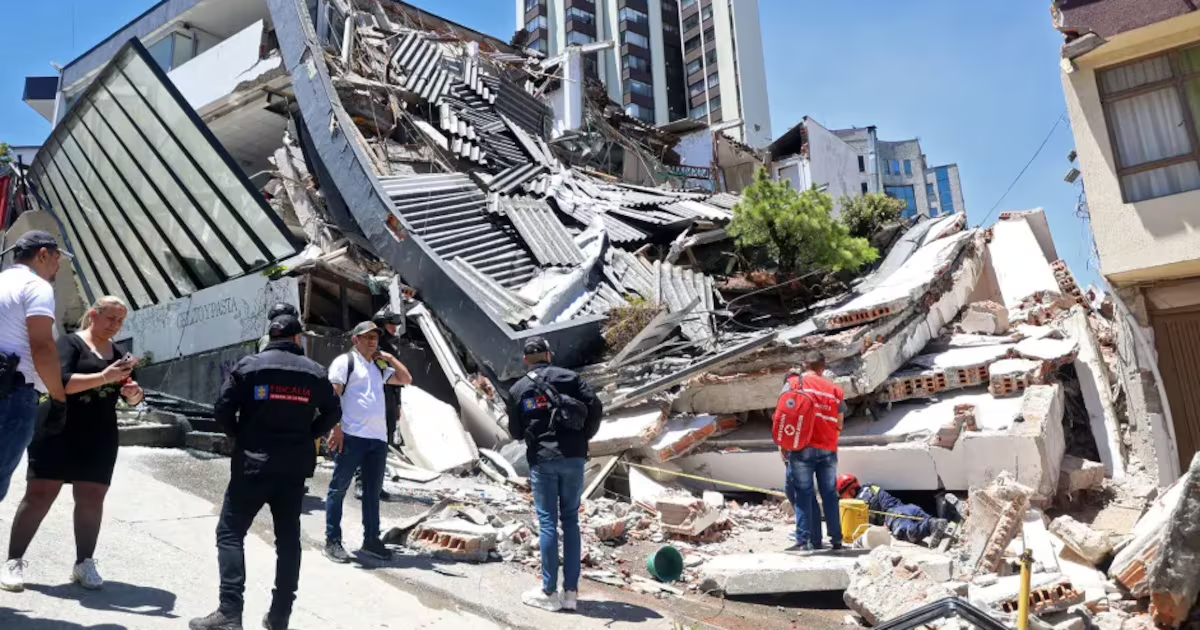
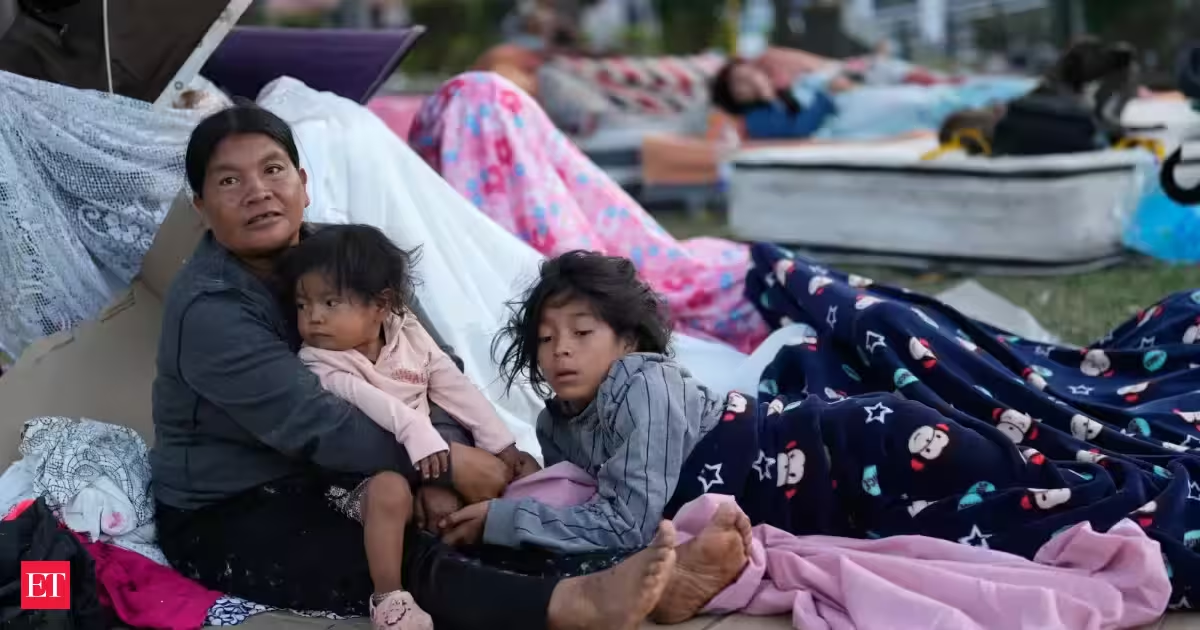
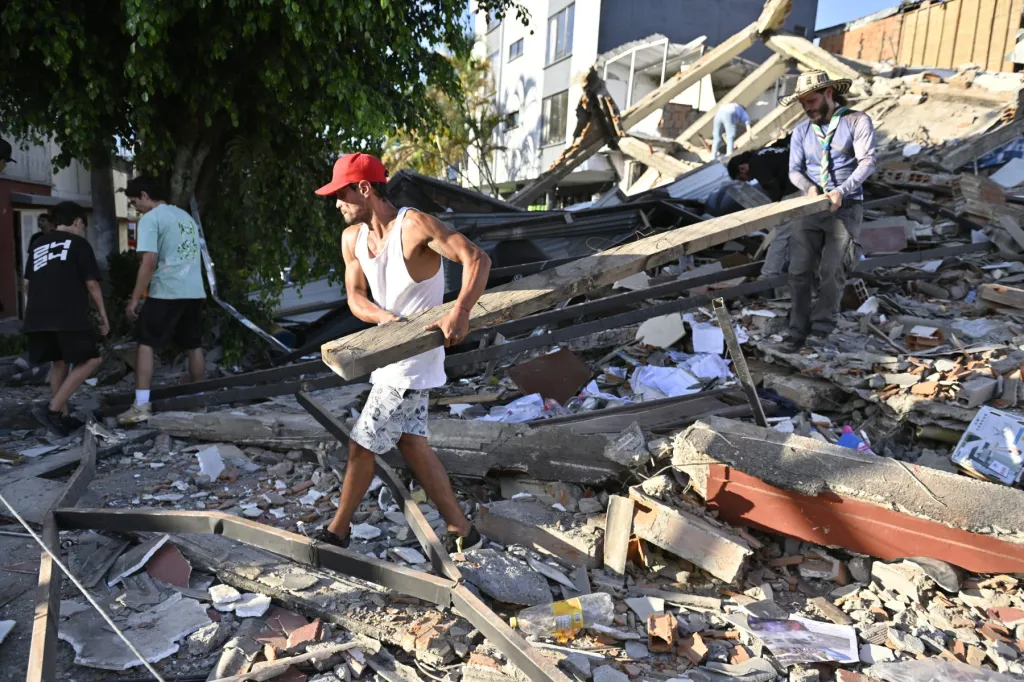
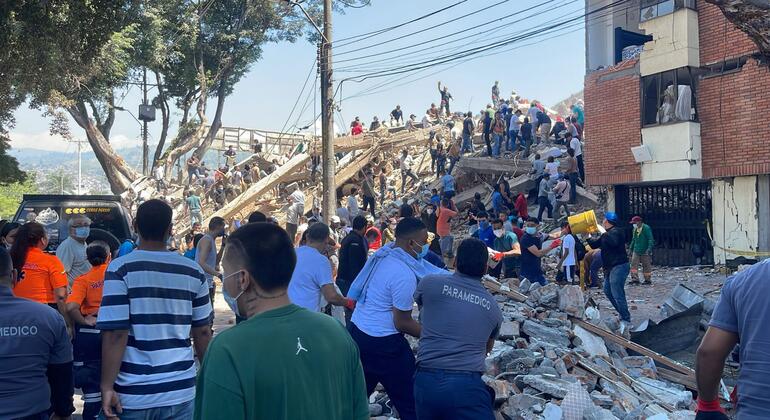
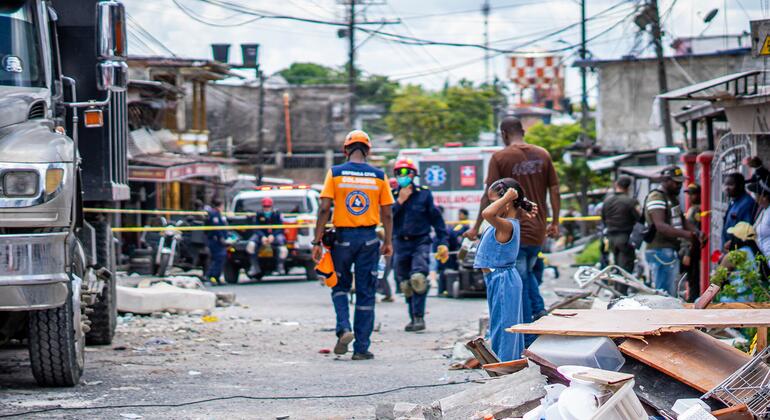
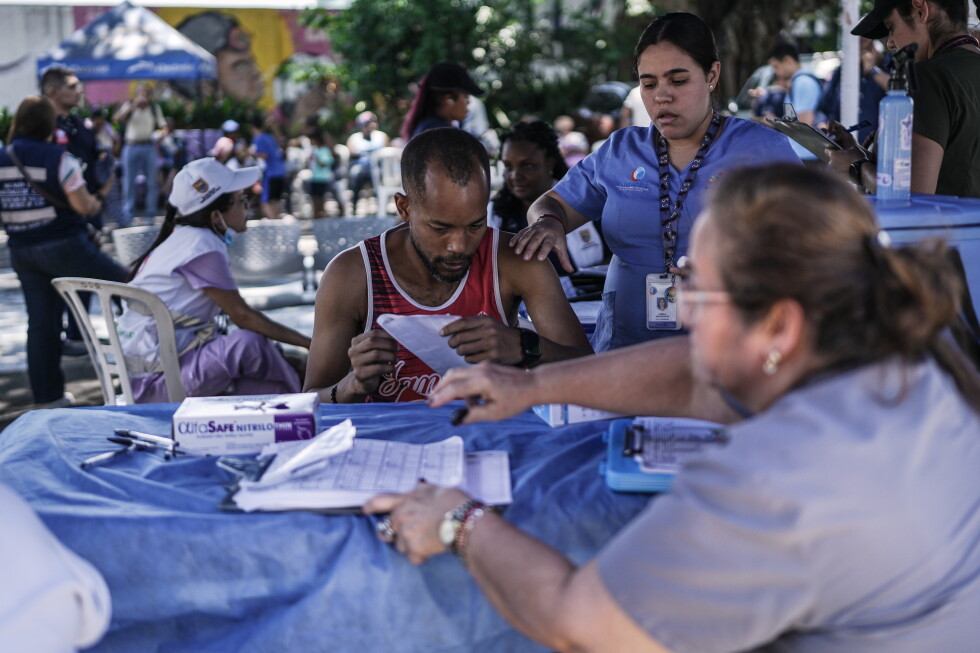
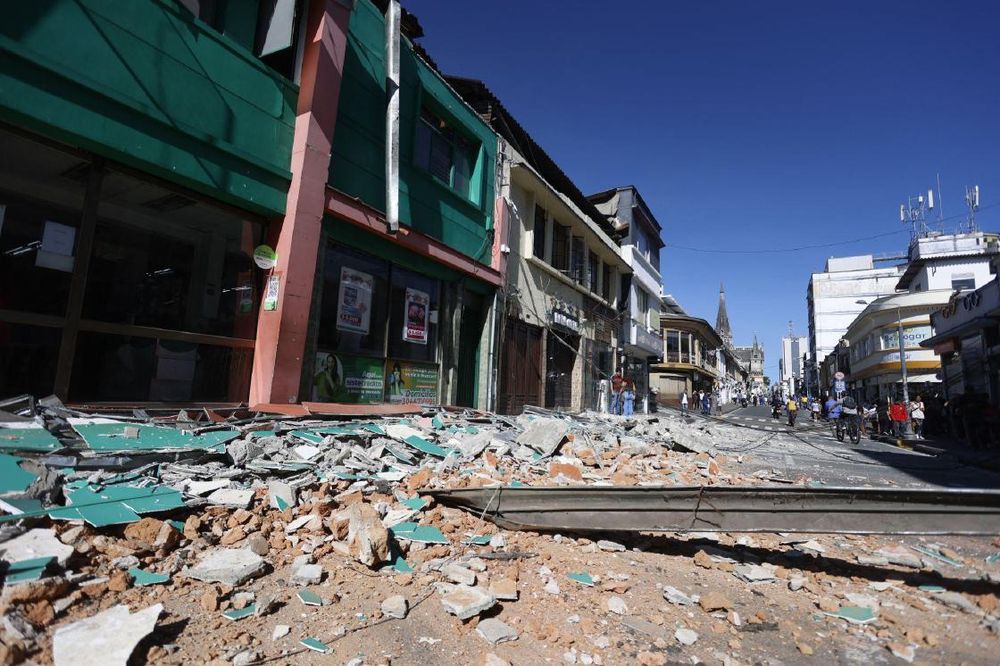
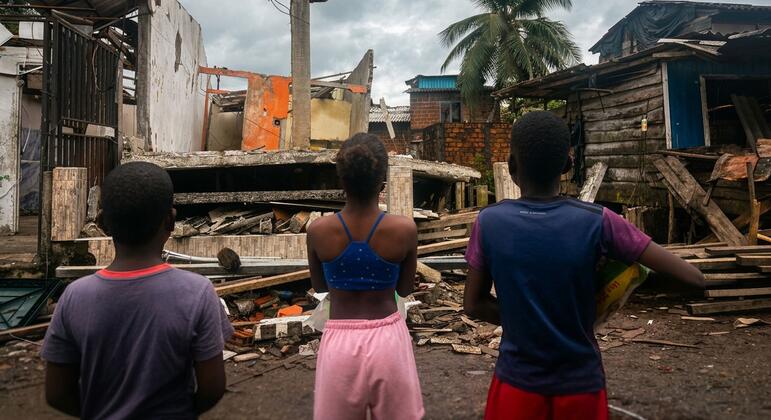
Humanitarian partners are seeking $148,1 million to respond to needs created by the 7.4-magnitude earthquake, which struck on 10 August, according to a new addendum to the UN’s 2026 Humanitarian Response Plan for Colombia.The response aims to reach 671,000 people, initially concentrating on the hardest-hit departments of Risaralda, Valle del Cauca, Chocó and Caldas.Speaking from Quibdó, the capital of Chocó and one of the areas worst affected, Jean-Philippe Antolin, a humanitarian response and recovery specialist with the UN migration agency (IOM), said the full extent of the disaster was still emerging.“There are communities that haven’t been accessed yet, or have only been accessed once,” he told reporters at UN Headquarters in New York.“Pretty much everything is still urgent.”Fearing collapseLatest government figures cited by UN agencies indicate that more than 300 people have been killed, 426 remain missing and more than 4,500 have been injured across 472 municipalities in 15 departments.More than 134,000 homes have been damaged and nearly 30,000 destroyed, while at least 413 roads have been affected, complicating access to some communities.For many families, even homes that remain standing cannot yet be considered safe.“From outside, some might not look affected. But if you go inside, you will see cracks everywhere,” Mr. Antolin said.“People are sleeping outside for fear of the roof collapsing over their heads.”He said structural assessments were urgently needed so families could then start returning safely. IOM has identified at least 71 temporary collective accommodation sites housing around 4,700 people across Valle del Cauca, Risaralda, Chocó and Caldas. Others are staying with relatives, renting accommodation or living in improvised spaces.Mr. Antolin warned that formal shelters should not become “magnets” for assistance while families staying elsewhere go without help.