Colombia is experiencing a historically challenging moment, having suffered a 7.4-magnitude earthquake — six weeks after its neighbor, Venezuela, experienced two earthquakes of 7.2 and 7.5 magnitude in June.
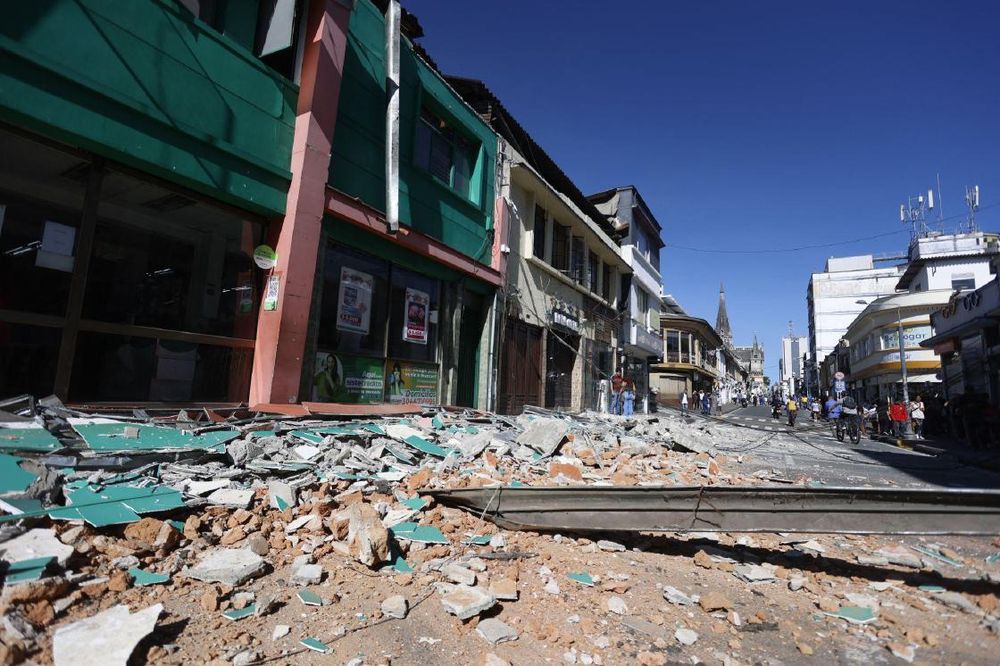
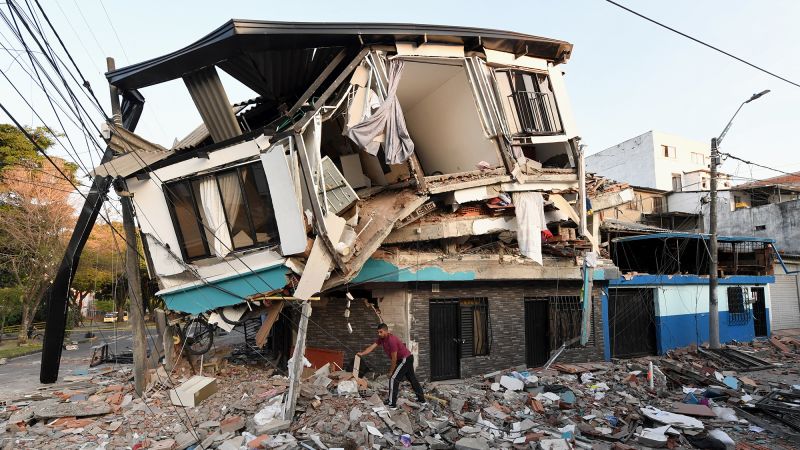
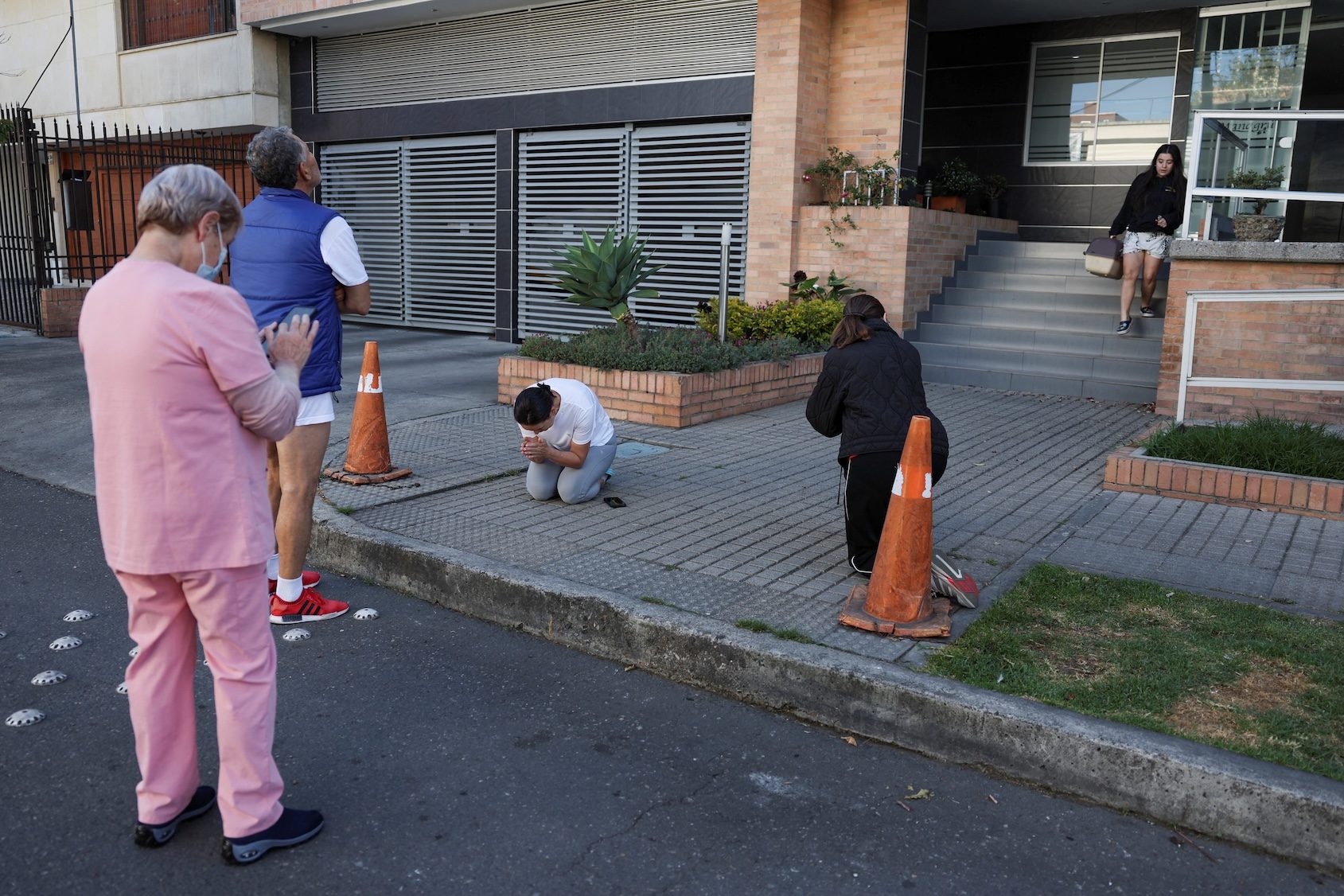
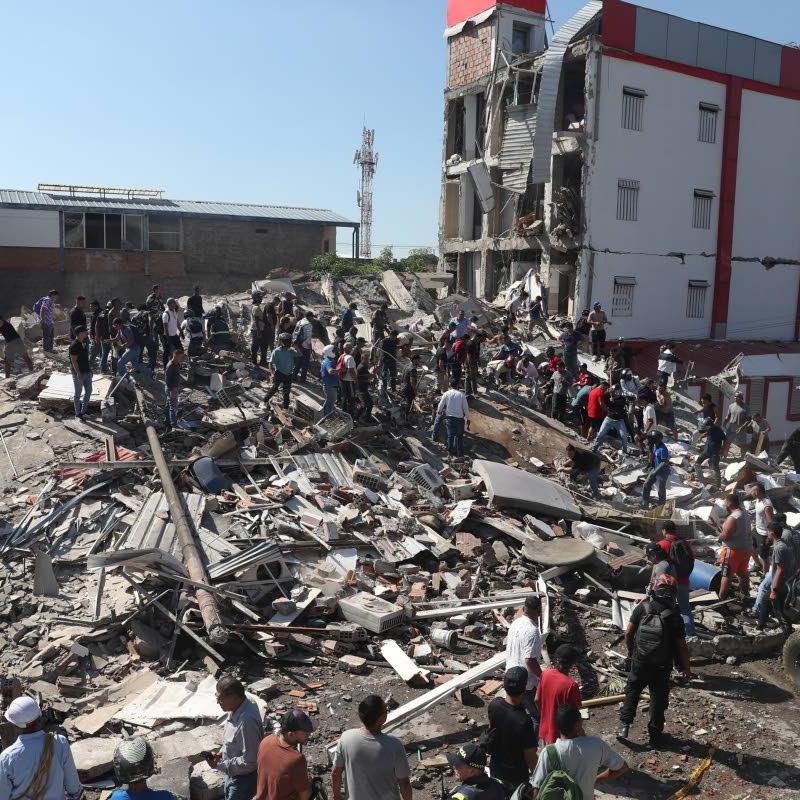
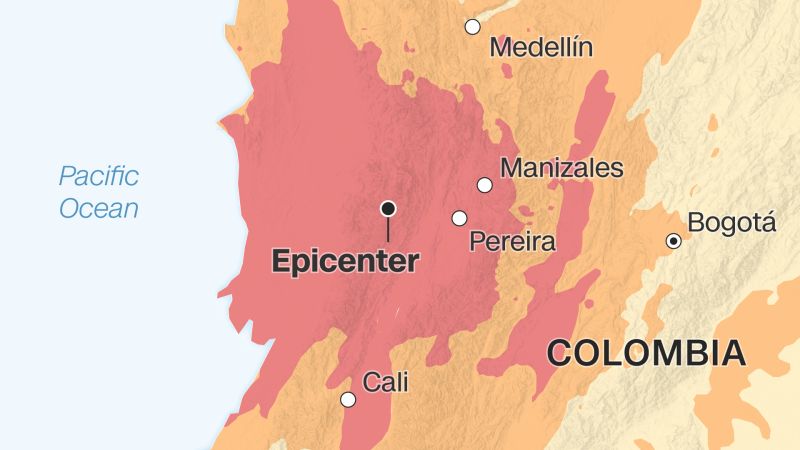
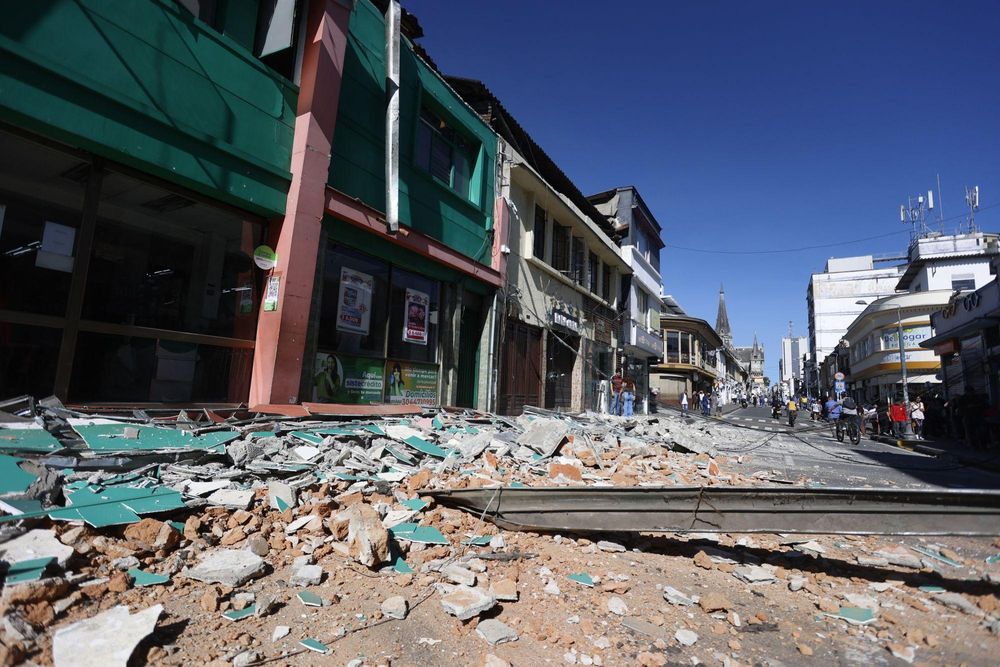
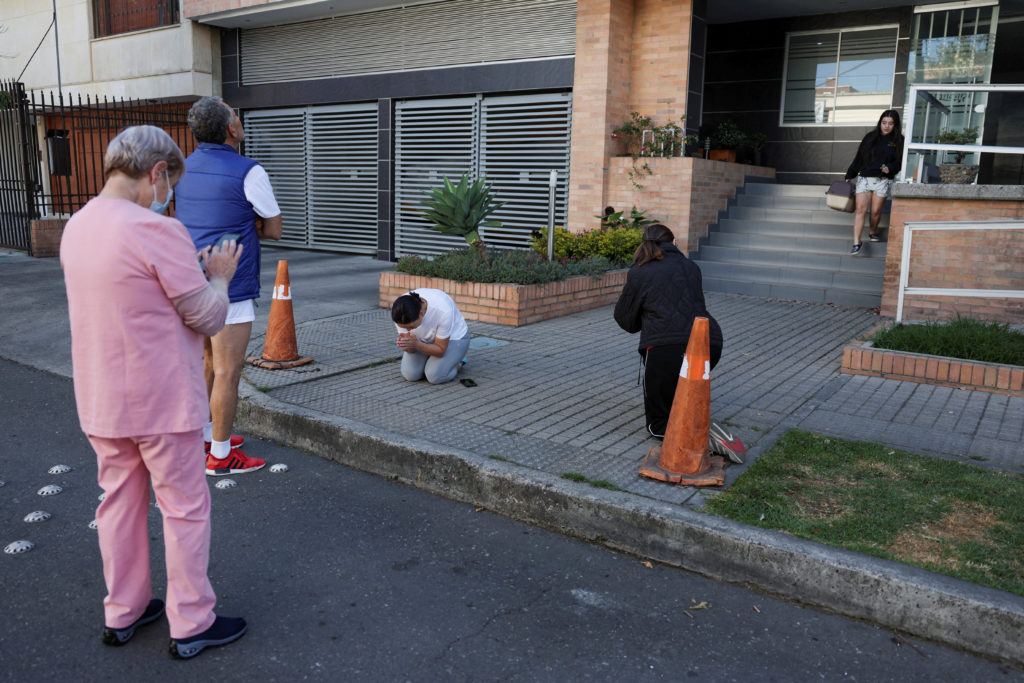
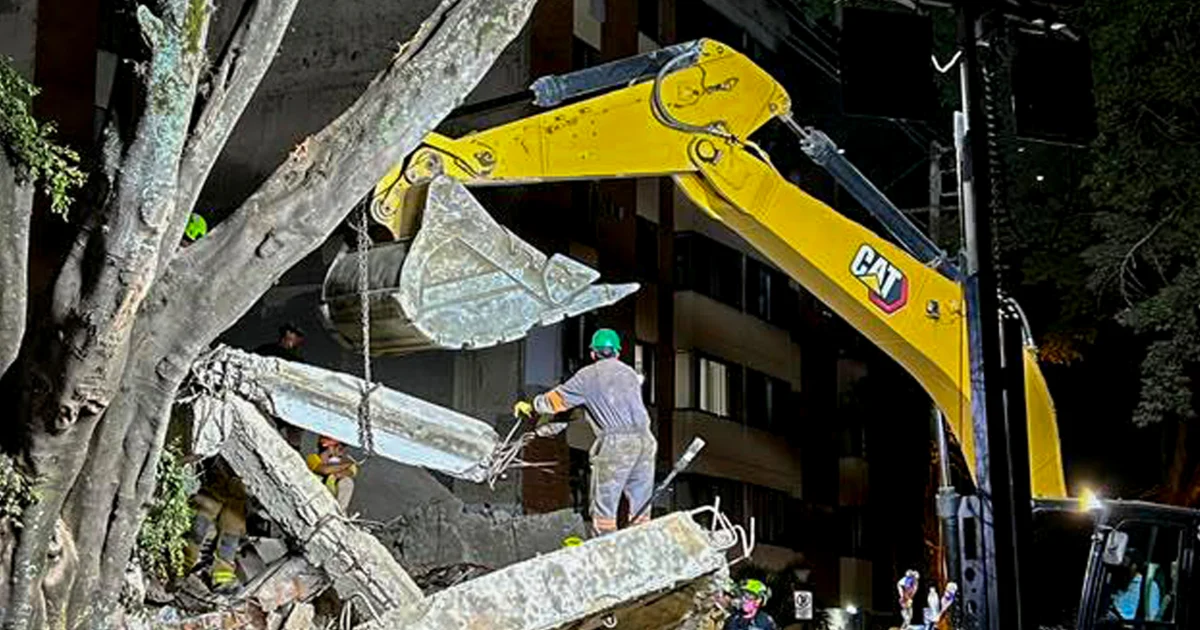
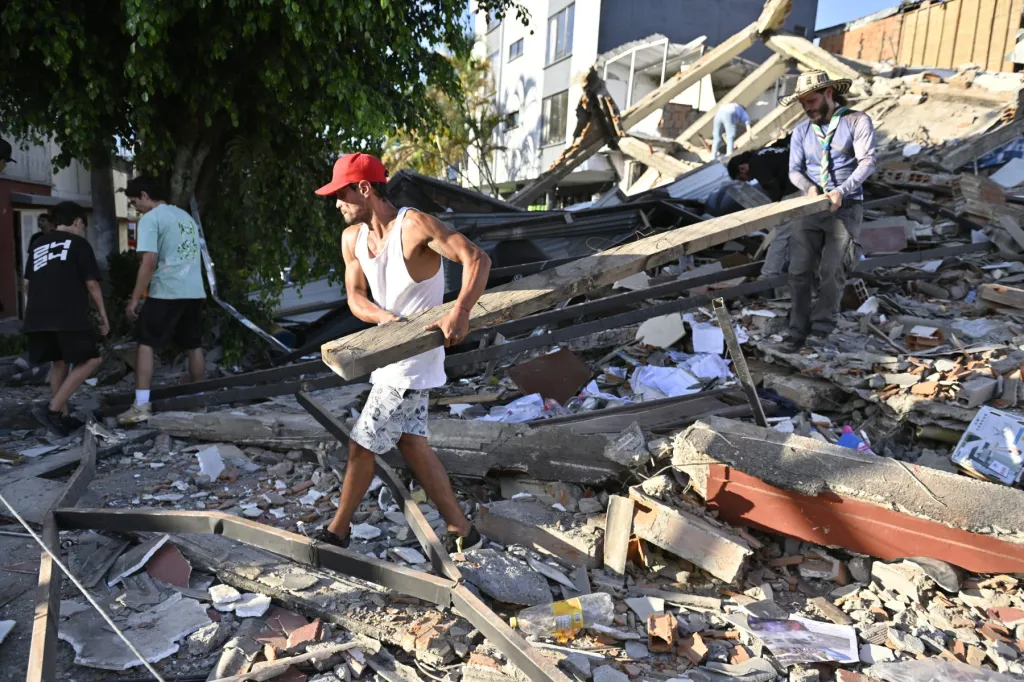
On the morning of Aug. 10, the earthquake shook the country’s Pacific Coast, with the epicenter in San José del Palmar, a city in the department of Chocó, 150 miles west of Bogotá, where the tremor was also felt. The destruction and collapse of multiple buildings, leaving citizens trapped under the rubble in various areas of the country, including Cauca, Valle del Cauca, Risaralda and Quindío, among others, led the government to declare a national disaster.
According to recent reports by CNN, on Tuesday (Aug. 11), the death toll surpassed 200 people, with 3,000 missing — and the number is expected to continue to rise, as emergency personnel work to clear the rubble and continue their rescue efforts, but have yet to reach the epicenter.
The Colombian Geological Service (CGS), a government agency dedicated to researching subsoil resources, monitoring geological hazards and managing nuclear materials, reports that this is the largest-magnitude seismic event recorded in Colombia in the 21st century. Since the 7.4 quake on Monday, the organization has recorded more than 70 aftershocks in numerous cities across the country.