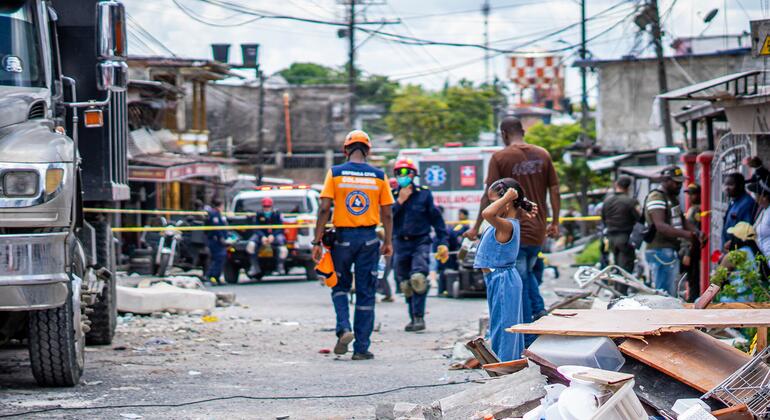
UN continues scaling up response to earthquake in Colombia
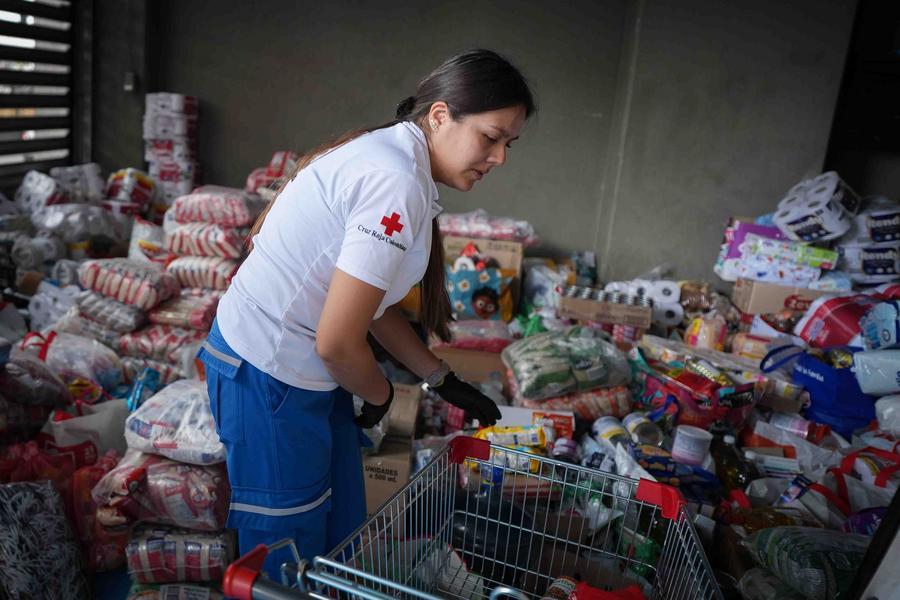
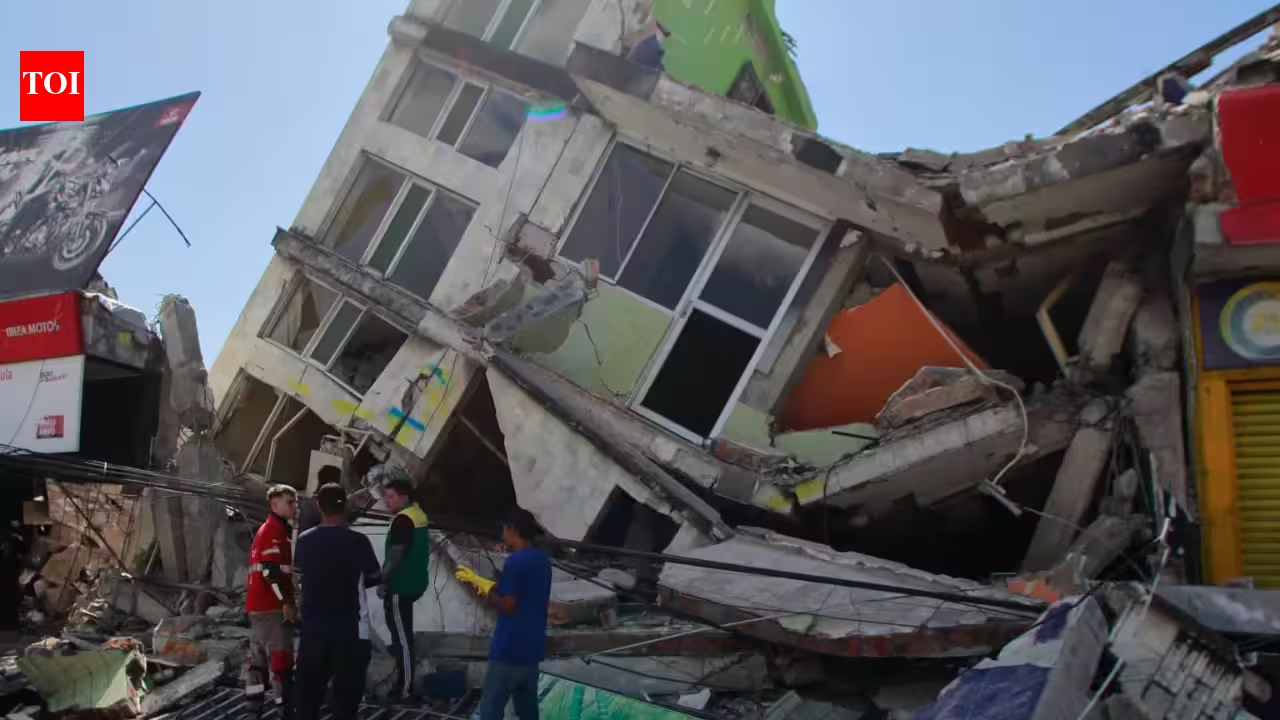
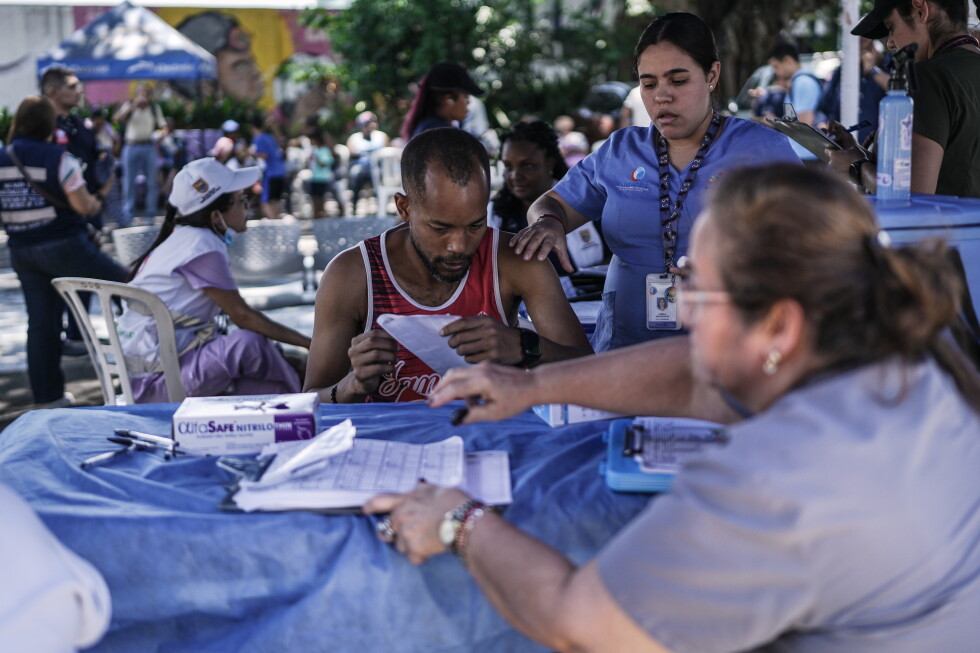
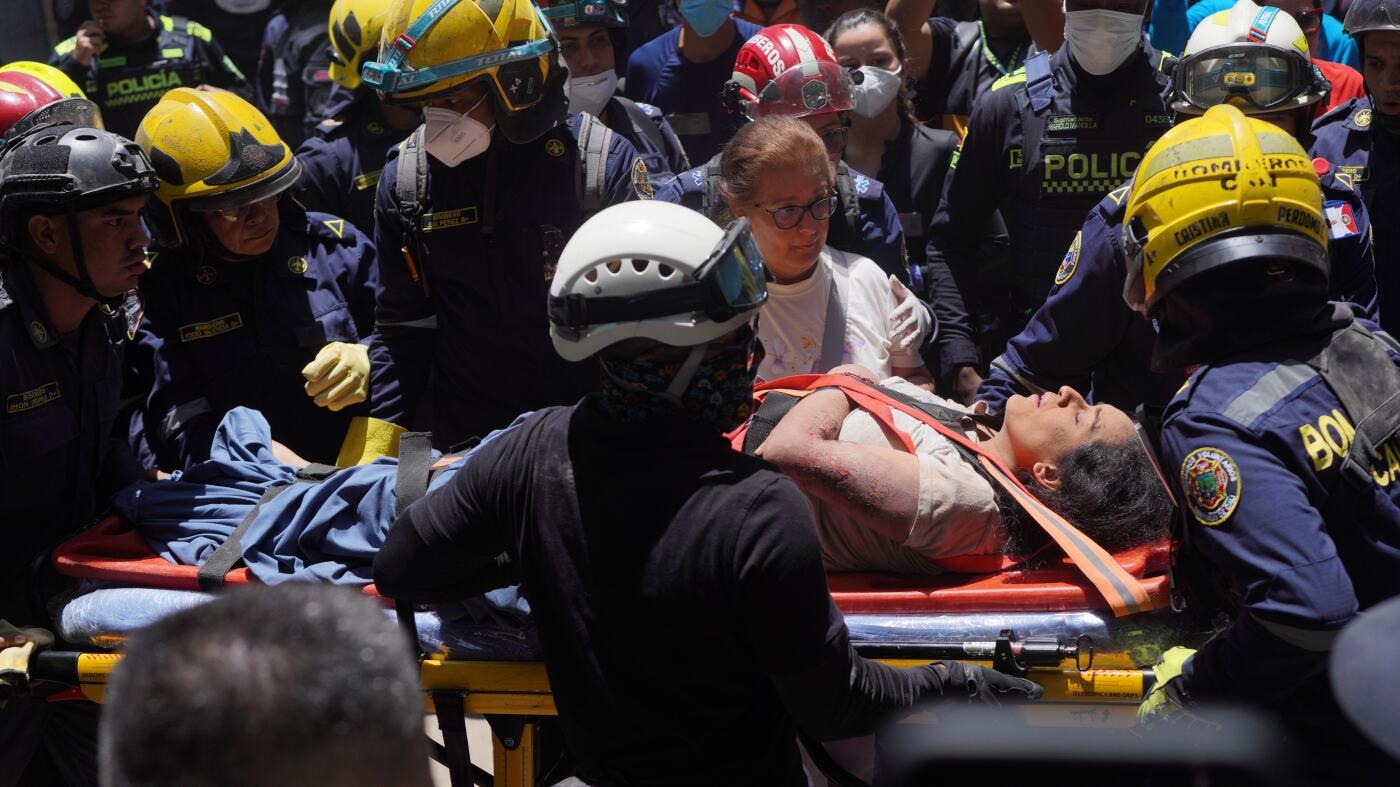
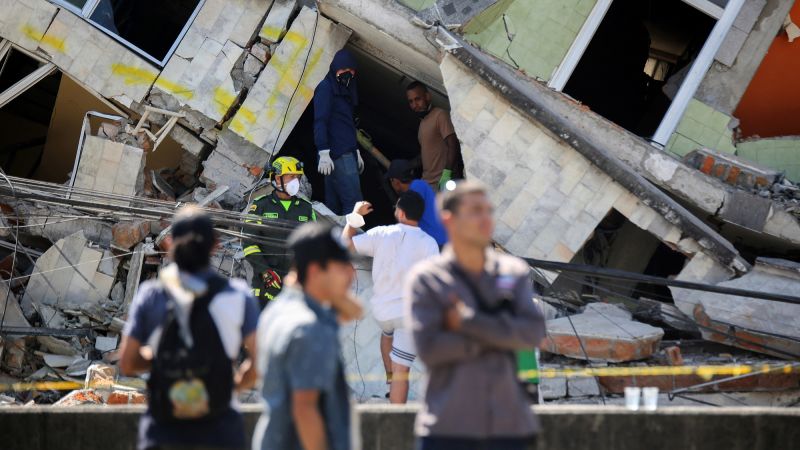
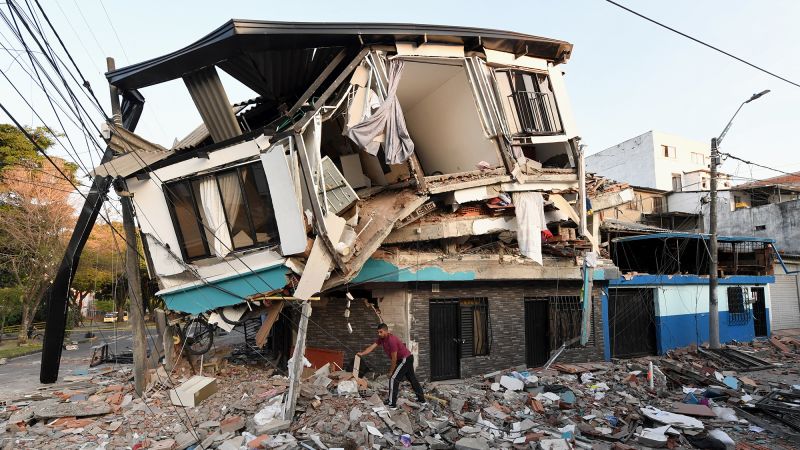
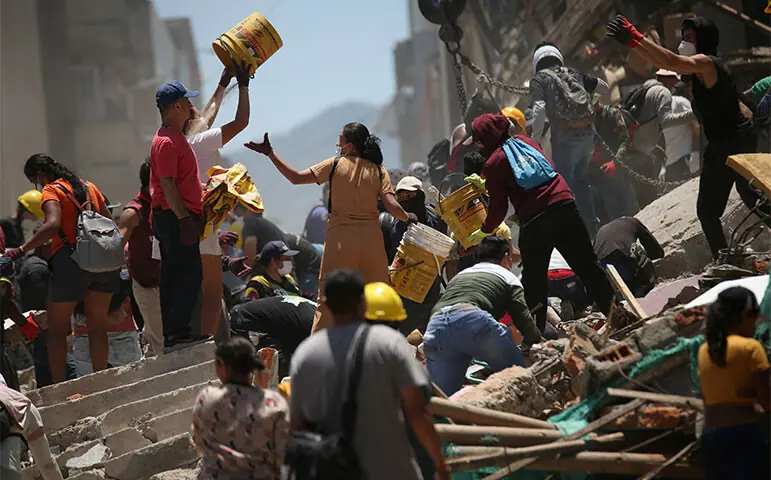
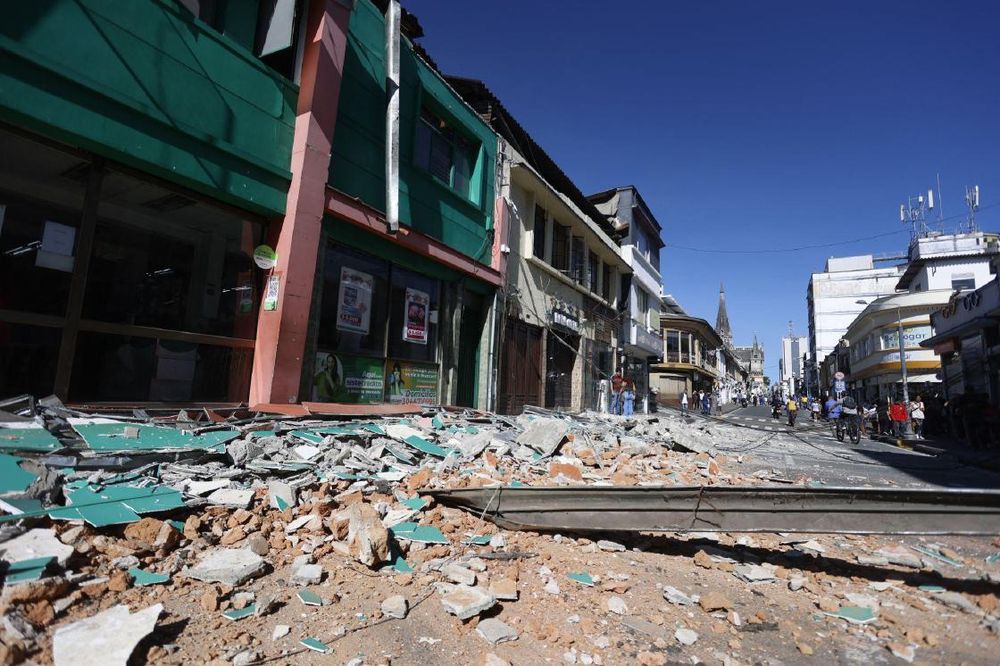
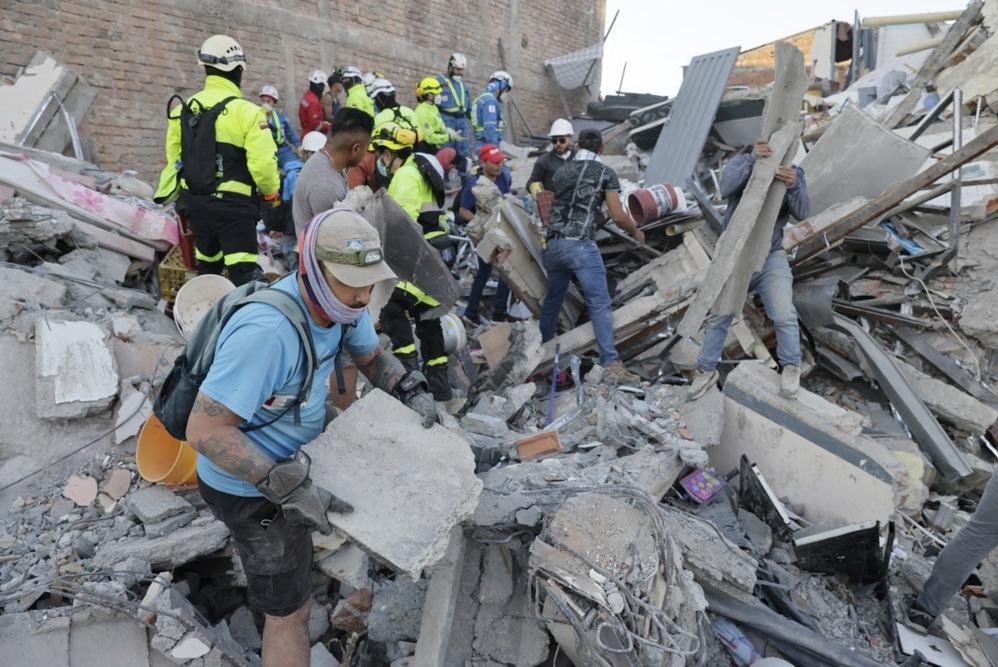
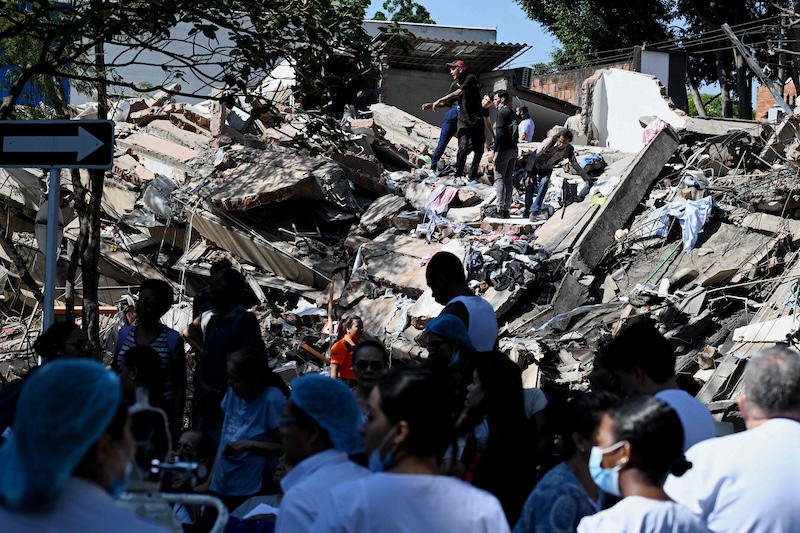
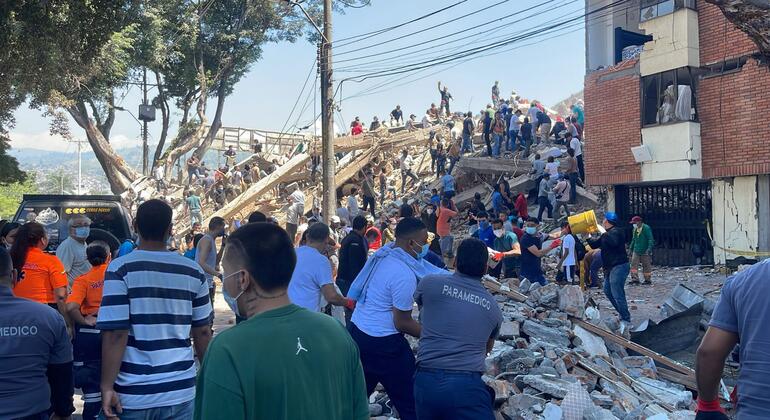
According to latest official figures, the 7.4 magnitude quake has left more than 200 dead and injured over 2,500, said UN Deputy Spokesperson Farhan Haq, briefing journalists in New York. Homes and public infrastructure have also been severely damaged. Humanitarian assessments are ongoing, particularly in the hardest-hit areas around Cali, Pereira, Manizales and Quibdo, where disruptions to communications, transport and public services continue to impede relief operations.Children face ‘growing risks’“Children have seen their homes and schools damaged and are facing growing risks as essential services remain disrupted in the hardest-hit communities,” said, UNICEF’s Country Representative, Tanya Chapuisat.The top children’s agency official in the country said UNICEF was mobilising “an early response in Chocó and Buenaventura in water, sanitation and hygiene to help reduce public health risks and protect the dignity of affected families while essential services are being restored and assessments continue."So far, the agency has reached 22,000 people in the Chocó and Buenaventura region along the Pacific coast – the epicentre of the quake – providing family hygiene kits, maternal care kits, menstrual kits and water storage tanks. UNICEF has been active in the Chocó region for over two decades, so it is coordinating its response with national and local authorities and partners. It is working with the Colombian Family Welfare Institute to strengthen child protection measures in the wake of the devastation.