By Chekwube Nzomiwu
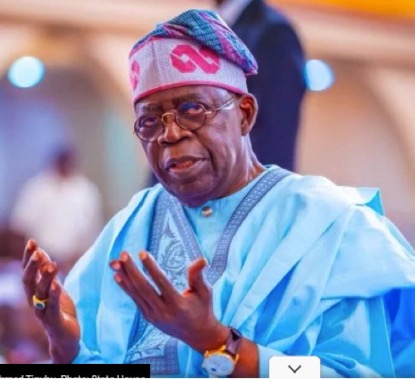
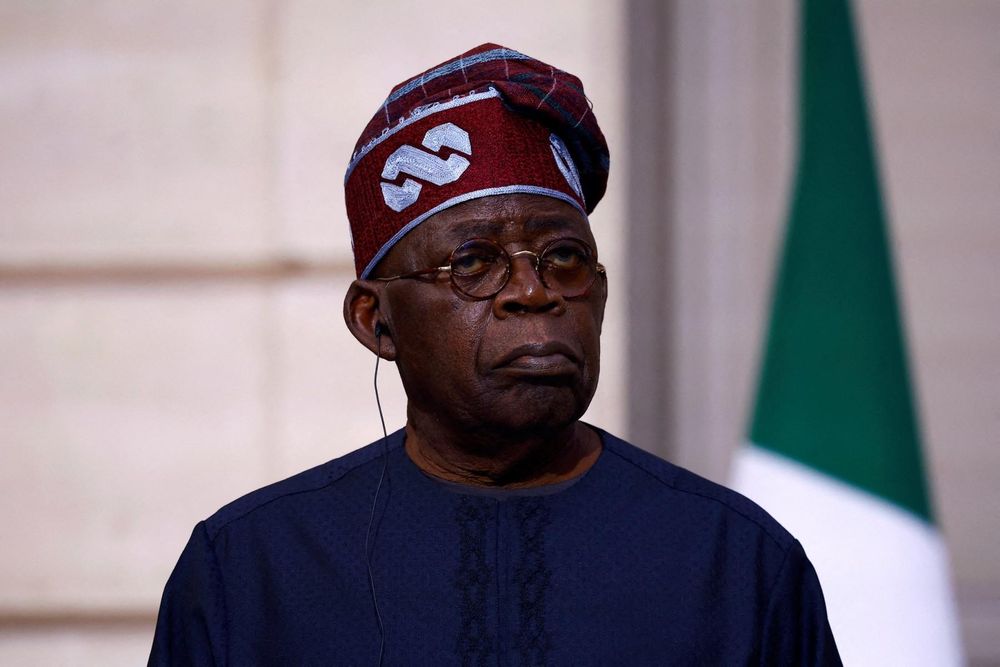
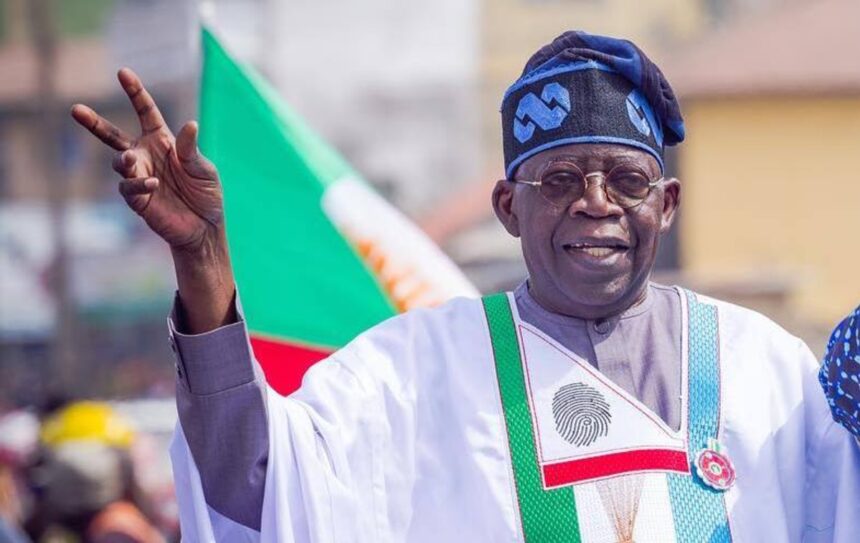
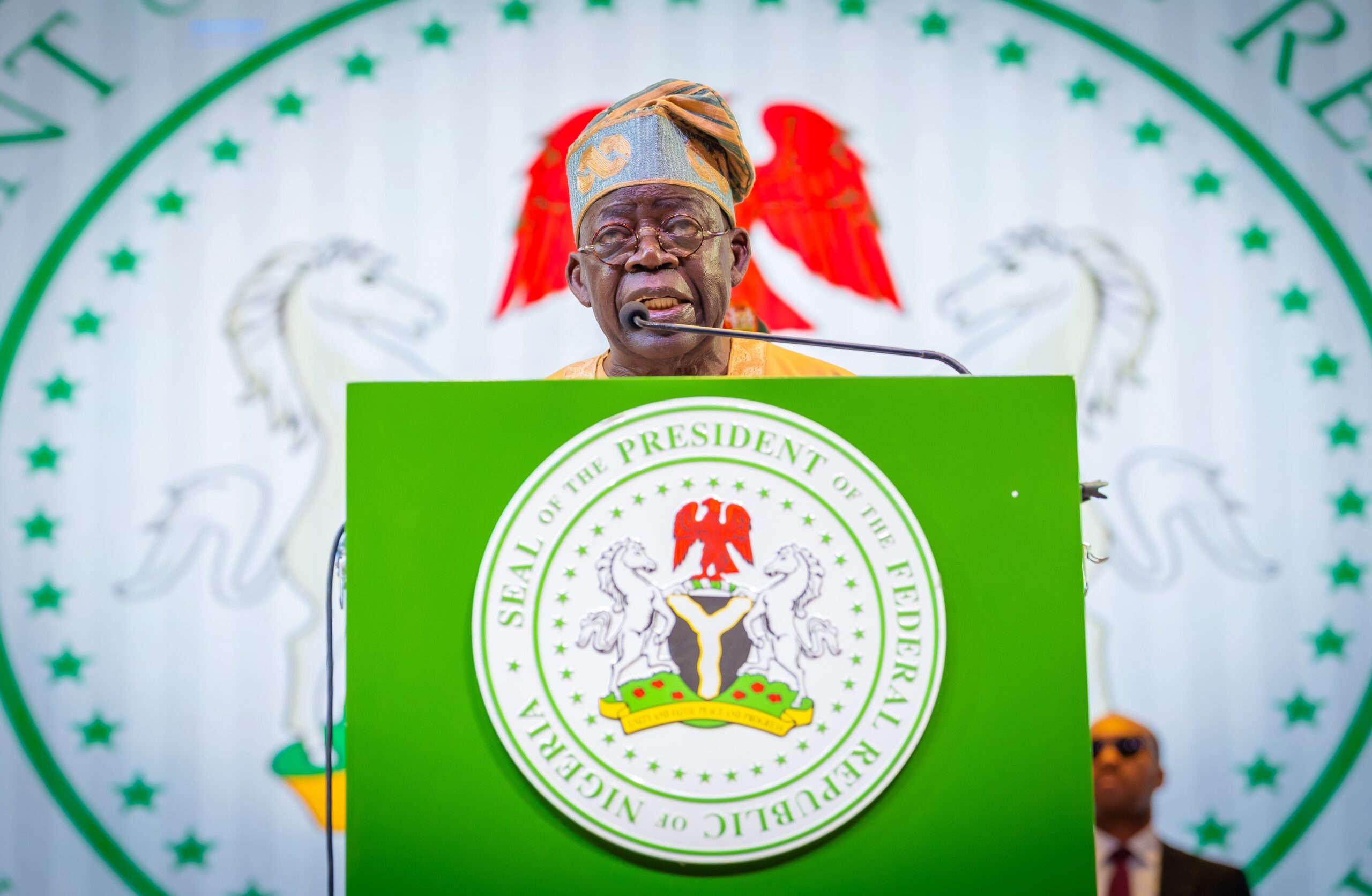
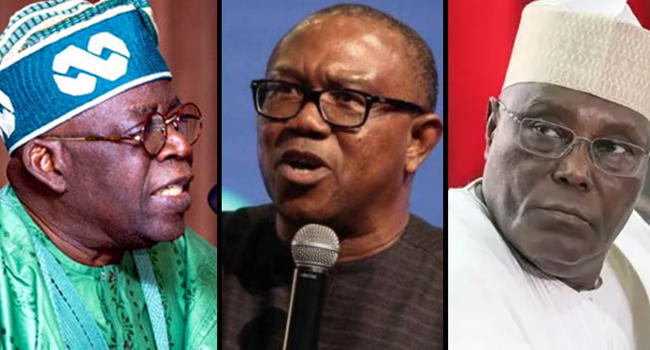
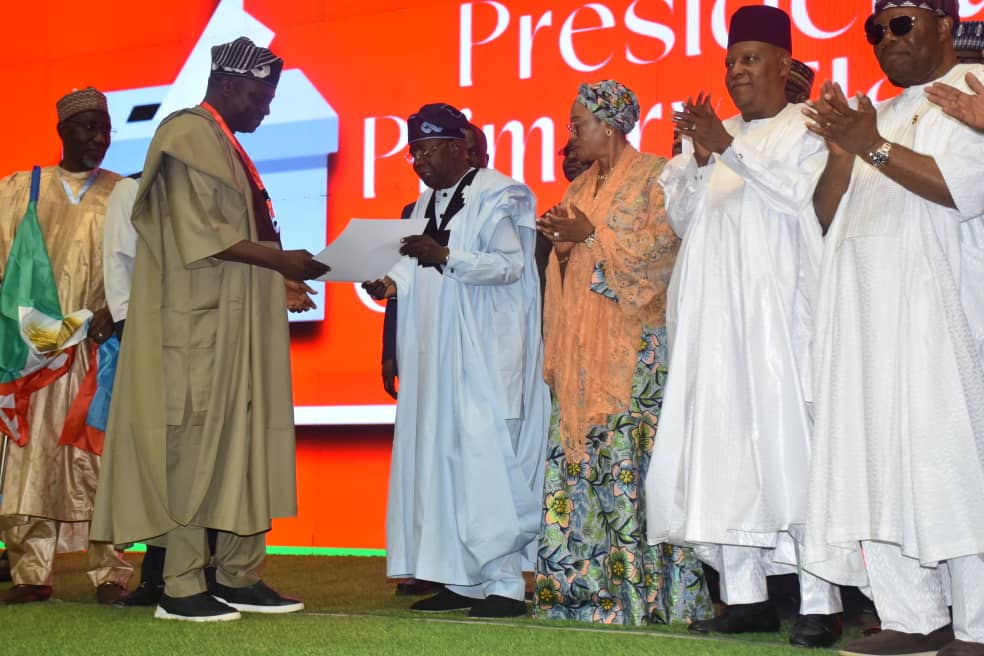
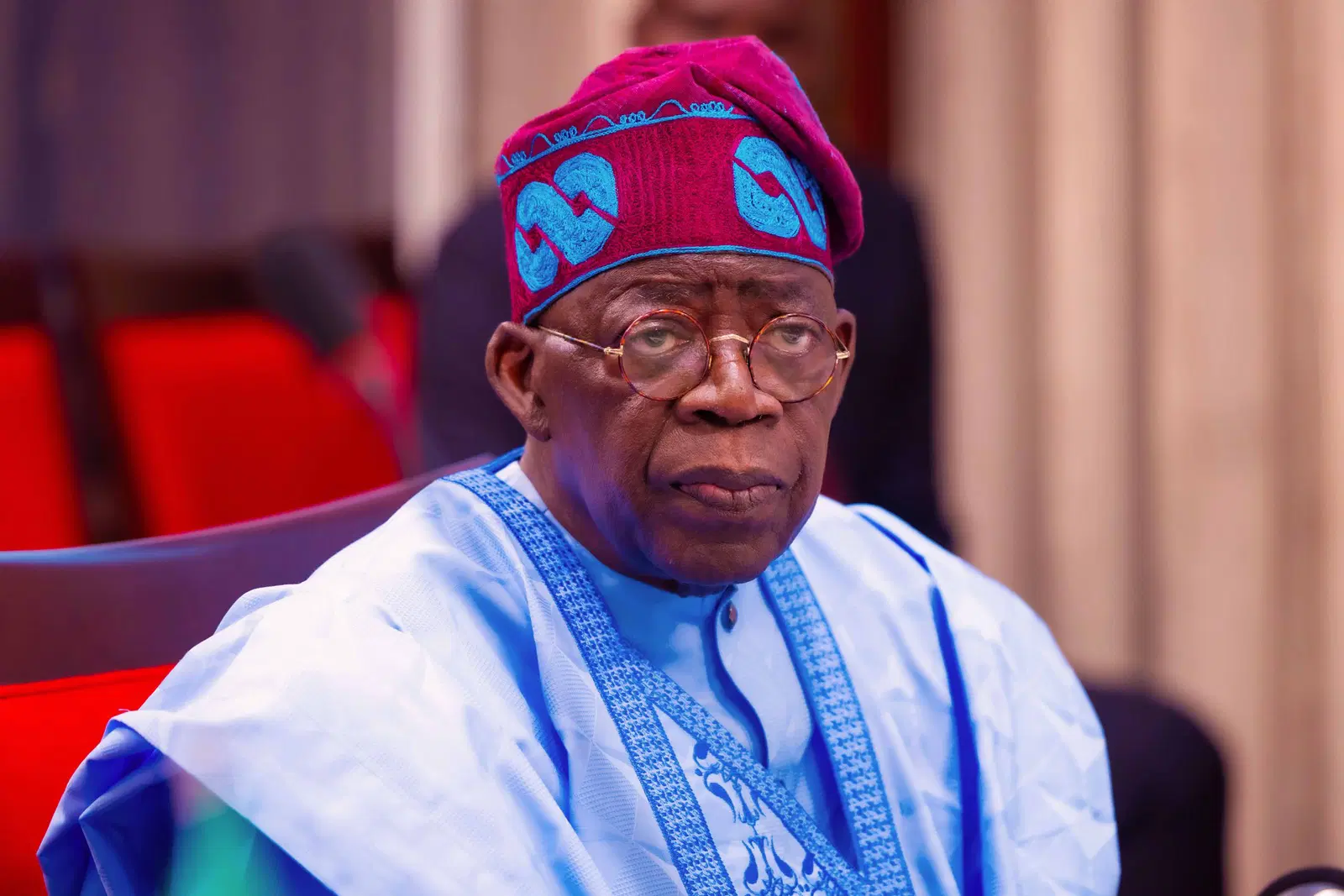
Campaigns for the 2027 general elections in Nigeria will soon commence, starting with the presidential and National Assembly campaigns. The ruling party, the All Progressives Congress (APC), will be campaigning for the re-election of President Bola Ahmed Tinubu for a second term in office. The 1999 Constitution of Nigeria (as amended) allows an incumbent serving a four year tenure to contest for a second term. In total, the constitution permits a maximum tenure of eight years for the President. Besides Tinubu, 18 other candidates are in the 2027 presidential race. Notable among them are Alhaji Atiku Abubakar of the African Democratic Congress (ADC), Peter Obi of the Nigeria Democratic Congress (NDC), Governor of Oyo State Seyi Makinde of the Allied Peoples Movement (APM), and Donald Duke of the Peoples Redemption Party (PRP).
Although political analysts generally view the forthcoming presidential election as a referendum on Tinubu’s government, I think it is going to be a referendum on the opposition as well. For the sake of those who are not familiar with the term “referendum,” it is simply a direct vote by the electorate on a proposal, law, or political issue. Two outcomes are expected from the January 16, 2027, presidential polls. It is either that eligible voters in Nigeria vote for Tinubu to continue in office for another four years, or they elect one of the other 18 presidential candidates to take over the mantle of leadership from him on May 29, 2027. That is if Nigerians are availed a free and fair atmosphere to exercise their franchise. The election is seen as a referendum on Tinubu’s government because “ceteris paribus” (all other things being equal), the people’s opinion about the government will decide the fate of the President. If they think the government has done well, they will surely vote for him to continue. If they think otherwise, they will elect a new President.