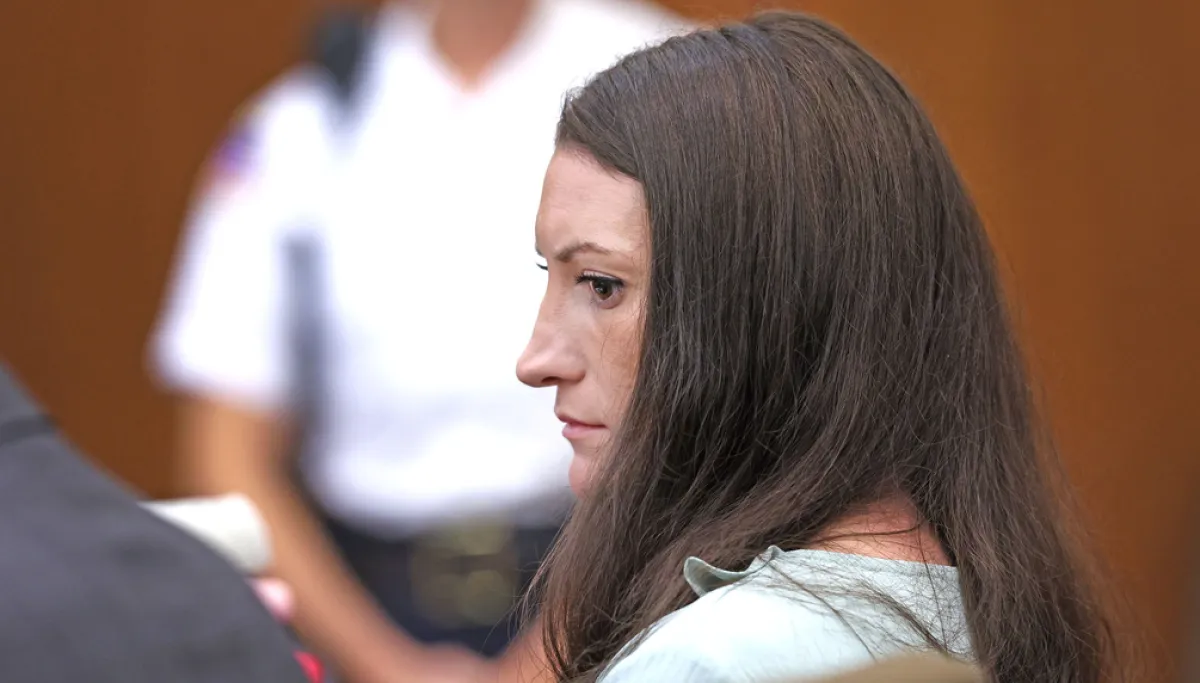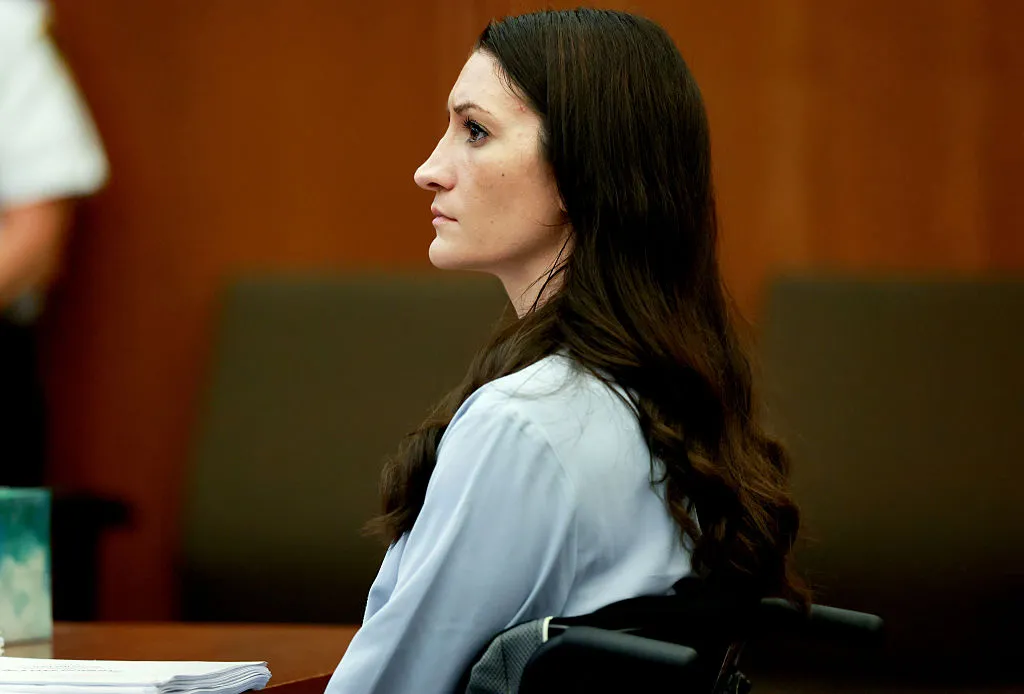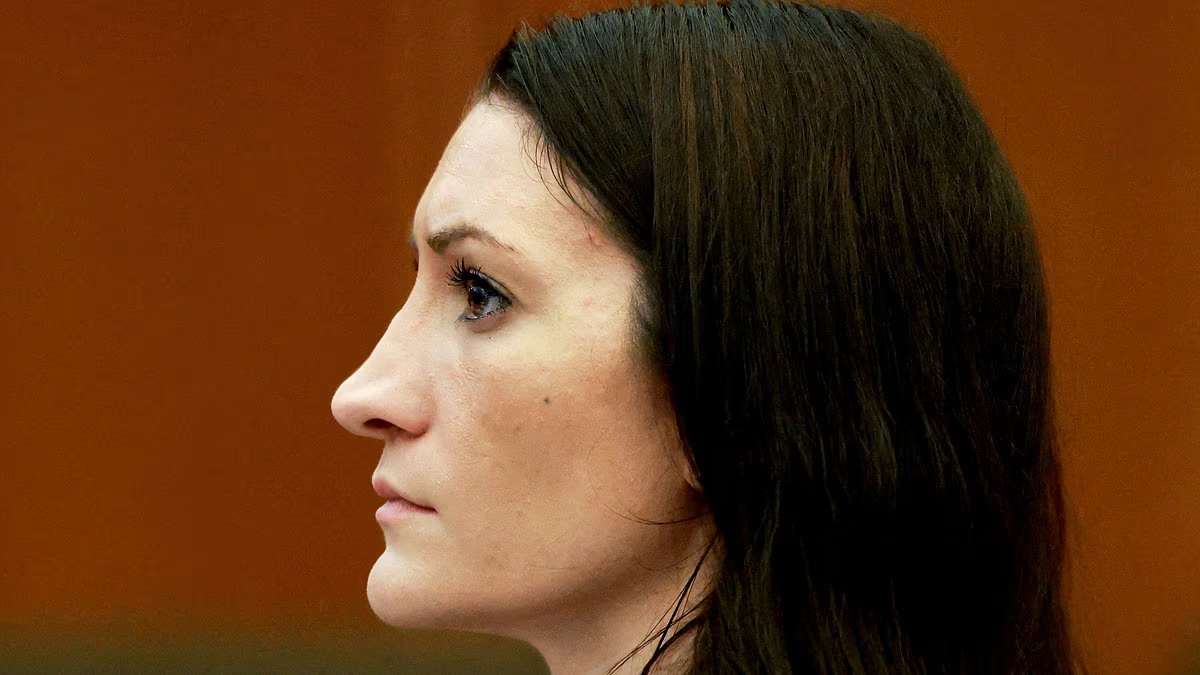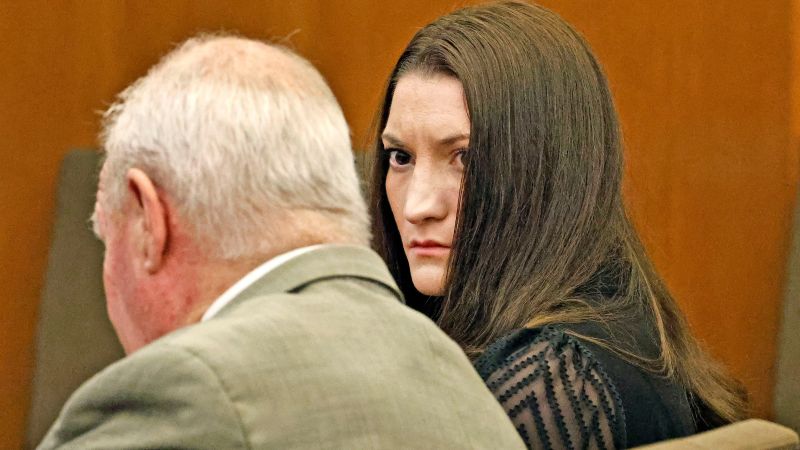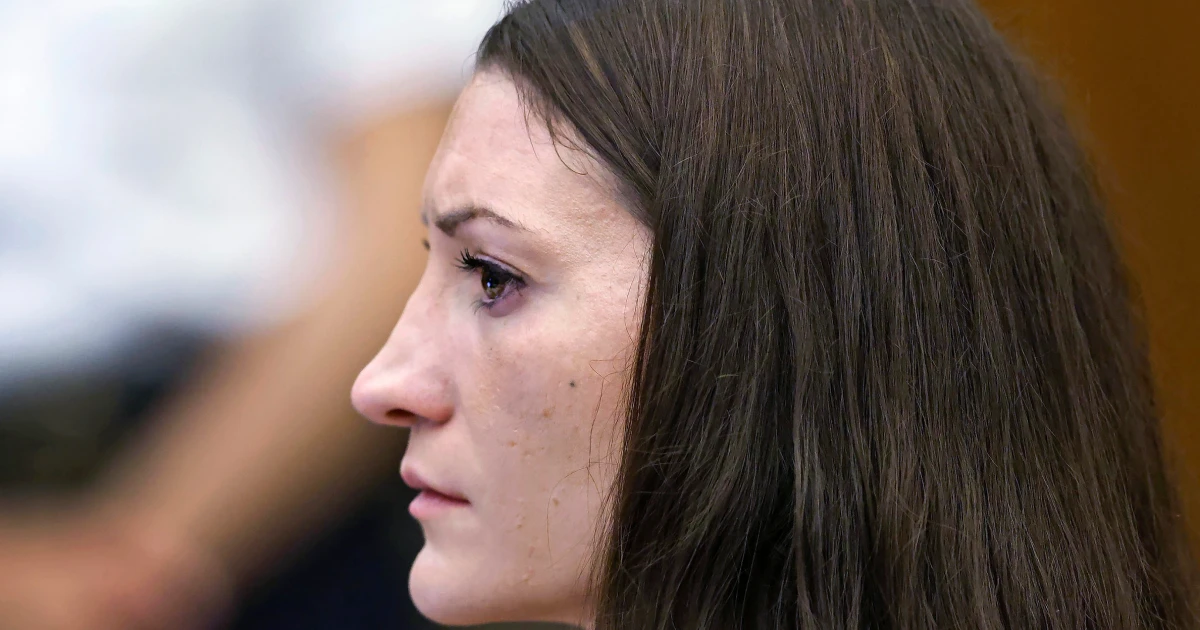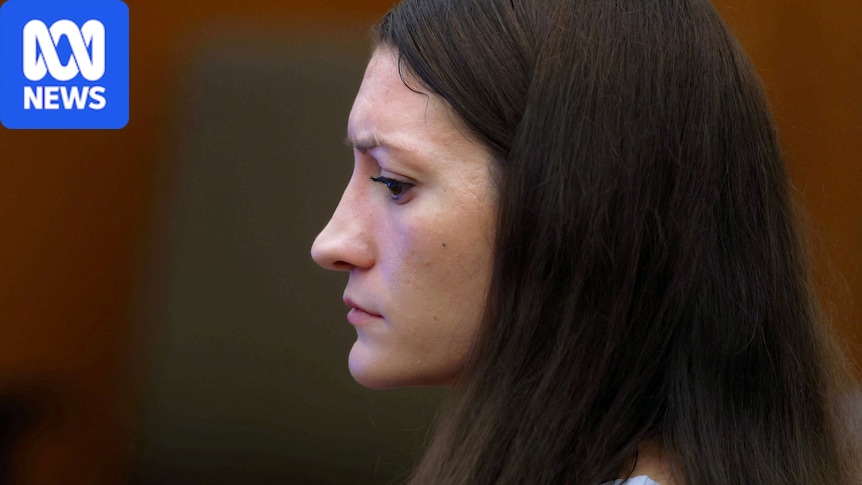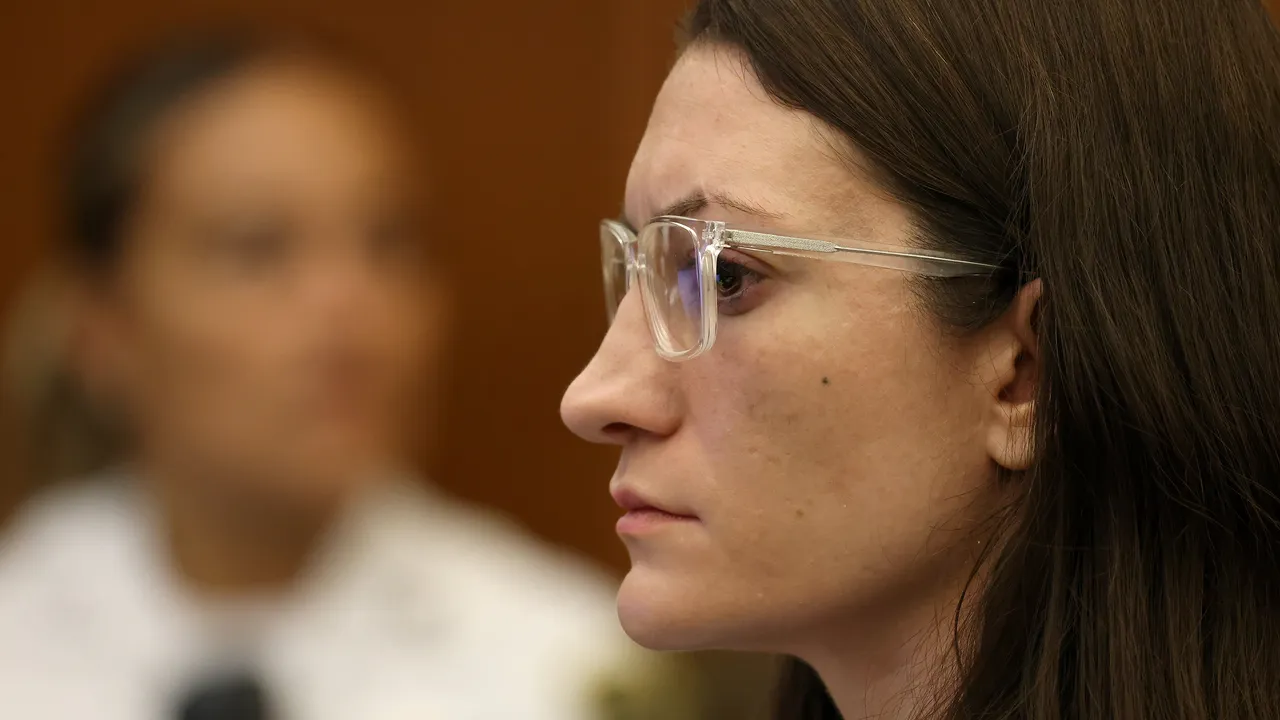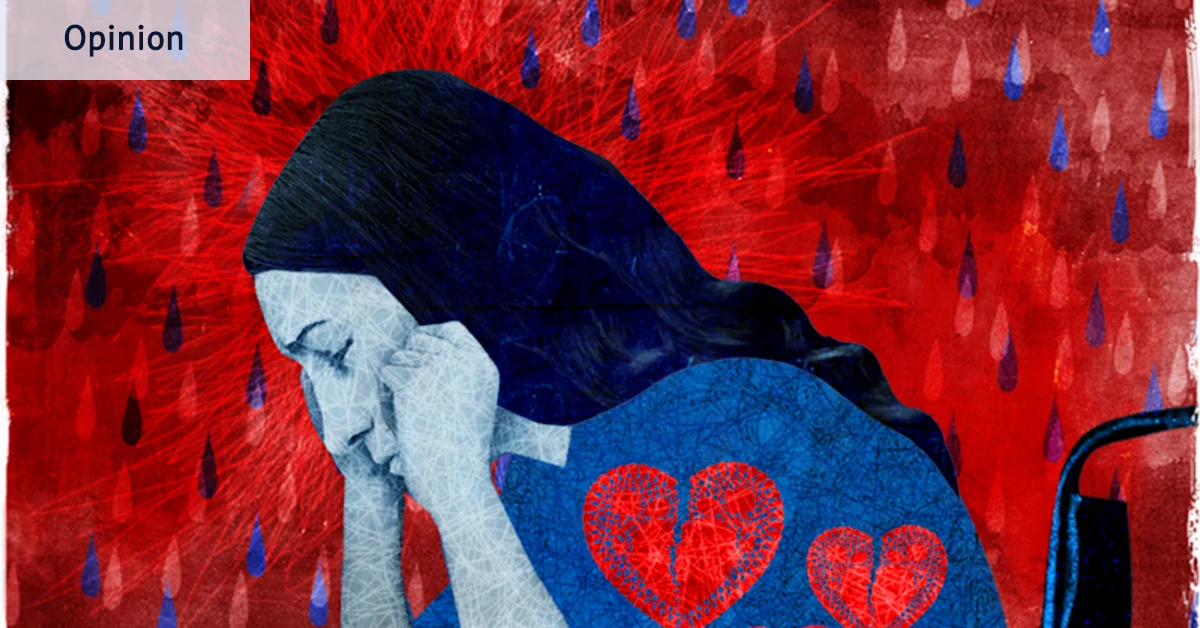
OpinionJulia BairdJournalist, broadcaster, historian and authorAugust 21, 2026 — 3:30pmAugust 21, 2026 — 3:30pmWARNING: DISTRESSING CONTENTIt was the heaving shoulders that unravelled me; the sight of a mother, bowed in grief at the death of her own three beloved children – deaths that, shockingly, occurred by her own hands.Lindsay Clancy was bent over in a court in Massachusetts, a curtain of black hair falling over her face, wracked with sobs as a medical examiner sat in the witness box detailing the extent of the strangulation injuries that killed her children. She has cried in court before, so much that the prosecution lawyers had been caught saying “shut her up” on a hot mic.Illustration by Dionne Gain It’s the most inexplicable, primally terrifying and devastating of crimes: a mother, who birthed and raised children she dotes on, one cold day, slaughters them.If you have missed this case unfolding in the US, here is the background.Clancy is a 36-year-old labour and delivery nurse, who had desperately been seeking help for wild moods, insomnia, depression, confusion, intrusive, racing and suicidal thoughts, hallucinations and delusions for months.Her mental health had grown worse after the birth of her youngest son.She called a suicide hotline, walked into an emergency service, went to a range of outpatient medical clinics, got prescriptions for 13 different medications, and signed herself into a psychiatric hospital for several days. She tried to get into a hospital clinic for women with post-natal mental health problems, but she was refused.Her condition worsened. Medical experts now believe she had an underlying bipolar disorder. She told her mother that she couldn’t sleep and was “really sick”. Her mother-in-law, Susan, testified in the murder trial that she was “begging for help”: “She had insomnia. She was losing her appetite. She was very anxious and sad.” But she was “very nurturing, very loving” with her kids.Lindsay Clancy speaks with her lawyer Kevin Reddington during proceedings in her murder trial.AP Photo/Josh ReynoldsOn January 24, 2023, Clancy asked her husband Patrick to go to the pharmacy and to pick up some takeaway. She then strangled all three of her kids, Cora, five, Dawson, three, and Callan, eight months. She then tried to commit suicide, cutting herself and diving out of a window on the upper floor of her house. She is now paralysed from the waist down. She has been appearing in court in a wheelchair.Her husband Patrick, who has since divorced Lindsay and remarried – too quickly for the likes of those supporting Lindsay on social media – told The New Yorker he didn’t “marry a monster”, but “someone who got sick”.The court case is centring not on whether she killed her kids – this is not in dispute – but whether she did so deliberately and therefore is criminally responsible. Clancy’s lawyers blame her postpartum psychosis and have pleaded not guilty to murder due to temporary insanity.A murder conviction would mean a life sentence without parole. If found not guilty because of diminished responsibility, Clancy would probably go to a state mental health institution.Prosecutor Shanan Buckingham asked jurors not to view the trial as “a public debate about women’s mental health and how the medical system treats women”.But that’s exactly what it has become – and this debate is important.Postpartum psychosis has not been officially recognised by the Diagnostic and Statistical Manual of Mental Disorders, known as the DSM-5, published by the American Psychiatric Association. Without inclusion, it can be hard to get funding, research or attention, let alone insurance coverage.The reaction to this case on social media has been feverish, illustrating two things. First, how many women feel belittled and ignored as patients and also as mothers, due to enduring ignorance of what having babies can do to a woman’s mind and body. This week, hundreds of pink-clad women gathered in support of Clancy, outside the courthouse, bearing slogans like “She Needed Help”, and saying things like: “Women are being dismissed, neglected and ignored when we speak up. We’re scared because nobody takes us seriously.”Supporters of Lindsay Clancy outside the courthouse where her murder trial is taking place.AP Photo/Josh ReynoldsSecond, the rapid conspiracies show how quickly misinformation and wild theories can spread when there is so much distrust in a system – in this case, women and medical professionals. One dominant, unevidenced theory is that Clancy’s husband set her up, made her think she was mad then killed the kids. All of this noise is at danger of distracting from the central issue of how to better understand and treat postpartum mental health.Even Clancy’s lawyer, Kevin Reddington, has become a pin-up, widely praised for his obvious concern for her, for the gentle way he speaks to her and the forceful nature of his defence.So, what to make of the fact that when Clancy called Patrick from hospital, she said a male voice told her that she didn’t have any choice, that she had to kill her kids, then herself? That a month before her mother said she came to her and Patrick and “told us she had thoughts of harming the children”?What is clear is that there have been many failures.Clancy is currently suing several medical practitioners and facilities for negligence.An academic study published last year found that “infanticide, neonaticide and filicide are most often linked with postpartum psychosis, which affects [one to two] women per 1000 births or 4000 women each year in the United States.” They estimate a 1 to 4 per cent risk of infanticide in women with postpartum psychosis.The authors said: “This temporary mental illness can lead to tragic outcomes when hospitalisation and crisis intervention is delayed, or the illness is misdiagnosed.” The legal system has not recognised a mounting body of scientific research on this, which, along with the lack of a DSM classification or postpartum criminal laws, they found, has “led to mentally ill mothers in the US receiving excessively harsh sentences when prosecuted, evidenced both in trial and sentencing.”Right now, Clancy is exposed. As Elizabeth Bruenig wrote in The Atlantic, the problem for the defence is that while Clancy seems to have been very sick, the jury could still consider her legally sane, “because the legal standard for insanity diverges from the clinical understanding of mental illness”.It’s difficult to watch, truly impossible to fathom. Just a few hours earlier, on January 24, Clancy had been building a snowman with her kids.Julia Baird is an author and a regular columnist.From our partners
It’s the primally terrifying case that’s gripping America. But is this mother a murderer or a victim?
In January 2024, Lindsay Clancy was building a snowman with her three children. Hours later, in the midst of a postpartum psychotic episode, she strangled them.
1,072 words~5 min read