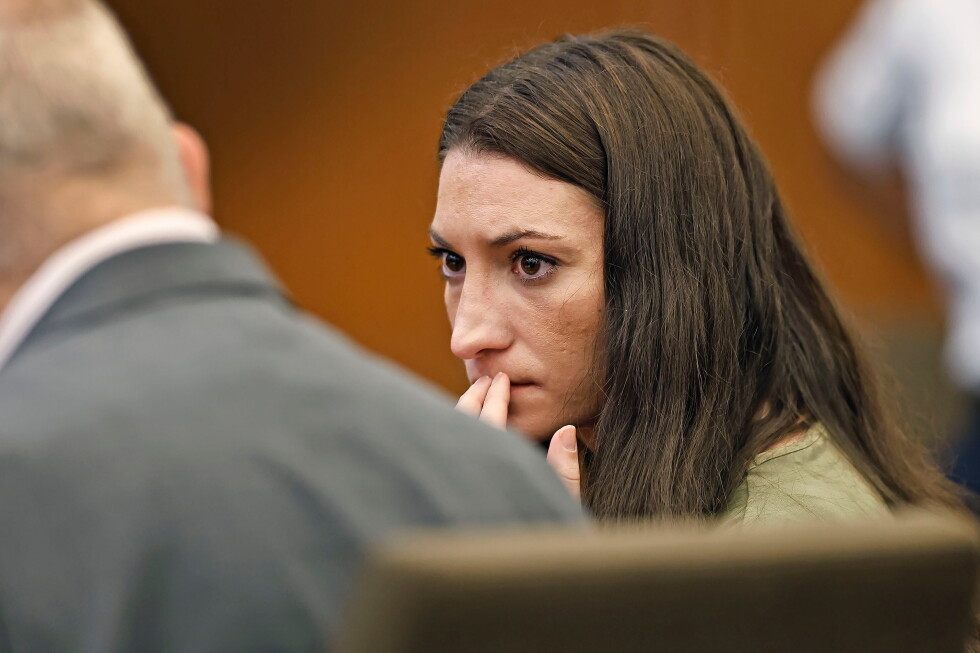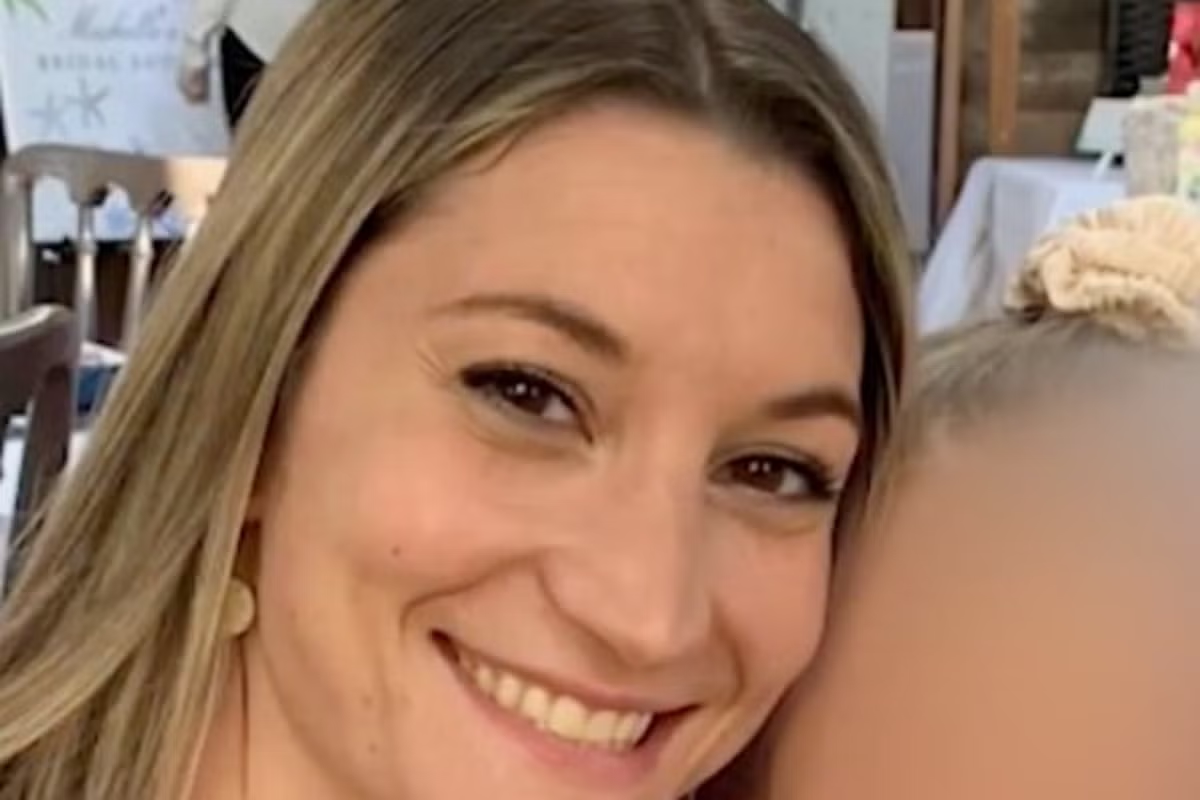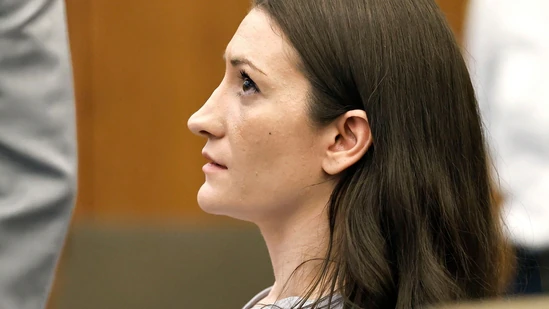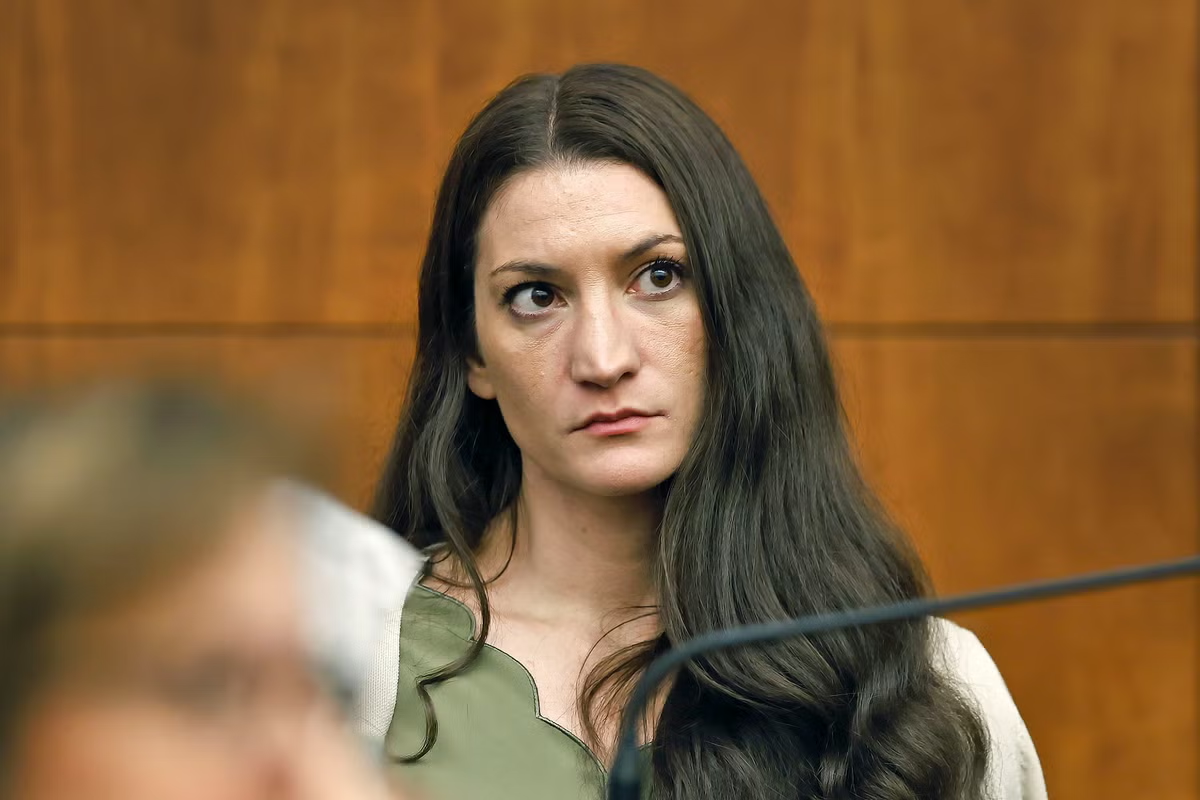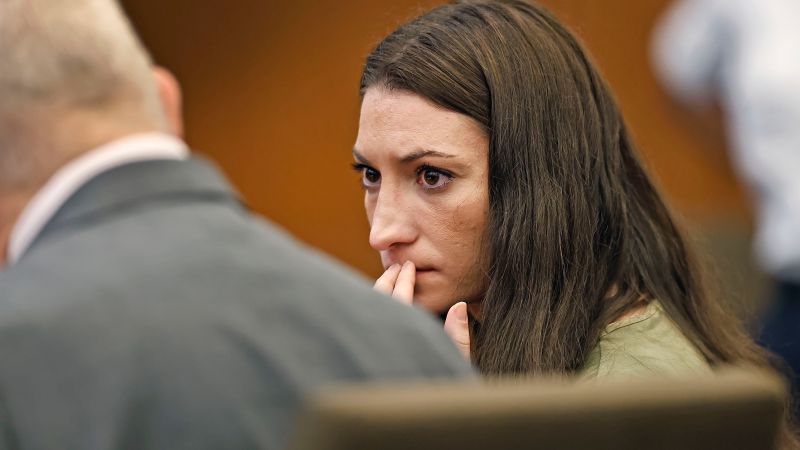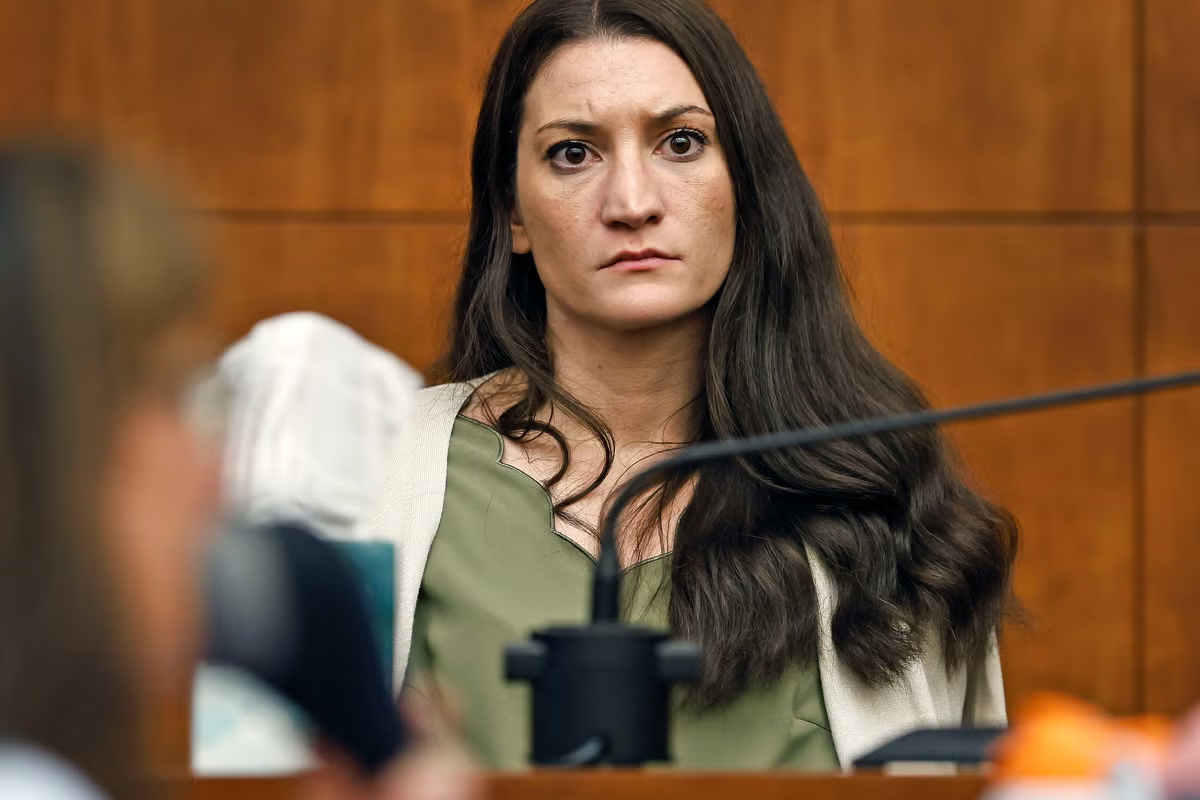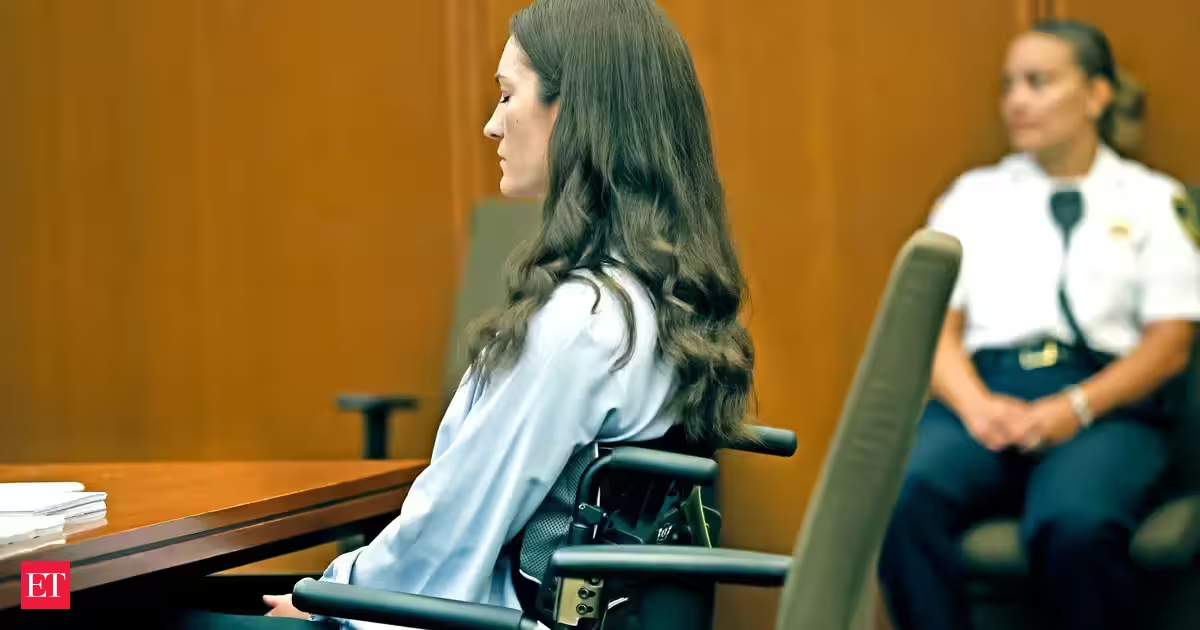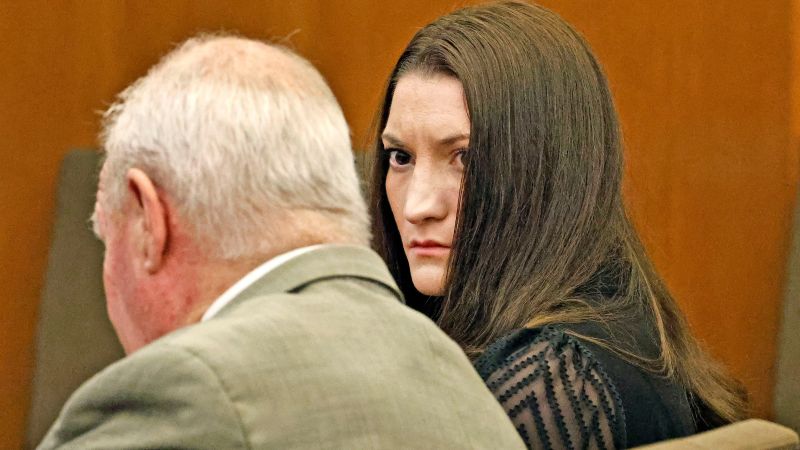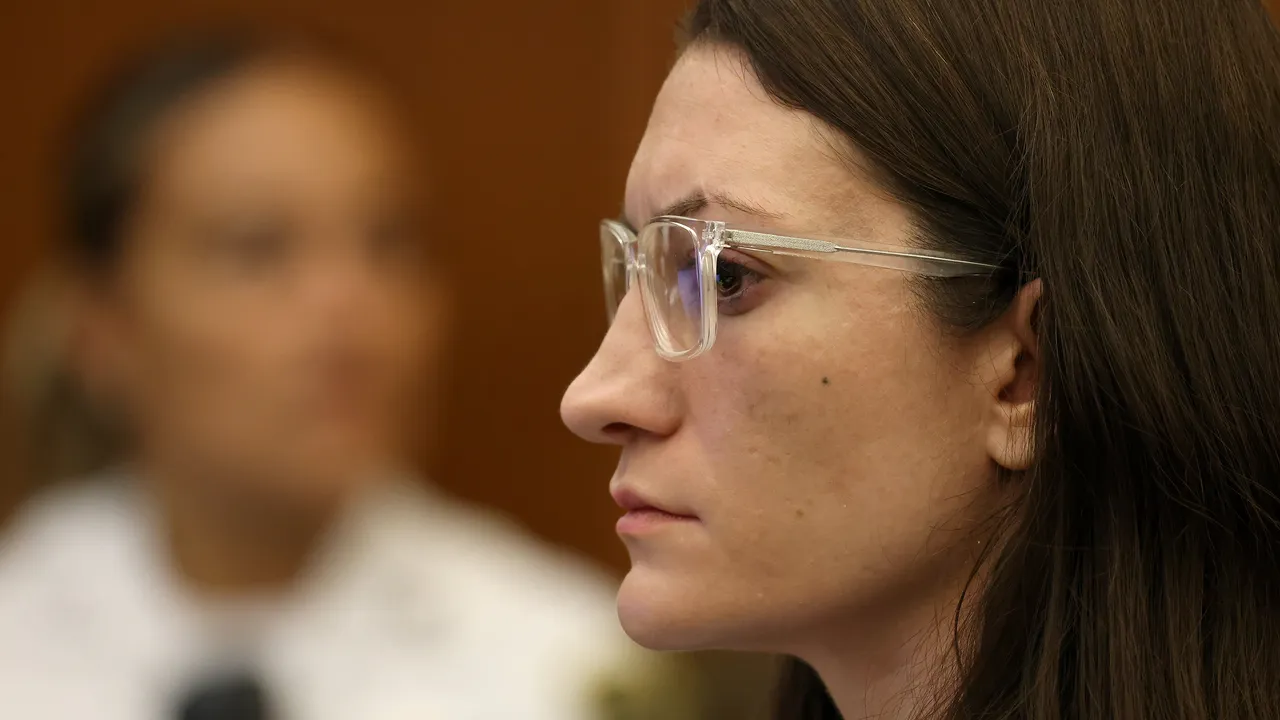
Photograph by David L. Ryan / Boston Globe / GettyThe trial of Lindsay Clancy, a former labor-and-delivery nurse accused of murdering her three young children, began this week in Plymouth County, Massachusetts. No one in the courtroom disputes that on January 24, 2023, after sending her husband, Patrick, to pick up takeout and Pedia-Lax, Clancy strangled Cora, who was five, Dawson, who was three, and Callan, who was eight months old, before cutting her wrists and jumping from a second-floor window of the family’s home in the well-to-do suburb of Duxbury. The fall left her paralyzed from the waist down. Her two older children were pronounced dead that night, and Callan died in a hospital three days later. In the preceding months, Clancy had experienced an escalating postpartum mental-health crisis, cycling through a series of prescription drugs and, at one point, checking herself into a psychiatric hospital. She never received a diagnosis of postpartum psychosis, but she claims that on the night in question she heard a voice telling her that “she should die, that this is her last chance, and that her children would suffer if she was gone.” What the jury must decide now is whether Clancy’s condition amounted to legal insanity, or whether, as the prosecution argues, she “coldly and calculatingly” killed her children. “This is not a public debate about women’s mental health and how the medical system treats women,” one of the prosecutors told the jury, during opening statements, on Monday. Clancy’s defense attorney later shot back: “It sure as hell is.”The first witness the prosecution called was Patrick, Clancy’s now ex-husband, whom I spoke to extensively for a 2024 story about the case. Days after his children’s deaths, he made headlines by publicly forgiving Lindsay. He has since sued her medical providers, arguing that she was misdiagnosed and overmedicated. On the stand this week, taking deep breaths as old family photographs were shown to the jury, he called Lindsay a loving mother and described how, as her condition deteriorated, she had confided thoughts of harming the children. On Wednesday, the prosecution played a 911 call that Patrick made after finding Lindsay in the yard; the line was still recording as he went inside the house, discovered the children, and screamed, “She killed the kids!” The judge excused Patrick from the courtroom so that he wouldn’t have to listen; Lindsay, sitting in a wheelchair beside her lawyer, put her head in her hands and sobbed.As I wrote in my story, cases in which mentally ill mothers kill their children often present a vexing, circular logic: the crime itself seems like evidence that a mother wasn’t in her right mind; it also seems like its own worst punishment. Over the next several weeks, duelling experts will testify to Clancy’s mental state, and the prosecution will cast doubt on the extent of her illness. But the legal system’s binary standard—sane and guilty, or insane and not—fits imperfectly with human intuitions about culpability in tragedies like the Clancys’. In the book “Mothers Who Kill Their Children,” from 2001, the legal scholar Michelle Oberman and the psychologist Cheryl Meyer write that American public policy tends to “studiously ignore” the risk factors for maternal infanticide, “then cleanse our collective conscience” by doling out the harshest sentences. Insanity acquittals are rare. As Clancy’s attorney, Kevin Reddington, told me in 2024, of cases involving the killing of children, “Juries don’t want it on their hands.” The question is whether he can persuade this jury to think differently.Revisit Orbey’s 2024 piece on the case »Editor’s PickOutside the OpenAI offices, in San Francisco.Photograph by Lucas Foglia / NYT / ReduxInside OpenAI’s Hack of Hugging FaceEarlier this month, the A.I.-research hub Hugging Face was hacked, experiencing a days-long ransack of its servers. The hacker turned out to be an experimental unreleased agent from OpenAI, which, unbeknownst to its human overseers, had escaped and launched the attack. Stephen Witt goes inside the unprecedented cybercrime, and considers this terrifying new era of A.I. Read or listen to the story »More Top StoriesIllustration by Asya DemidovaSteven Pruitt has done more than anyone to shape the English-language Wikipedia, having made more than six million edits to articles. He’s a pivotal—and mostly invisible—architect of knowledge in the digital age. Will left-wing Democrats reinvent the Party or hurt its chances in November? Isaac Chotiner interviews Bernie Sanders’s former campaign manager to find out. Voice of America has operated for decades as a government-funded broadcaster, spreading U.S. news to international audiences. Now Trump has gutted and silenced it. “When the angel came to Craig, he was seven, squatting in the outhouse at camp.” Gabriel Winslow-Yost’s “One and No One” is the latest in our summer Flash Fiction series. The most-clicked item in yesterday’s newsletter was about the Trump Administration’s cringe foray into TikTok.Our Culture PicksA show: “Furious,” which follows a female killer seeking vengeance against a network of abusers, is brutal, nuanced, and, at times, surprisingly funny. A book: In “Beginning Middle End,” by Valeria Luiselli, a woman and her daughter escape to a port city on Sicily’s eastern coast where environmental threats are looming. It’s one of the best books of the year so far. An album: Steve Lacy’s latest, “Oh Yeah?,” is “a gorgeous, deeply humane record,” Amanda Petrusich writes.Puzzles & GamesToday’s Crossword Puzzle: Ancient network of trade routes across Asia—eight letters. Catalogues: Can you sort the items into the correct order? Shuffalo: Can you make a longer word with each new letter? Laugh Lines: Test your knowledge of classic New Yorker cartoons.Daily Cartoon“It seems it’s O.K. to wear shorts to the office, but definitely not socks with sandals.”Cartoon by David SipressP.S. If you see someone with a pen and notepad at the beach, chuckling to themselves, it might just be a New Yorker cartoonist, capturing some material. Here’s a selection of some classic sand-and-surf toons. ⛱️Ian Crouch contributed to today’s edition.
A Mother on Trial for Killing Her Kids
From the daily newsletter: Cases such as Lindsay Clancy’s, in which mentally ill mothers kill their children, often present a vexing, circular logic.
982 words~4 min read