Academia
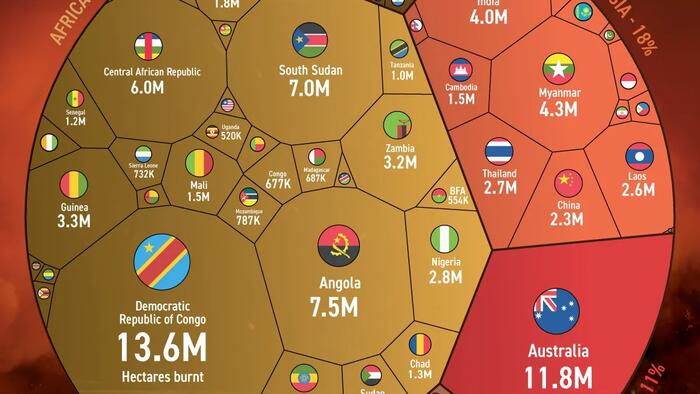
Despite apocalyptic headlines and political rhetoric, global satellite data reveals the planet is on track for its quietest fire season in more than a century.
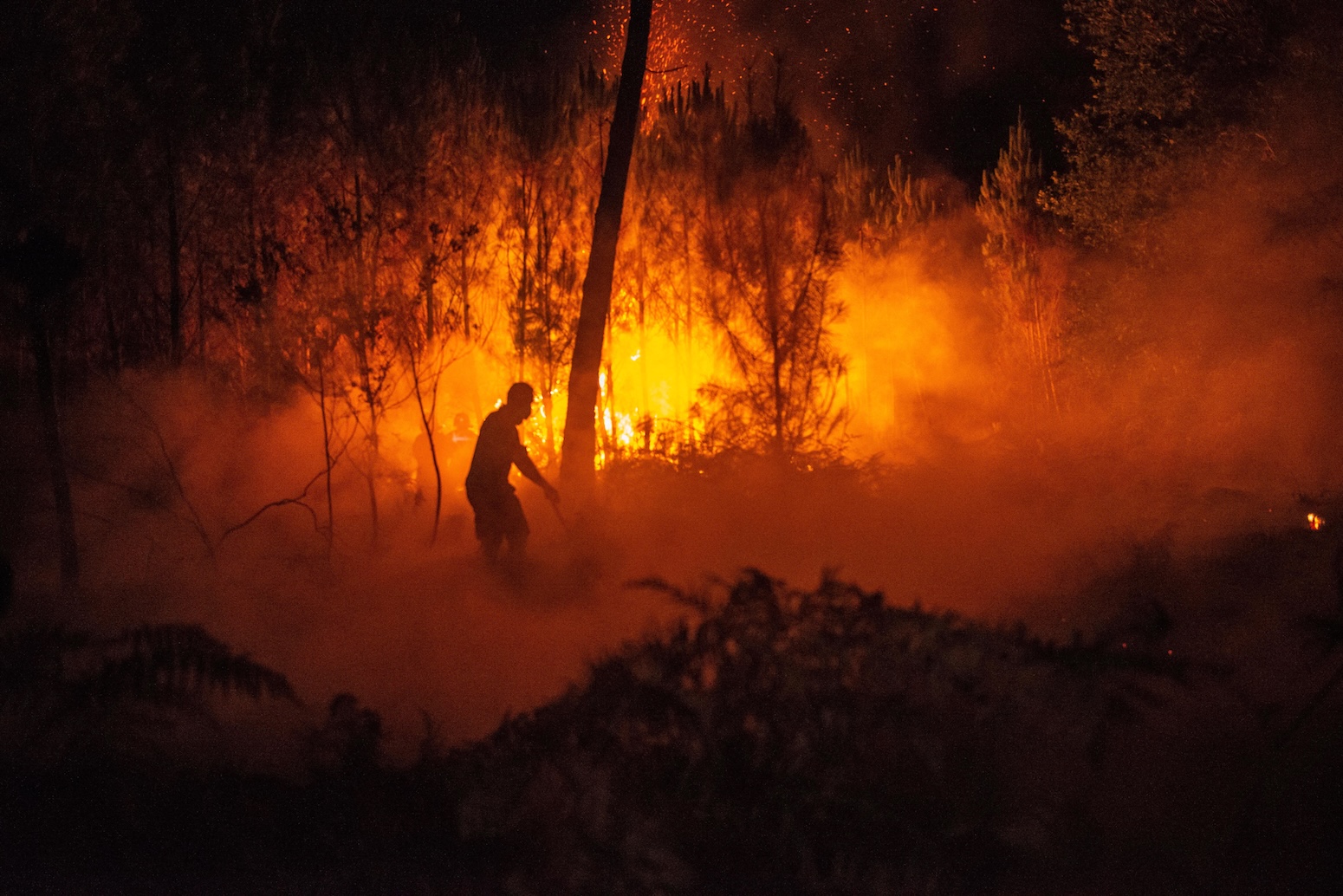
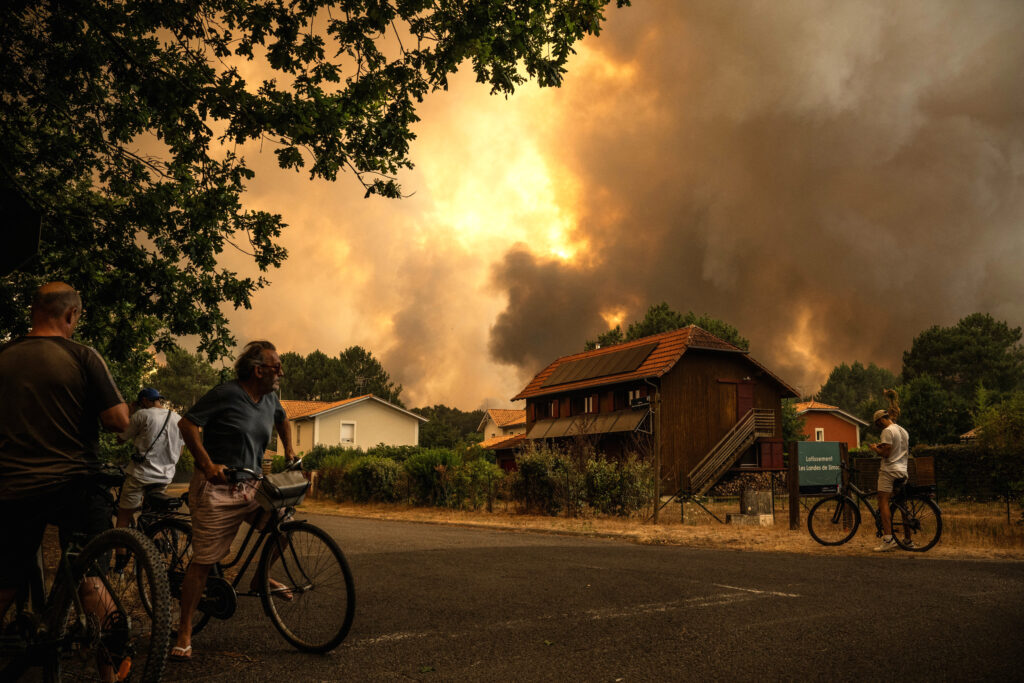
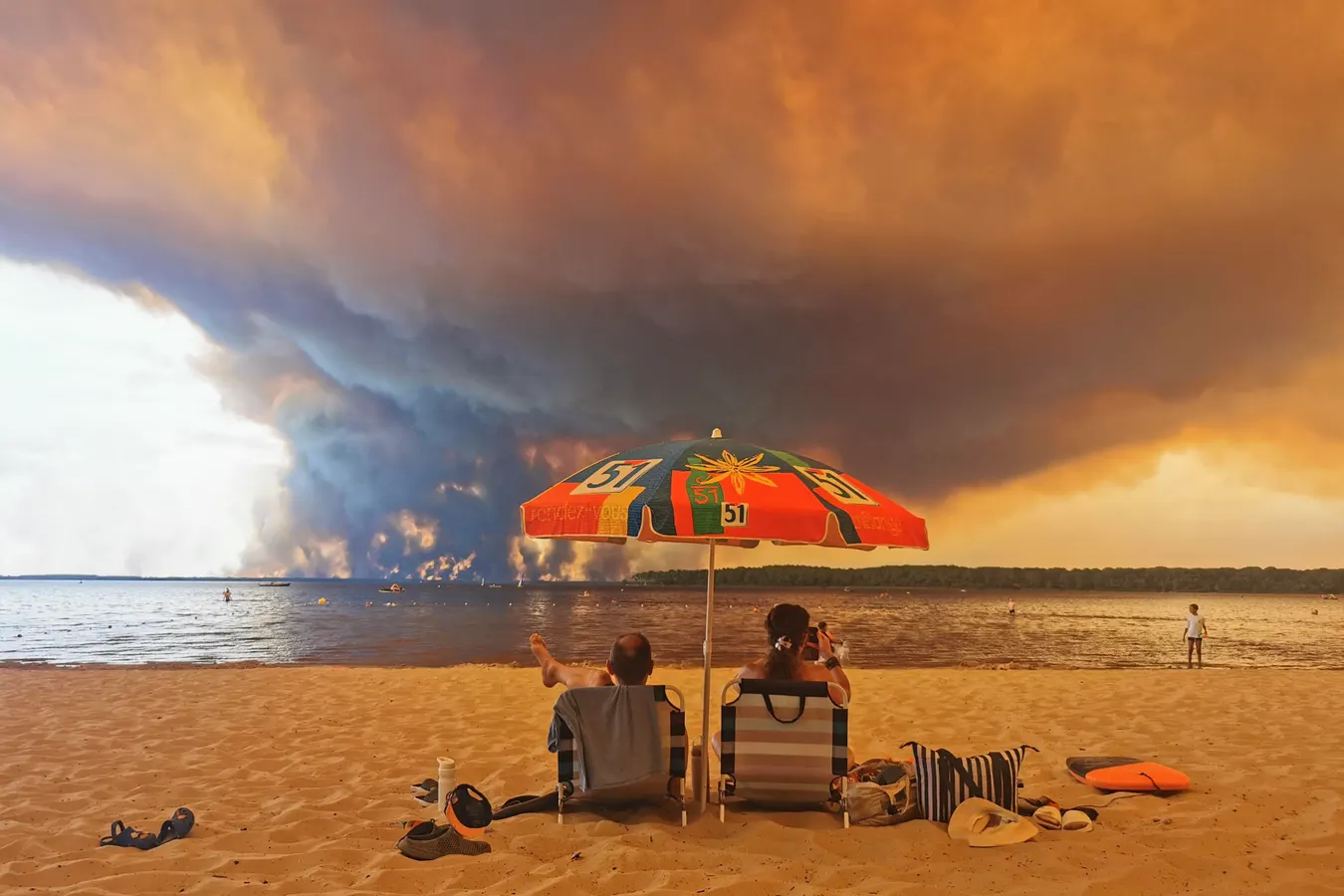
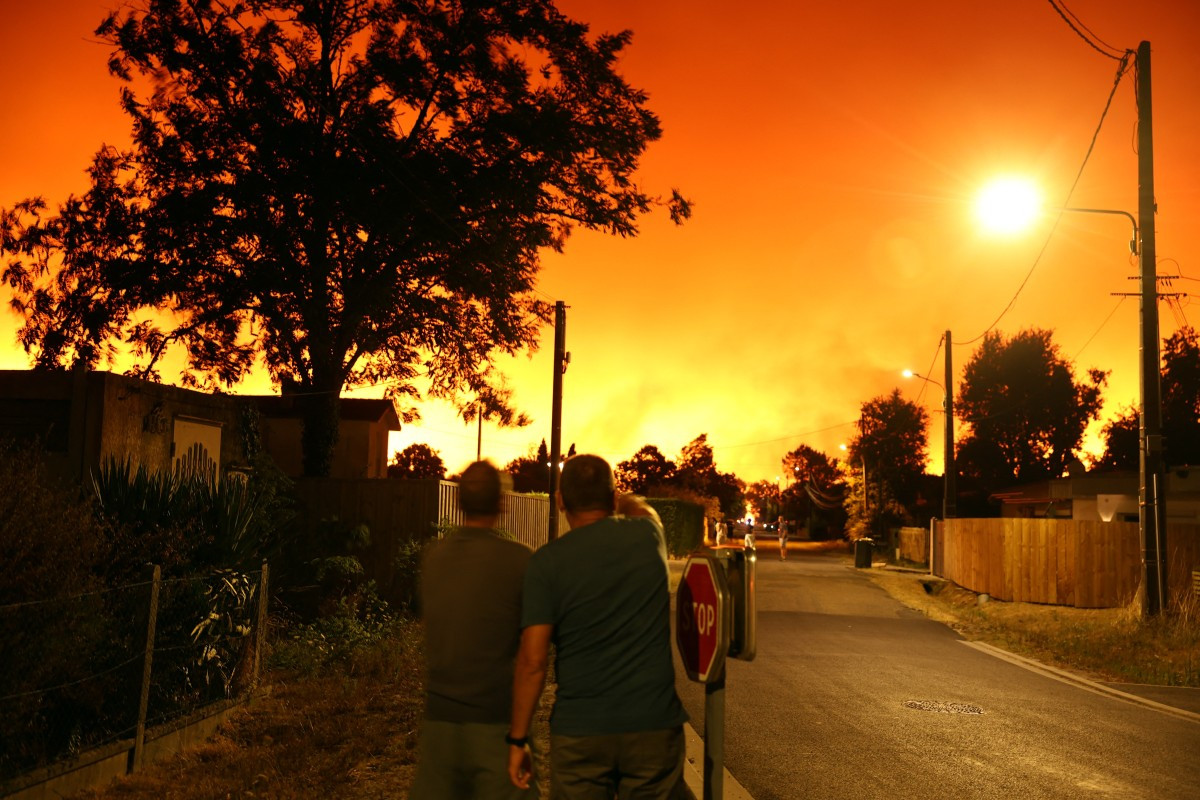
Residents look at the sky illuminated by wildfires in Le Porge, south-western France early on July 23, 2026. A fast-moving wildfire has burned 900 hectares north of Arcachon Bay in southwestern France, forcing the evacuation of more than 4,000 residents and tourists. (AFP/Romain Perrocheau)
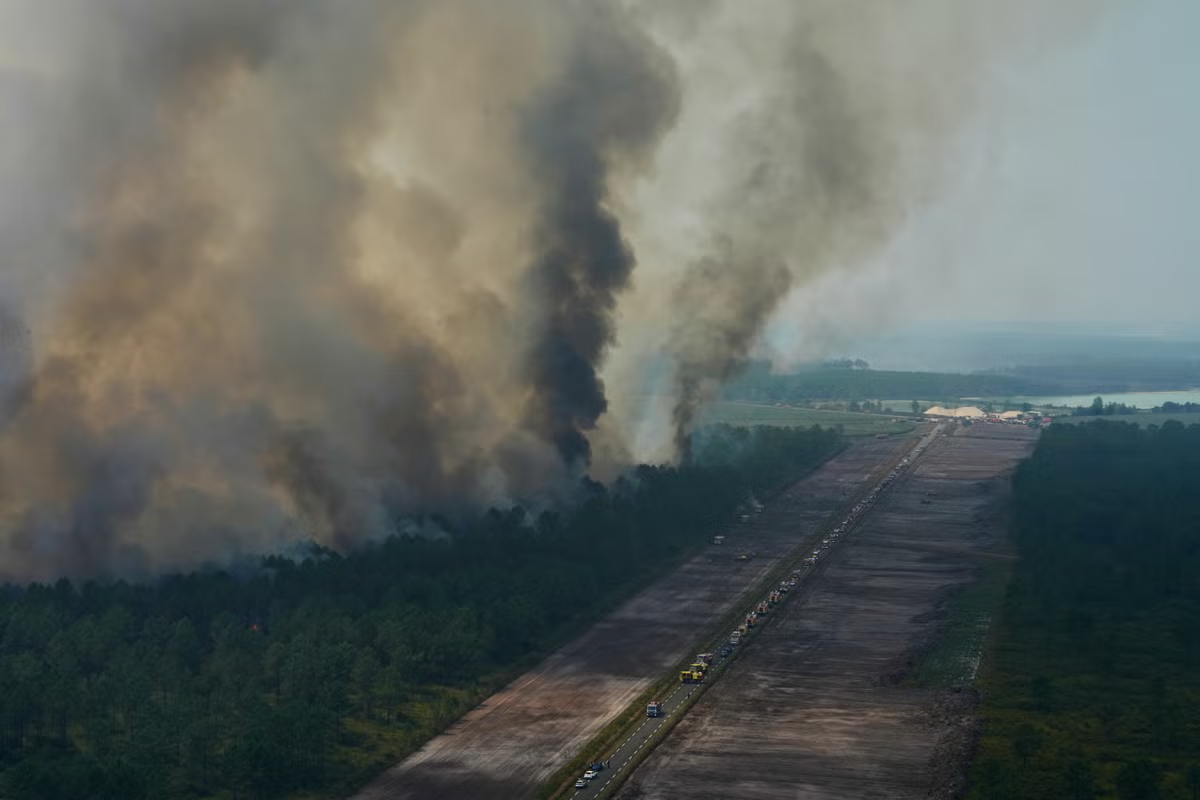
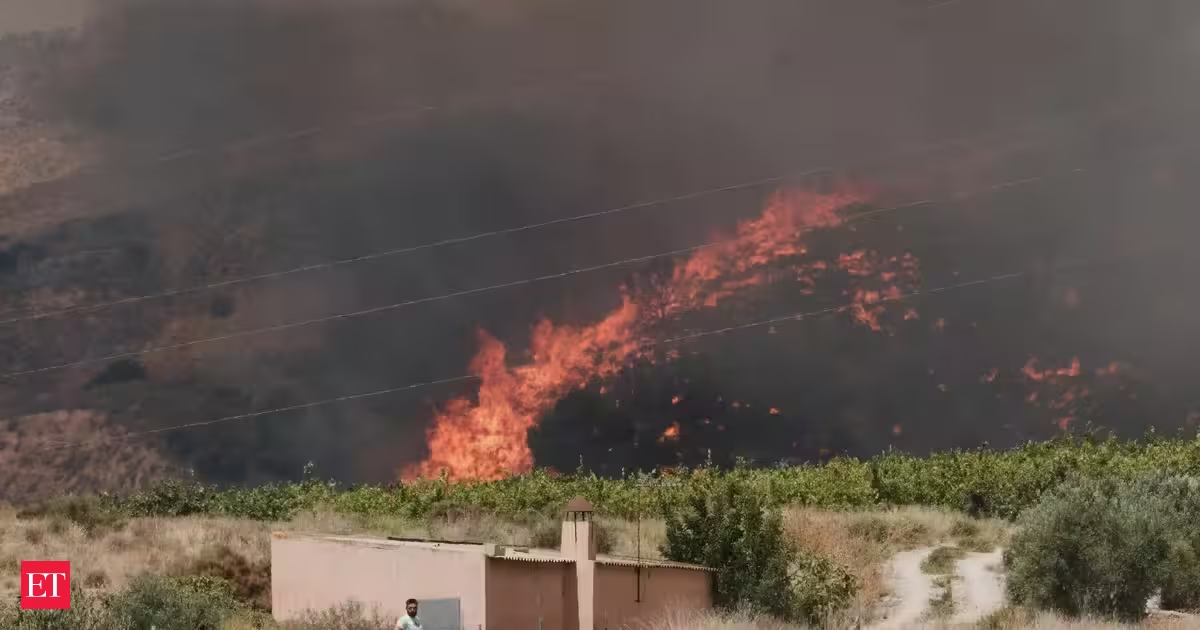
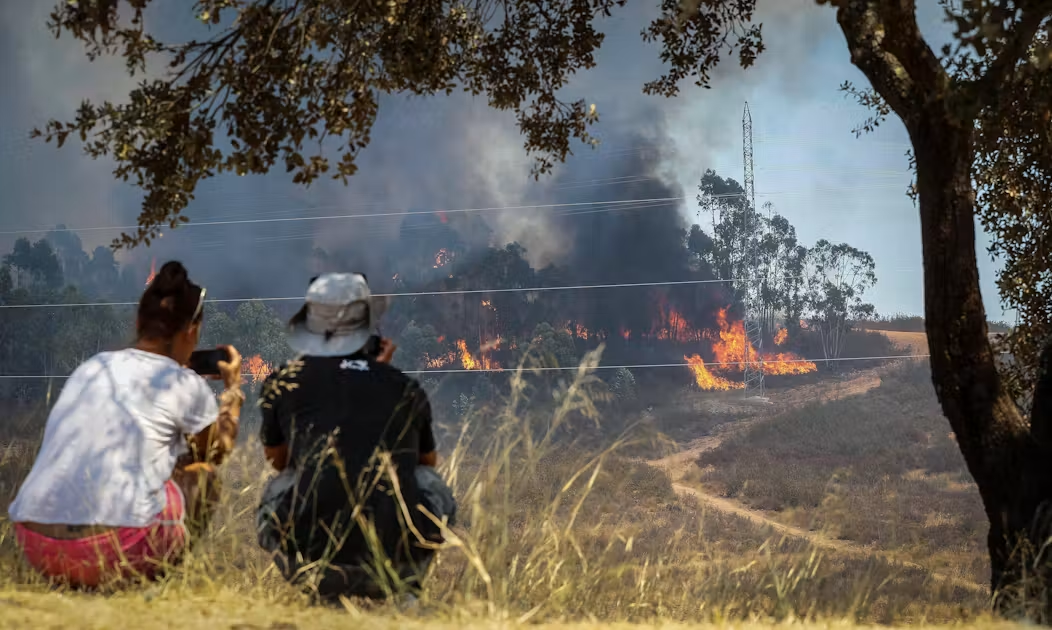
The recent wildfires across France and Spain have been genuinely devastating. West of Bordeaux, over 220,000 people were forced to flee advancing walls of flame. Outside Madrid, blazes tore through an area twice the size of the capital, displacing nearly 90,000 residents. The families who lost their homes and livelihoods deserve our deepest empathy, and vastly better land management.What they do not need is the predictable climate lecture that trails every rising plume of smoke. Spanish Prime Minister Pedro Sánchez swiftly labeled the fires a “painful expression” of climate change. A joint statement from the United Kingdom and Spanish governments went further, declaring climate change a “national security emergency” threatening our entire way of life. The political verdict landed before the embers had even cooled: only eliminating fossil fuels can stop the burning.