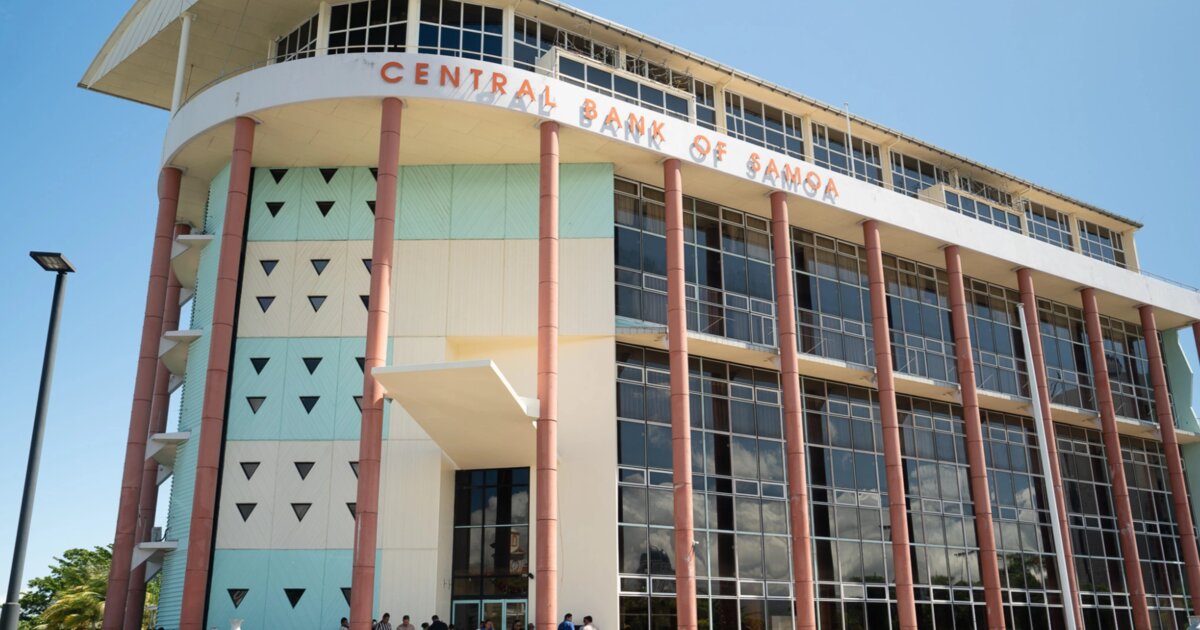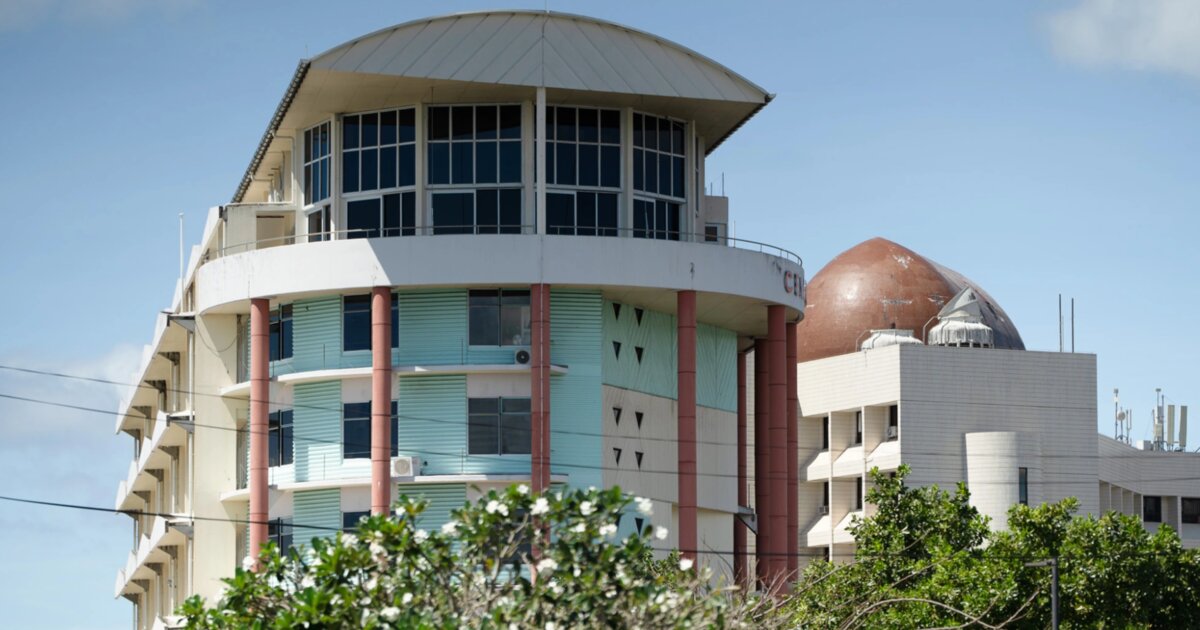
Dear Editor,I write to express my concern about the Central Bank Amendment Bill 2026 and despite strong opposition from the opposition party and independent members. In particular, the implications it may have for the independence of the Central Bank of Samoa, the regulation of cryptocurrency and securities, and Samoa’s ability to protect its financial system from money laundering and fraudulent investment schemes.This is an issue that deserves serious public debate because the Central Bank is not simply another government institution. Under the Central Bank of Samoa Act 2015, the Bank has important responsibilities for monetary stability, financial supervision, regulation of commercial banking and credit, and measures to prevent and combat money laundering activities including the financing of terrorism.The Governor of the Central Bank must be able to make decisions based on economic, law and financial evidence, without political pressure from politicians or fear of removal for making decisions that may be unpopular. Central-bank independence is essential for public confidence in monetary policy, banking supervision and the stability of Samoa's financial system.Any amendment that weakens the Governor's independence, concentrates excessive influence over the Bank in political hands, or makes the Governor vulnerable to arbitrary removal should therefore receive very careful scrutiny by Parliament, business owners and members of the public.Samoa has already experienced the risks associated with unregulated digital currencies. The Central Bank previously warned the public that cryptocurrencies such as Bitcoin, OneCoin and others were not currencies issued or regulated by the Central Bank and did not have legal-tender status in Samoa. It also stated that promoters of virtual currencies were subject to regulatory requirements under Samoa's money-laundering legislation.The issue is no longer theoretical. In March 2026, the Central Bank warned the public about the BG Wealth cryptocurrency investment scheme, reportedly promoted through social media and investment presentations where some members of the public had huge financial losses without recovery. The warning highlighted the risks of schemes promising high or guaranteed returns and advised the public to verify whether investment businesses are properly licensed.The experience with OneCoin should also remain a lesson for Samoa. The Central Bank previously warned the public about OneCoin and took steps concerning transactions associated with it.These experiences demonstrate why any new legislation concerning cryptocurrency, digital assets, investment schemes or payment systems must provide clear licensing, supervision, disclosure, reporting and strong enforcement powers to our law enforcement institutions to bring those responsible to justice.If the Bill seeks to establish or facilitate a stock exchange or securities market in Samoa, Parliament should ensure that the regulatory framework is sufficiently strong before such a market develops. A stock exchange can provide important opportunities for businesses and investors, but it can also create opportunities for market manipulation, insider dealing, misleading investment schemes and the movement of illicit funds if regulation is weak.There must be clear separation between promoting investment and independently regulating the market. Investors need confidence that financial markets are transparent, properly supervised and protected from abuse.Cryptocurrency, digital payments, investment platforms and cross-border transactions can move money rapidly and, in some circumstances, make it more difficult for authorities to identify the true source or beneficial owner and the destination. This does not mean that cryptocurrency or financial innovation should automatically be rejected. Rather, it means that innovation must be accompanied by strong and effective safeguards.The Central Bank is already identified as a primary supervisor under the Money Laundering Prevention Act 2007, and its responsibilities include measures intended to deter and detect money laundering and the financing of terrorism.Therefore, the 2026 amendments should strengthen—not weaken—the Bank's capacity to identify suspicious transactions, require proper customer identification, supervise regulated entities, cooperate with the Financial Intelligence Unit and law-enforcement agencies, and take immediate action against unlicensed financial activities.Before Parliament passes significant amendments affecting the Central Bank, there should be meaningful public consultation and a clear explanation of how the proposed changes will affect the Governor's independence, cryptocurrency regulation, securities and stock-market activities, investment schemes such as BG Wealth, and Samoa's anti-money-laundering framework.Samoa should welcome responsible financial innovation, but we must not sacrifice financial integrity in the pursuit of innovation.The Central Bank must remain strong, professional and sufficiently independent to protect Samoa's monetary and financial stability. Parliament's responsibility is not merely to pass legislation—it is to ensure that legislation protects the public interest today and safeguards the country's financial system for future generations.Members of Parliament are therefore urged to examine and re-examine the Central Bank Amendment Bill 2026 carefully for any loophole, seek independent expert advice, and ensure that any changes strengthen the independence, accountability and regulatory capacity of the Central Bank rather than compromise them before passing the third reading of the amendment bill.Sincerely,A concerned citizen
Central Bank Amendment Bill 2026: A Matter of Financial Independence and Public Protection
Dear Editor,I write to express my concern about the Central Bank Amendment Bill 2026 and despite strong opposition from the opposition party and independent members. In particular, the implications it may have for the independence of the Central Bank of Samoa, the regulation of cryptocurrency and...
774 words~4 min read