It is now well established that the combination of new renewables and the huge growth of grid and household batteries has contributed to a significant fall in wholesale electricity prices in Australia’s main grid over the past year.
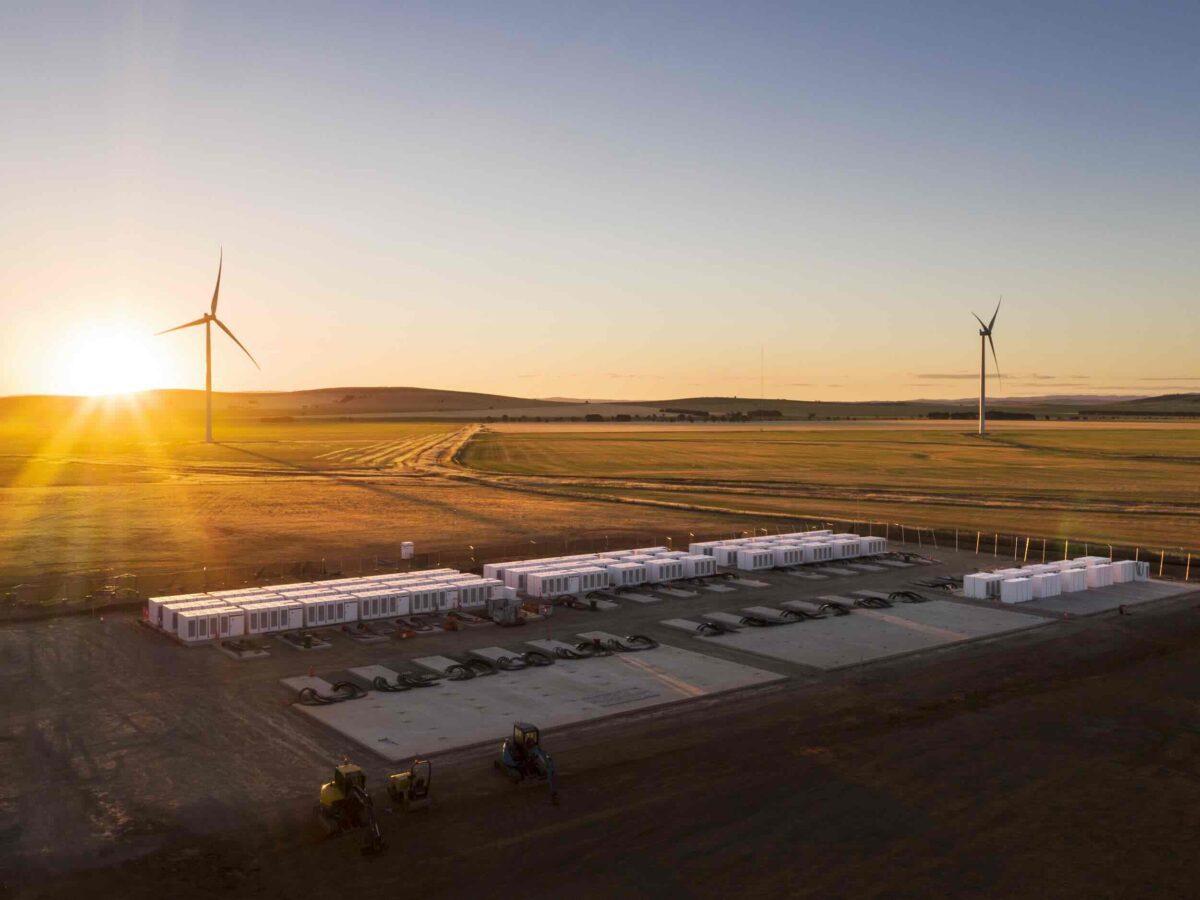
What is less understood is the impact that it is having on profit margins, particularly for big batteries. They have helped flatten the solar duck curve, but they have also squashed the arbitrage between low prices (when they charge) and high prices (when they dispatch) by nearly 80 per cent.
And that means they are crimping their own profit margins and effectively eating each other’s lunch, and dinner. And some of them are starting to say “ouch”.
A new report from leading analysts BloombergNEF says the average intraday arbitrage in Australia’s main grid, the National Electricity Market, was $103 per megawatt-hour (MWh) in the June quarter, a 79 per cent fall from the same period a year ago.
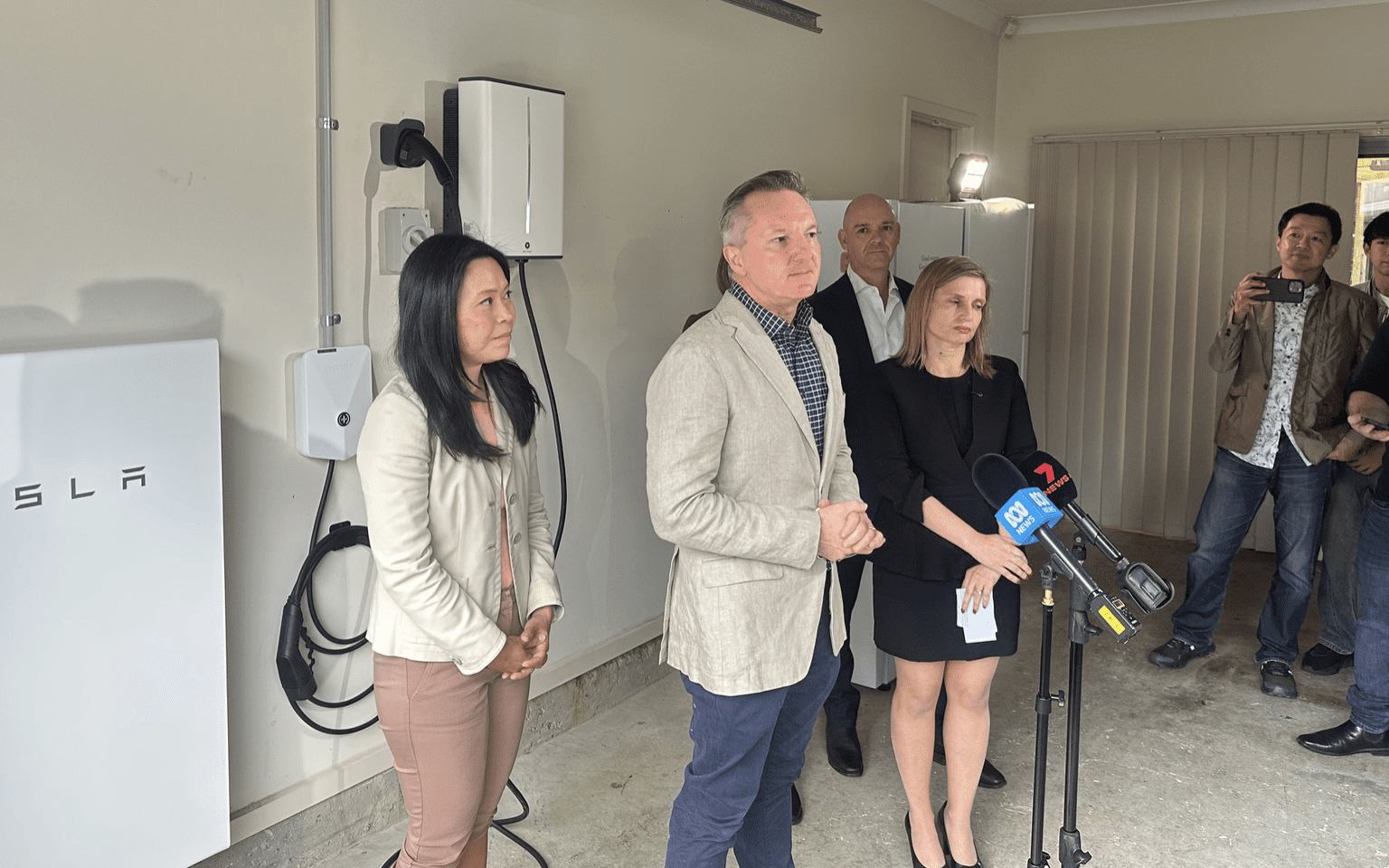
It blames a milder winter, lower evening demand and increased battery discharge during evening price peaks, which has moderated wholesale prices at times when they are usually a lot higher. A lot of big batteries have joined the grid in that time and, of course, there has also been the impact of the successful home battery rebates.