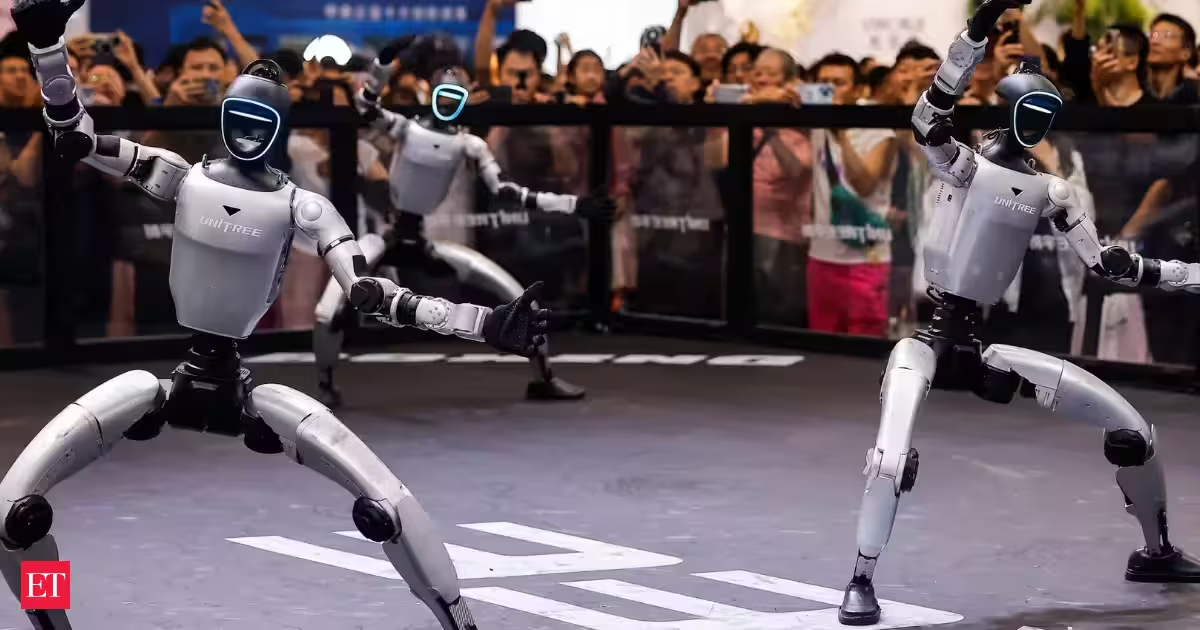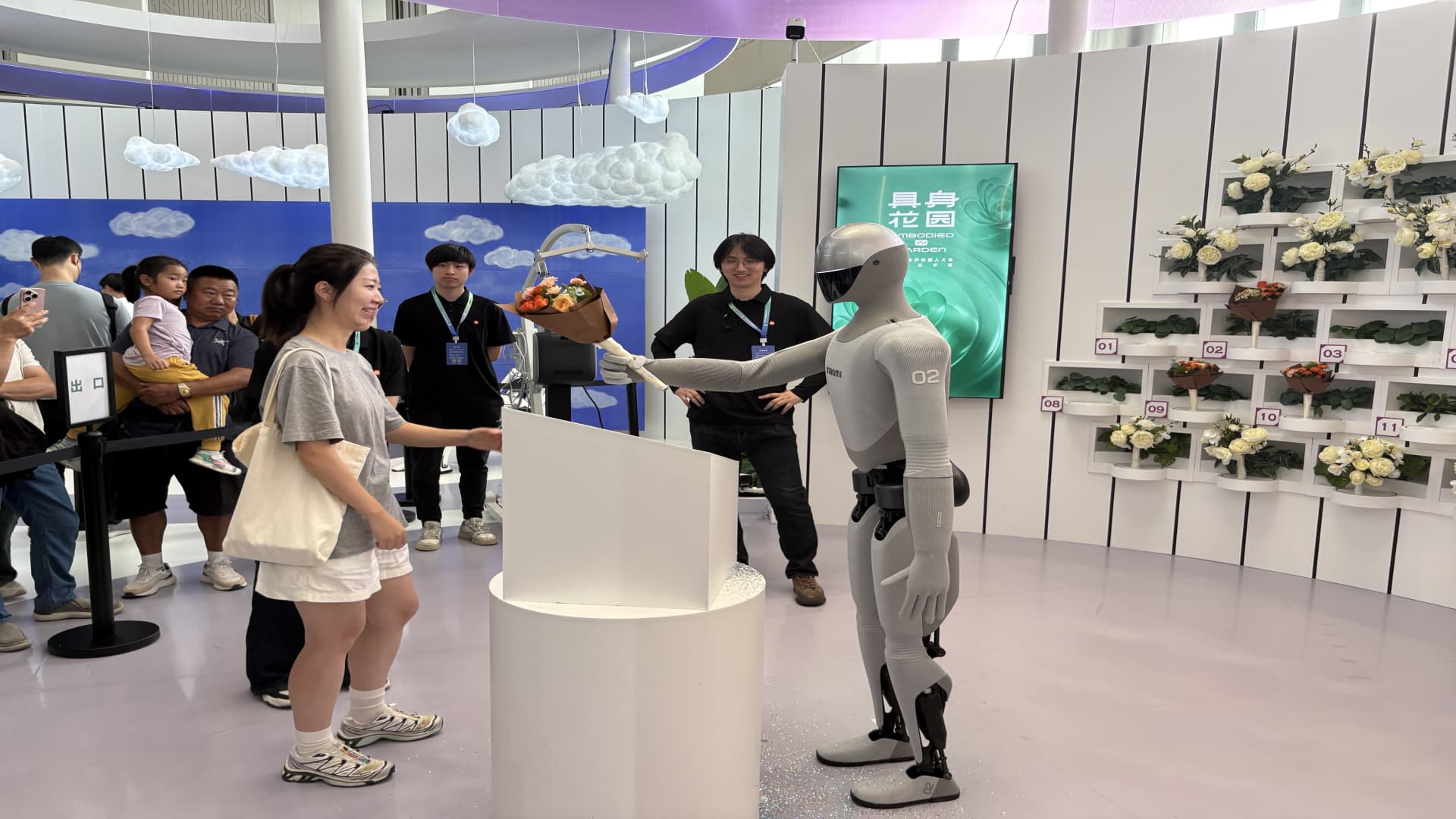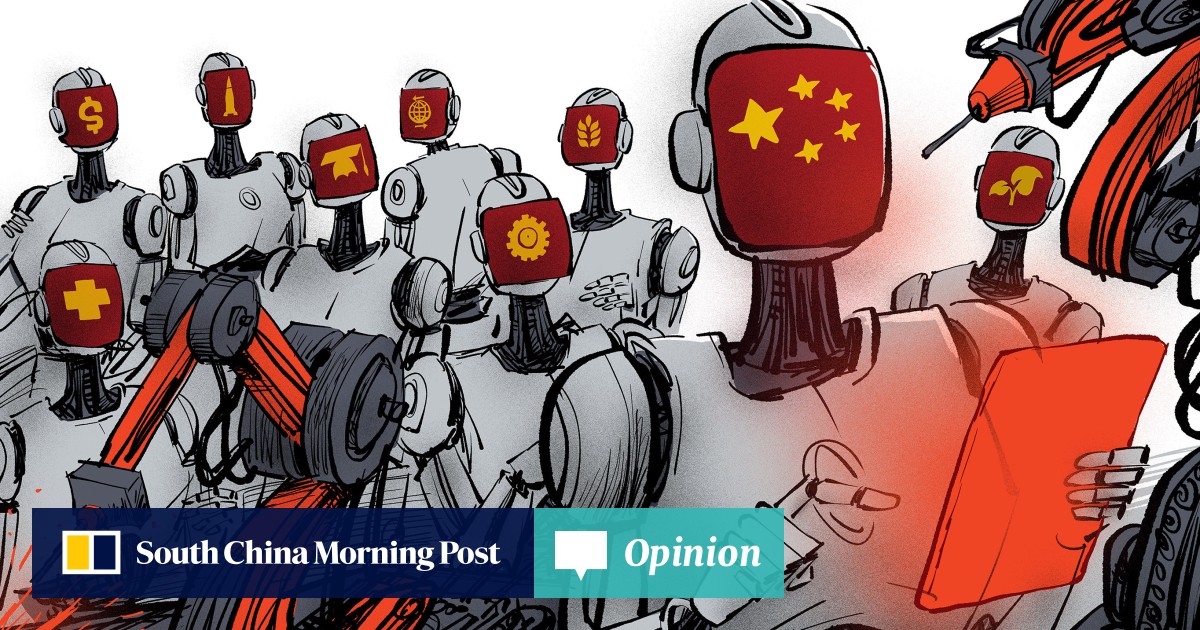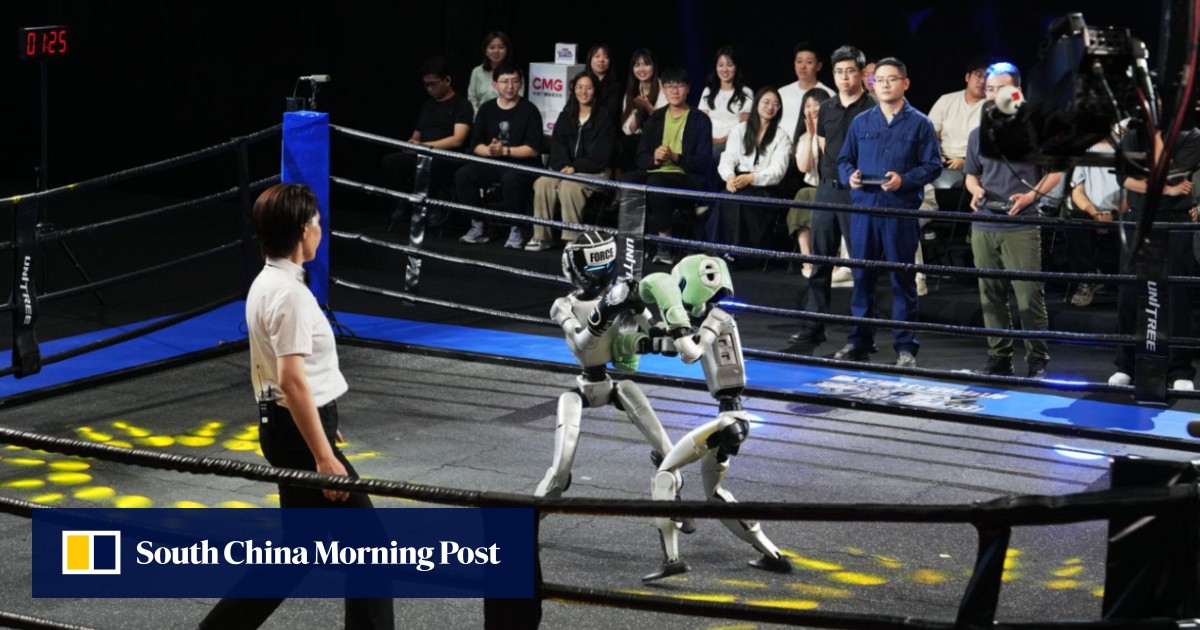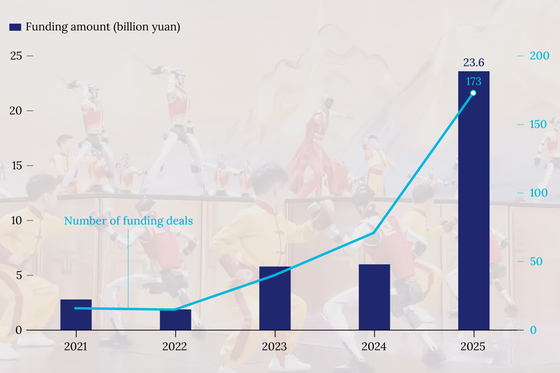
The world has seen tremendous progress in the capabilities of robots in the past year. Robots can now walk, dance, run and perform increasingly sophisticated movements, yet impressive demonstrations do not equal commercial value.Beyond the hype surrounding China’s red-hot embodied robotics sector, one challenge confronts all players: data.Robotics has long faced the challenge of achieving widespread adoption. To do so, robots must be for general purpose, reliable and economically viable – all at the same time. So far, no company has fully solved all three facets of this problem.The biggest bottleneck is access to high-quality physical interaction data, the missing fuel required to power the next generation of intelligent robots. Building general-purpose embodied artificial intelligence (AI) models could require tens of millions of hours of real-world interaction data. However, by early 2026, the globally available pool of compliant, high-quality physical interaction data was only around 500,000 hours.The world is searching for solutions, but different regions are pursuing their own strategies. In the United States, tech giants follow a scale-driven approach of larger models, more compute and massive AI infrastructure. This strategy naturally favours companies with enormous capital reserves and computational resources. Europe and Japan focus more on regulation, safety and hardware advantages but have yet to establish leadership in AI algorithms and large-scale data ecosystems.Meanwhile, competition in advanced technology is expanding beyond chips, AI and communications into robotics. Recent US restrictions on Chinese-made humanoid robots highlight how hardware access is increasingly becoming intertwined with geopolitical competition.
Opinion | In the embodied AI race, China can opt to look beyond bigger models
China is pioneering a more cost-efficient pathway which could inspire tech communities in the developing world by lowering the barriers to innovation.
TL;DRAI
Embodied AI's critical bottleneck is data—tens of millions of interaction hours needed, ~500k available. Manufacturing regions with real-world robotics data outweigh US compute scale; geopolitical tensions (US export restrictions) fracture tech supply chains.
246 words~1 min read