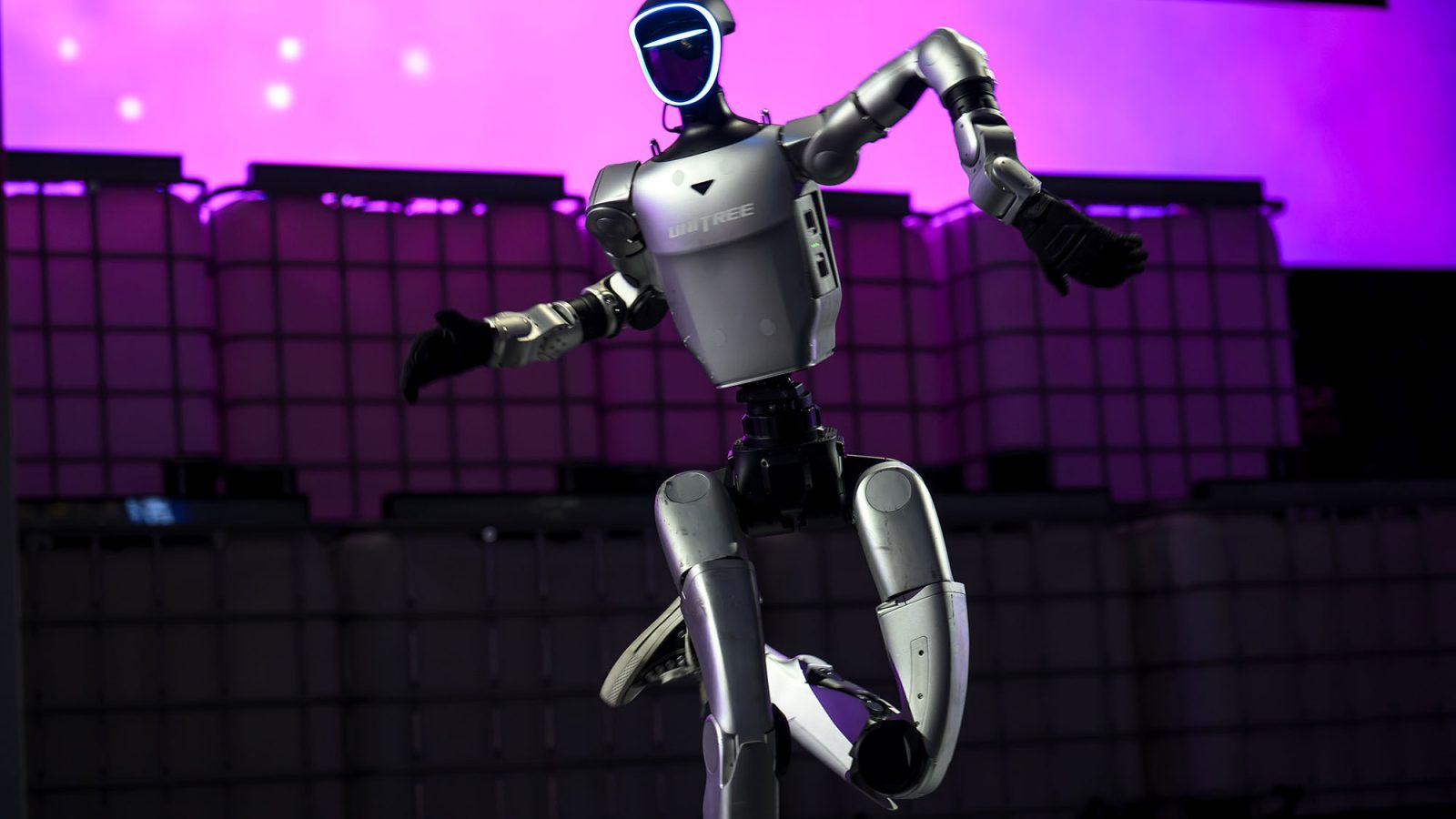
When China lined up a troupe of humanoid robots to dance in front of the German Chancellor earlier this year, a lot of people saw an impressive display of the nation’s technological prowess — but I saw something else. I’m from Texas. I know bragging when I see it.
Looking beyond the robots’ footwork, China’s demonstration reveals a widening gap between spectacle and strategy — a gap that America, for all its robotics talent, is in real danger of falling into.
We are building impressive robots. We are not building the right ones.
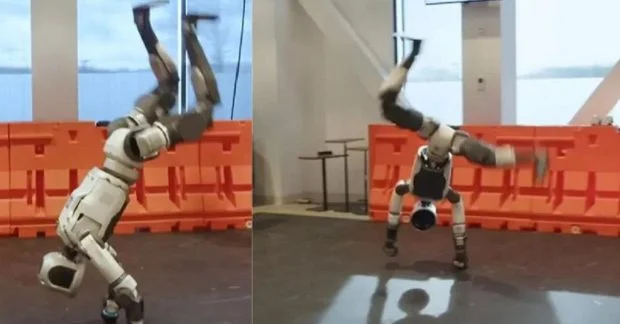
Walk into any major robotics demo in the U.S. and you’ll observe fluid movements, precise manipulation, and maybe even a backflip. The most advanced Boston Dynamics robots can pick up and carry large objects that would risk injuring any human worker. On performance alone, we look competitive.
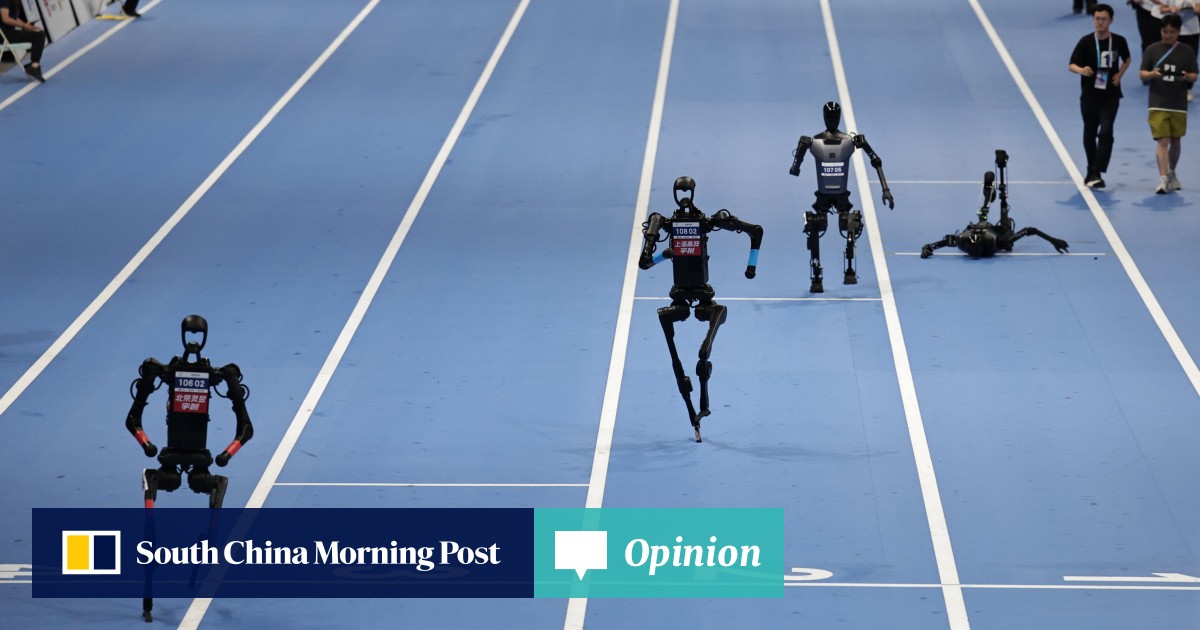
The problem is that performance in controlled settings is all we’re measuring. A recent Stanford report found that robots scoring nearly 90% success rates in controlled simulations succeed at just 12% of real household tasks. This gap between demo and deployment is not a rounding error — it is the whole problem. The U.S. is optimizing its humanoid robots for a sprint and calling it a marathon strategy.