Academia
Prabowo could hope to relive Soeharto’s era by recentralizing the government and strengthening the military, two pillars that had defined Soeharto’s New Order, while slowly erasing regional autonomy and freedom of speech, the two key achievements during the post-Soeharto democratization, also known as the Reform Era.
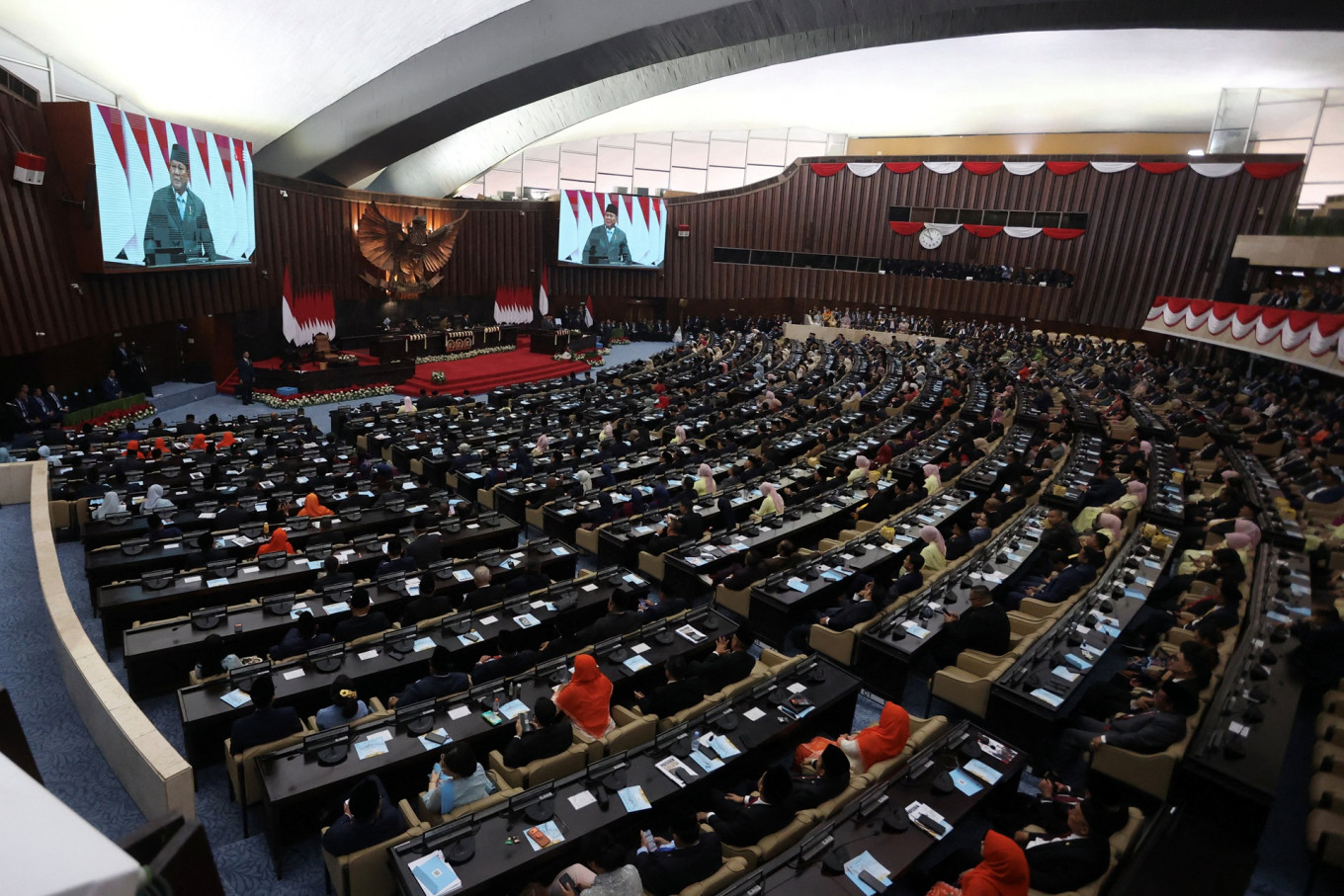
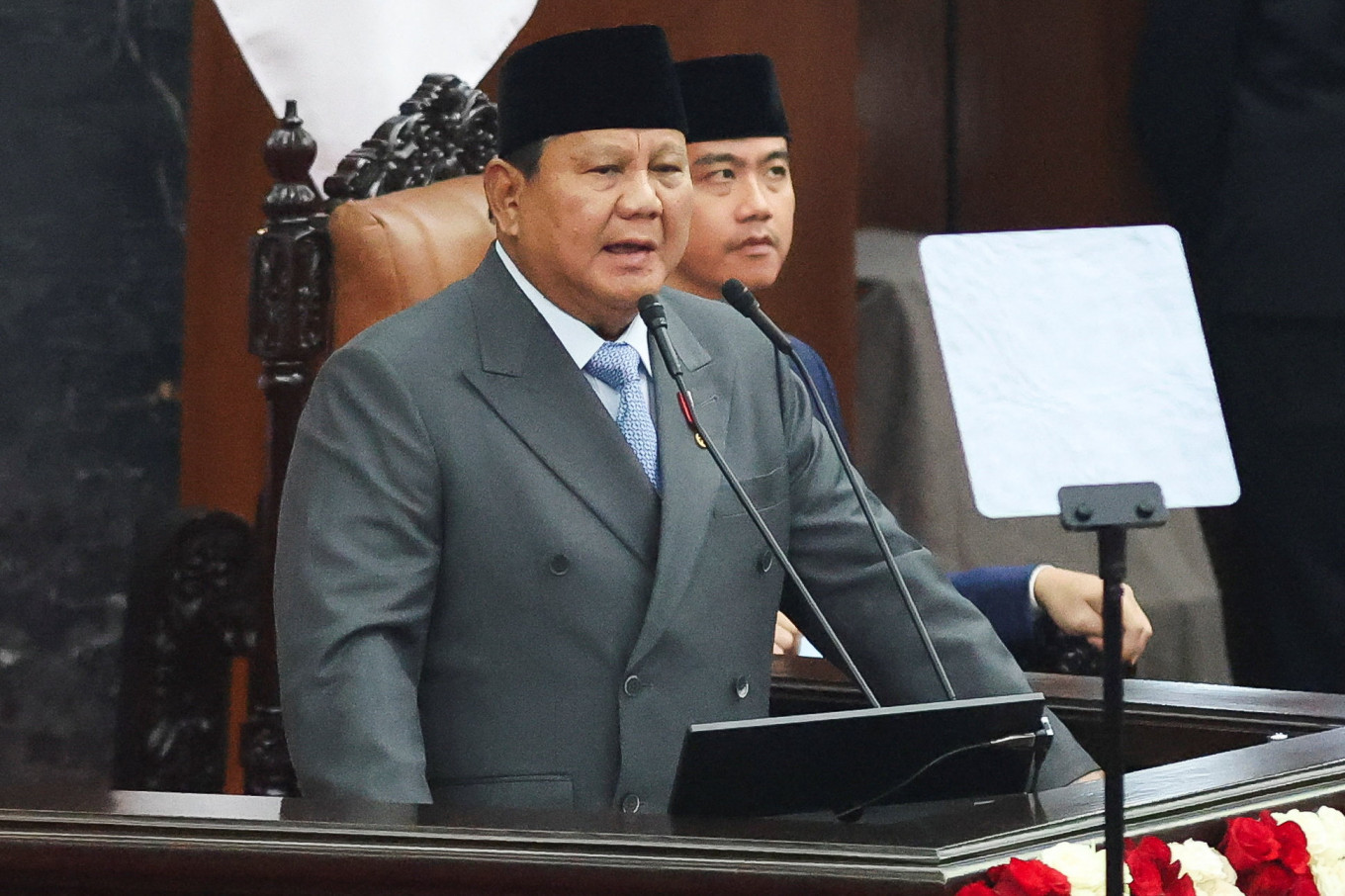
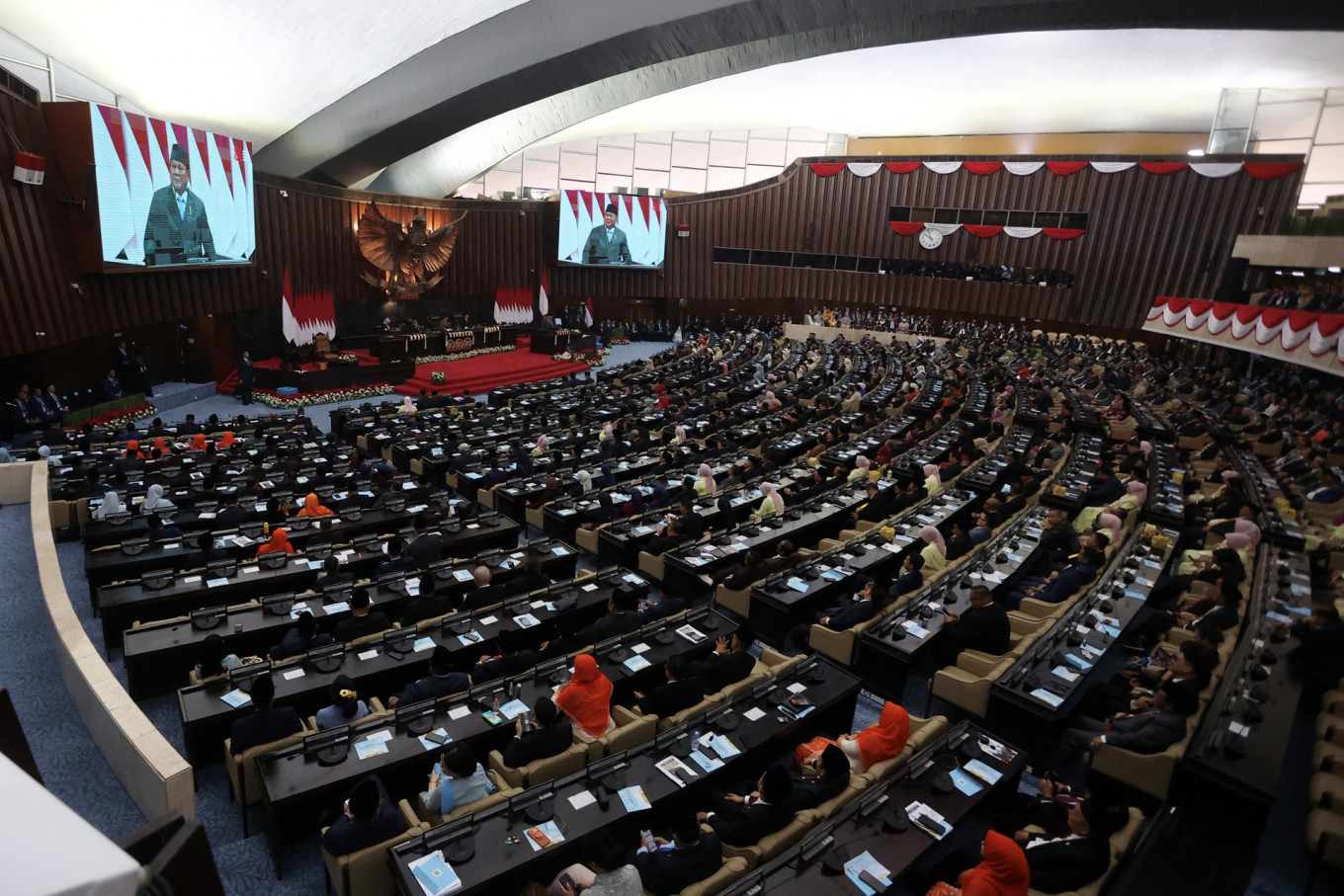
President Prabowo Subianto is displayed on screens as he delivers his annual State of the Nation address ahead of the country's 81st Independence Day anniversary in front of the members of the legislative bodies during the People's Consultative Assembly (MPR) plenary session at the Senayan legislative complex in Central Jakarta on Aug. 14, 2026. (Reuters/Stringer)
If critics consider President Prabowo Subianto’s policies disruptive, the head of government himself has already offered an explanation for why that might be the case.In his recent State of the Nation Address, Prabowo pointed to the blistering pace of his transformation agenda. Just 21 months into his presidency, he noted, his administration had rolled out 121 “transformative” policies, averaging one new policy every five days, all aimed at unraveling problems left untouched for decades.
From a macroeconomic standpoint, state intervention is hardly unprecedented. Government activism has anchored some of the most consequential developmental turnarounds since World War II in response to inequality, labor movement and market failures associated with postwar capitalism.