view more
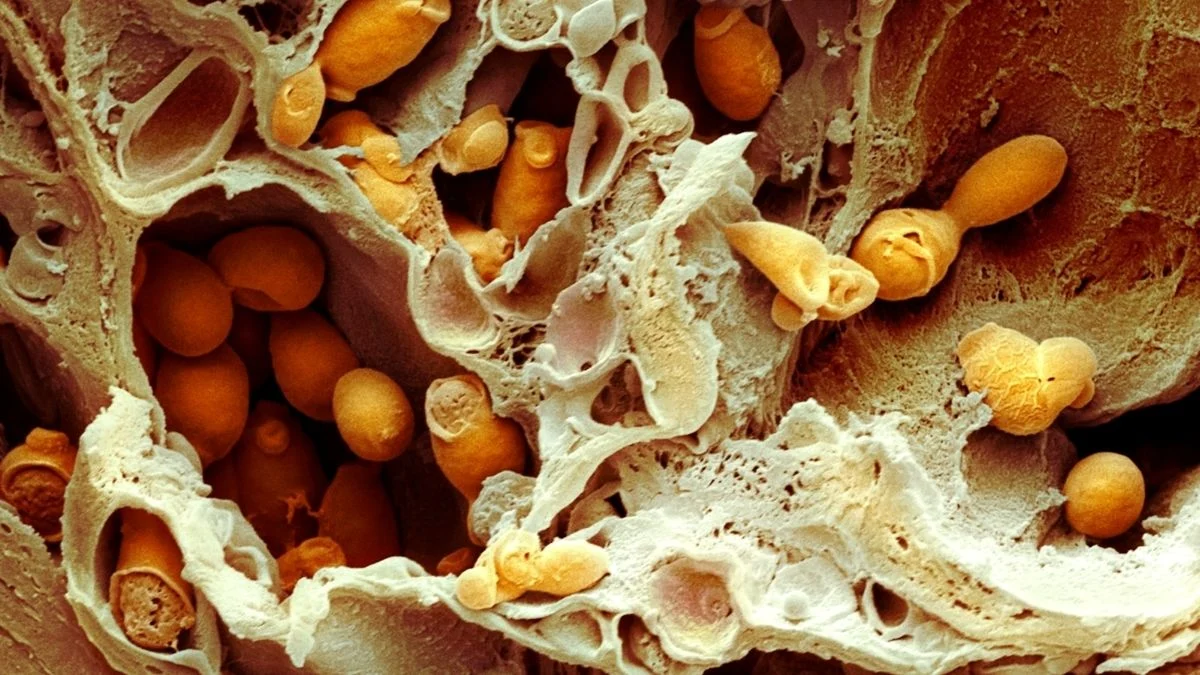
Most people carry the fungus Cryptococcus neoformans in their lungs for life and never know it, held in check by the immune system. New research from the Virginia-Maryland College of Veterinary Medicine at Virginia Tech identifies which immune cells do that work — and finds that no single cell type is responsible.
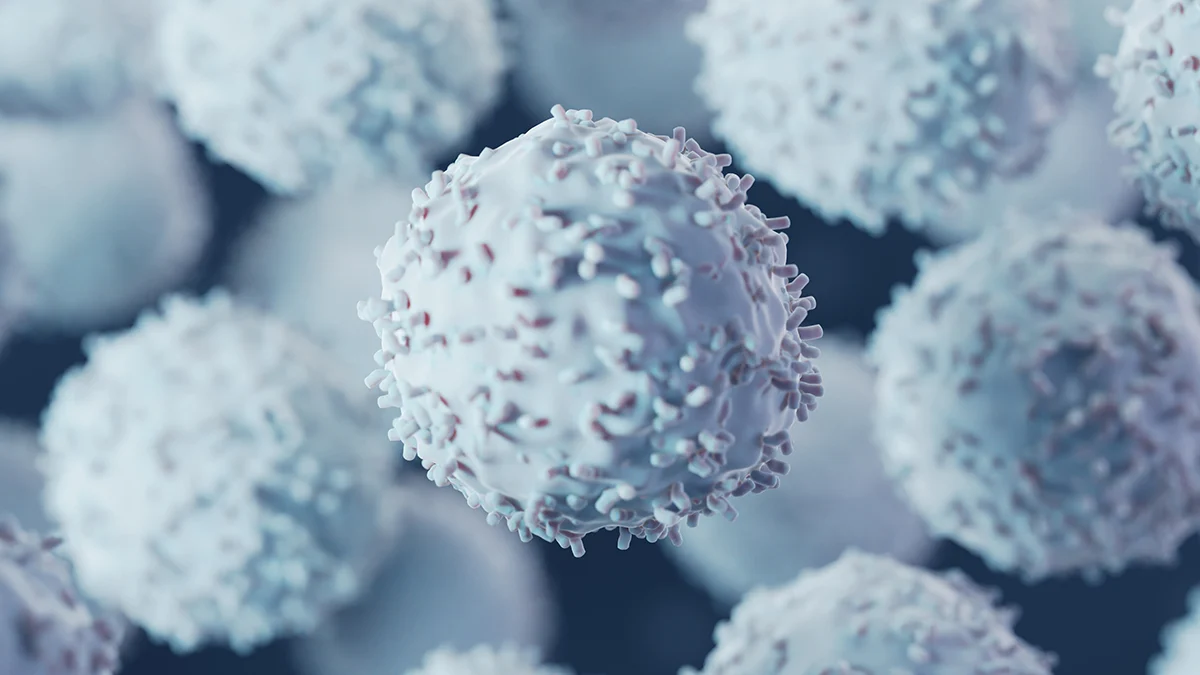
The study, published in the journal mBio, focused on CD4 T cells, the immune system's coordinators. Researchers had long assumed one dominant cell type controlled the infection. Instead, they found several distinct CD4 T-cell populations, each contributing in its own way.
"Everybody assumed we had the queen that was going to be the single most powerful player," said senior author Kirsten Nielsen, professor of microbiology and immunology at the college's Center for One Health Research. "But it turns out it's not just one queen. Imagine playing chess with five queens."
The finding matters because Cyptococcus turns deadly when the immune system falters. In people undergoing chemotherapy, recovering from organ transplants, living with HIV, or taking immune-suppressing drugs, the dormant fungus can reactivate, spread to the brain, and cause meningitis. It kills more than 150,000 people worldwide each year and is the second-leading cause of death among people living with HIV, according to the CDC and World Health Organization.