view more
One hundred million years ago, long before human intervention, ancestors of grasses, like wheat, rice and maize generated “bypasses” of chemical pathways that are used to create two critical compounds: lignin and starch. These more efficient pathways could explain why grass plants are so successful in nature and agriculture, according to a new paper publishing in Science on Aug. 20 by researchers from the University of Wisconsin–Madison and their collaborators.
Like a beltway that creates a more flexible traffic flow in a city, these metabolic bypasses led to efficient and robust synthesis of both lignin and starch, chemical compounds that are critical for plants.
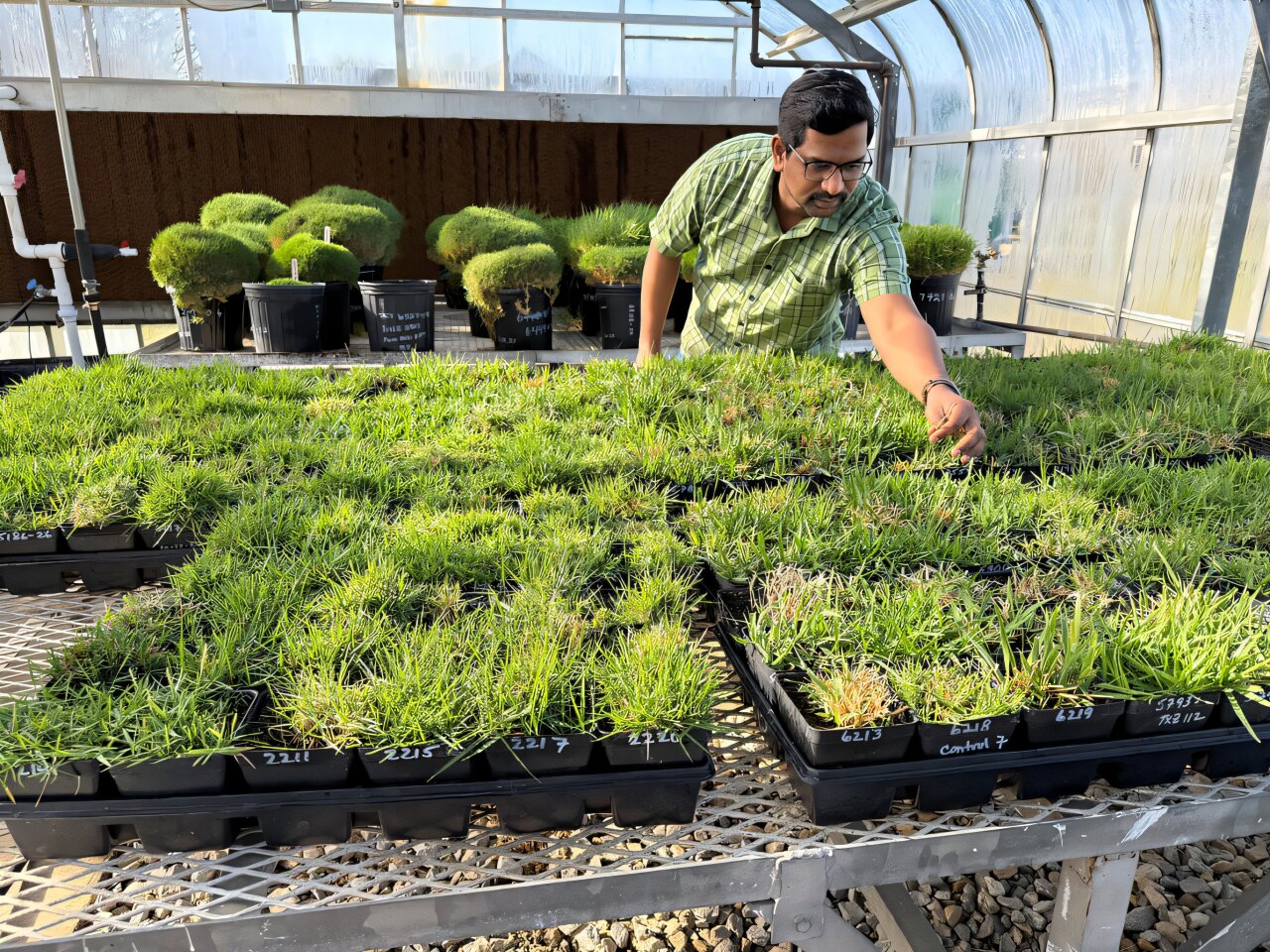
Grasses and cereal grains make up the majority of global human caloric intake. However, it remains a mystery how these grasses became dominant and successful in both nature and later in agriculture. The lab of Hiroshi Maeda, a professor of botany at UW–Madison, teamed up with researchers from around the world to address this question.
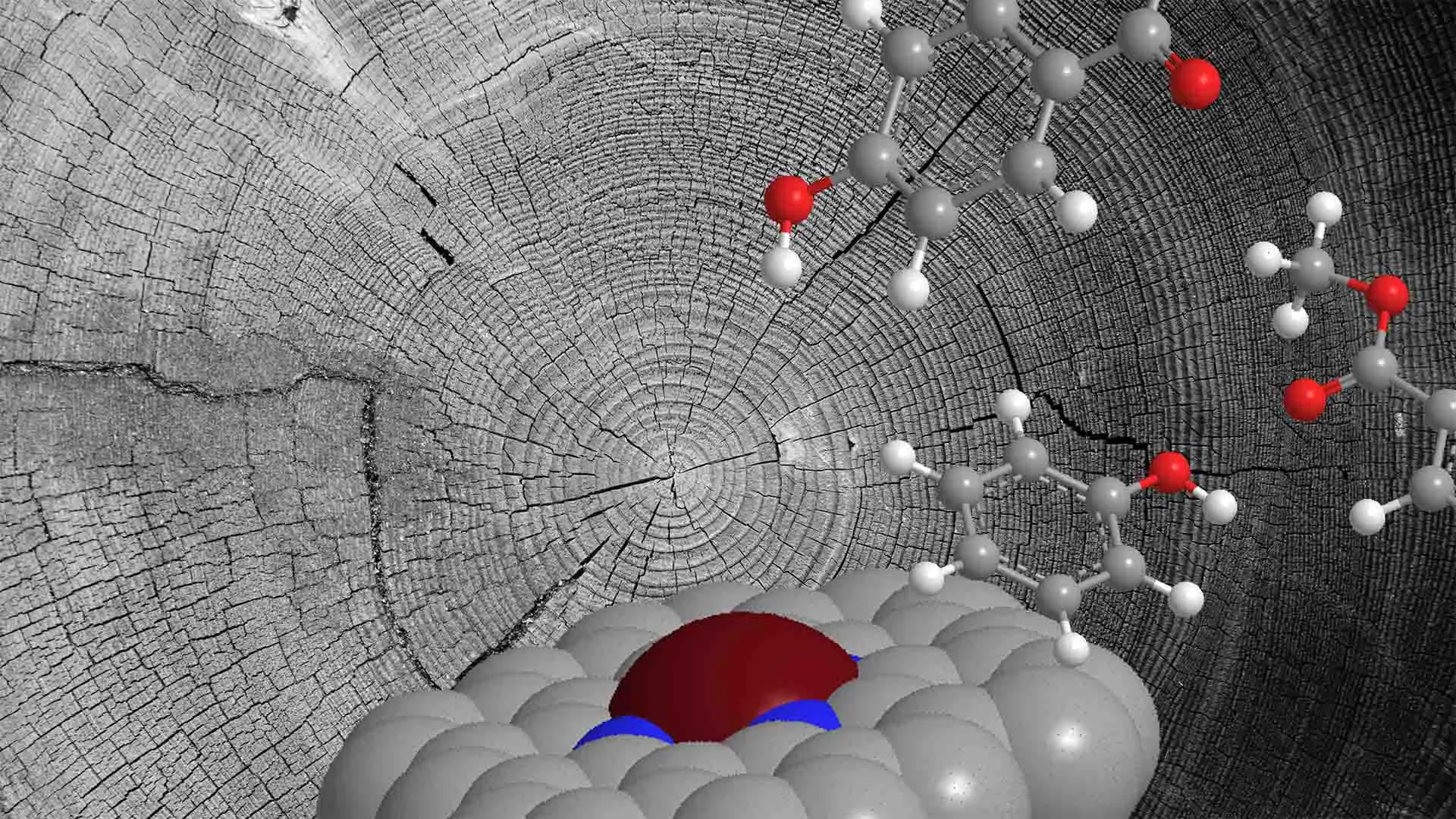
The team was particularly interested in the metabolism of grasses, focusing on genes that are needed to make starch and lignin. Grasses are rich in starch, a complex carbohydrate that acts as the plant’s energy storage, and their rapid growth requires the efficient production of lignin, a major component of plant biomass.