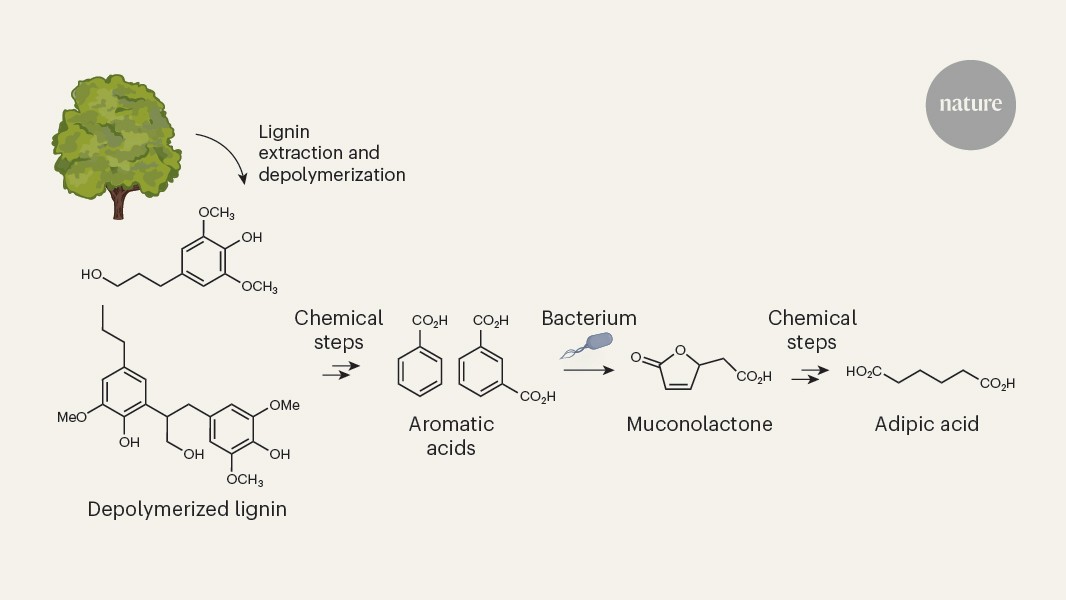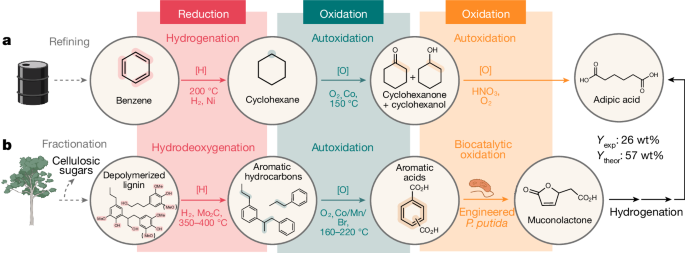
Lignin gives plants much of their structural strength and represents the largest renewable source of aromatic chemicals found in nature. It can make up a substantial share (up to 35%) of waste biomass from agriculture and forestry. Yet lignin's complicated molecular structure makes it notoriously difficult to break apart efficiently, which has limited its potential use in sustainable manufacturing.
In a study published in ACS Catalysis, an international team that included Dr. Christopher Parlett, Xinyue Zhou, and Yutao Jiang from the Department of Chemical Engineering developed a highly efficient "single-atom catalyst." The researchers also determined, at the molecular level, how the catalyst breaks the strong chemical bonds that help hold lignin together.
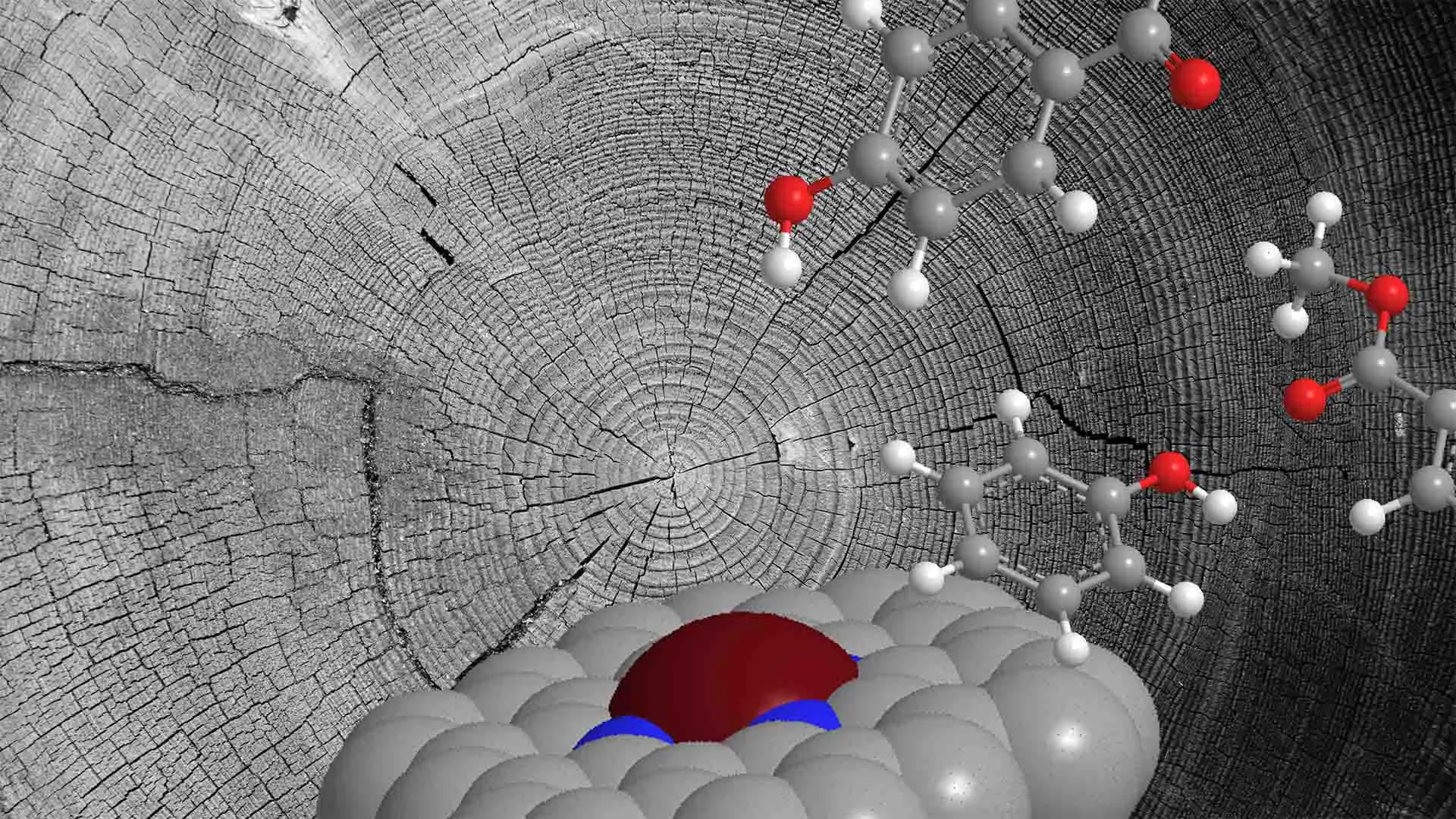
The catalyst contains individual ruthenium atoms embedded within a nitrogen-doped carbon material. By keeping the ruthenium atoms isolated, the design can deliver strong catalytic performance while requiring only very small amounts of metal, improving efficiency compared with conventional systems.
Revealing How the Catalyst Breaks Down Lignin
One persistent obstacle in lignin research has been identifying exactly which parts of a catalyst are responsible for breaking the material's unusually strong chemical bonds. Without that information, researchers have had limited guidance for designing more effective catalysts.