Turn any article into a podcast. Upgrade now to start listening.
Members can share articles with friends & family to bypass the paywall.
You’re reading Dispatch Markets, a weekly dive into the forces driving economic growth—and those holding it back—featuring Scott Lincicome, Kyla Scanlon, Karl Smith, Marian Tupy, and Adam Ozimek.
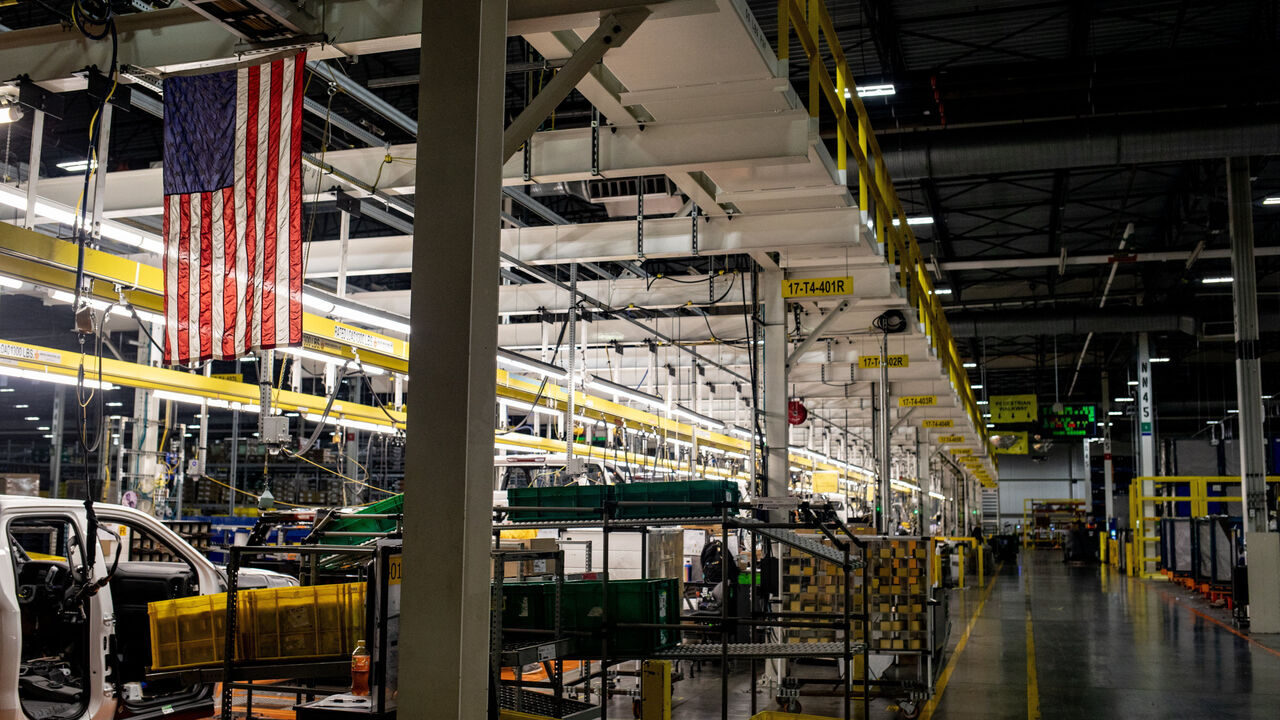
One of the more annoying hazards of the wonkery biz is commenting on available-but-lagging information that’s subsequently reversed or clarified by future data releases. In January, I wrote that the American manufacturing renaissance promised by the White House was “missing in action” because manufacturing sentiment was persistently depressed last year and actual performance had noticeably sagged in the fall. Since then, however, both have turned up: Industrial output has gained in each of the last seven months, and manufacturers report increased optimism—a marked shift from the dour reports of 2025. Perfect timing.
The Trump administration has definitely noticed this reversal, recently trumpeting the Institute for Supply Management’s (ISM) latest manufacturing purchasing managers index (PMI), which, in their words, showed that “U.S. manufacturing activity surged in July at the strongest rate in more than four years — driven by soaring demand, record production, and a wave of new hiring.” Now, the vice president is gloating, White House trade adviser Peter Navarro is calling it a “robust tariff- and tax cut-induced renaissance,” and prominent protectionists are snarkily citing the PMI as proof anti-tariff “think tankers, economists, and columnists” don’t know what they’re (ahem, we’re) talking about.