Turn any article into a podcast. Upgrade now to start listening.
Members can share articles with friends & family to bypass the paywall.
You’re reading Dispatch Markets, a weekly newsletter on economics featuring Scott Lincicome, Kyla Scanlon, Karl Smith, Marian Tupy, and Adam Ozimek. To access more Dispatch reporting and analysis, become a member today.
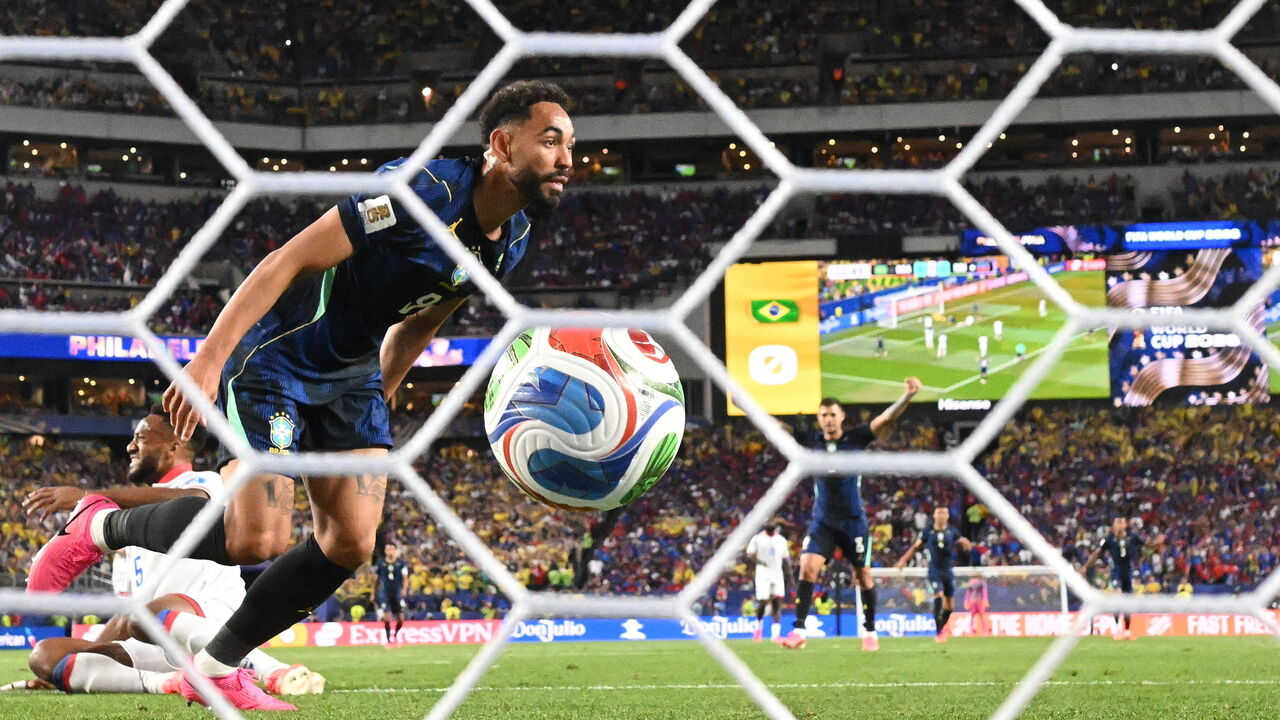
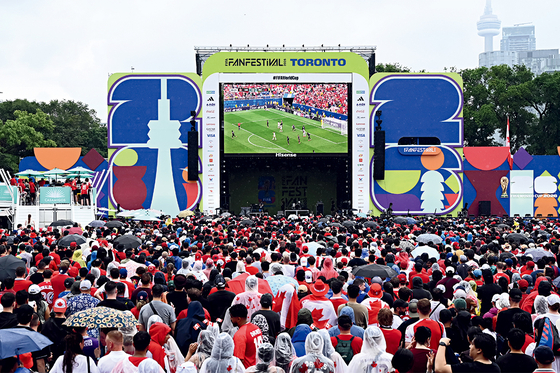
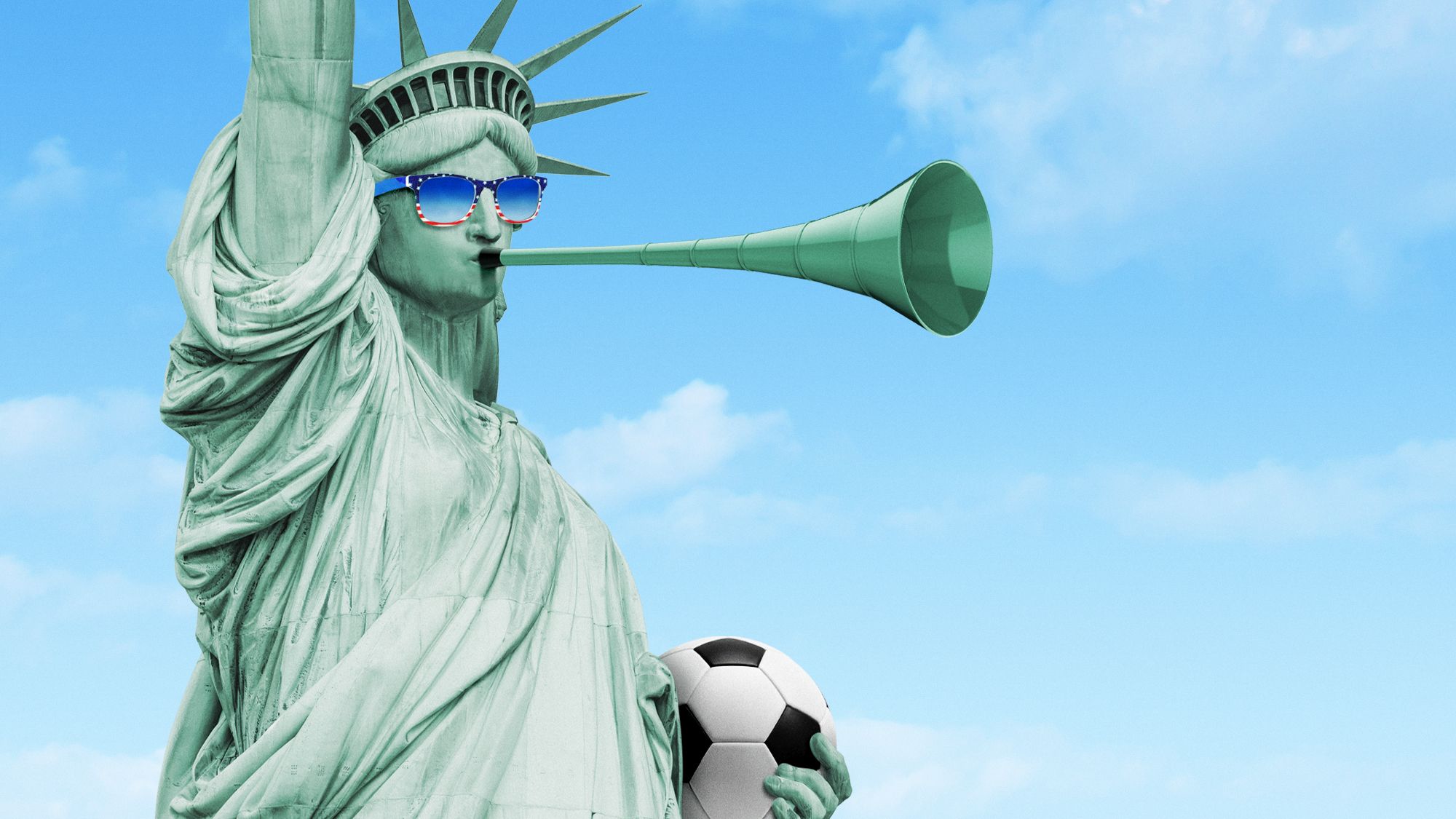
As briefly mentioned in my last column, World Cup tourists’ repeated astonishment with everyday American abundance has become a viral sensation—and in a very good way. Seemingly not a day goes by without some happy foreign soccer fan raving on social media or to the press about quintessentially “American” things—free drink refills, bottomless chips and salsa, ginormous sports stadiums, fancy cars, big houses, ranch dressing, frigid air conditioning, shiny hospitals, etc.—that we consider relatively mundane features of daily life in the United States. (Buc-ee’s, Costco, and Texas Roadhouse have been particularly big hits, and for good reason.)
These viral posts have delighted American onlookers and captured endless media commentary on how the foreigners’ innocent—and often hilarious—observations have helped unite a divided U.S. and remind us locals of just how good we have it. In an era of endless grousing about the U.S. economy—reflected in various surveys of American “sentiment” and sometimes even justified—the ongoing episode has been a welcome, optimistic change of pace and a loud, folk-libertarian reminder that a nation’s capital, policies, and political class are most definitely not the same as its communities and citizens.