Turn any article into a podcast. Upgrade now to start listening.
Members can share articles with friends & family to bypass the paywall.
You’re reading Dispatch Markets, a weekly newsletter on economics featuring Scott Lincicome, Kyla Scanlon, Karl Smith, Marian Tupy, and Adam Ozimek. To access more Dispatch reporting and analysis, become a member today.
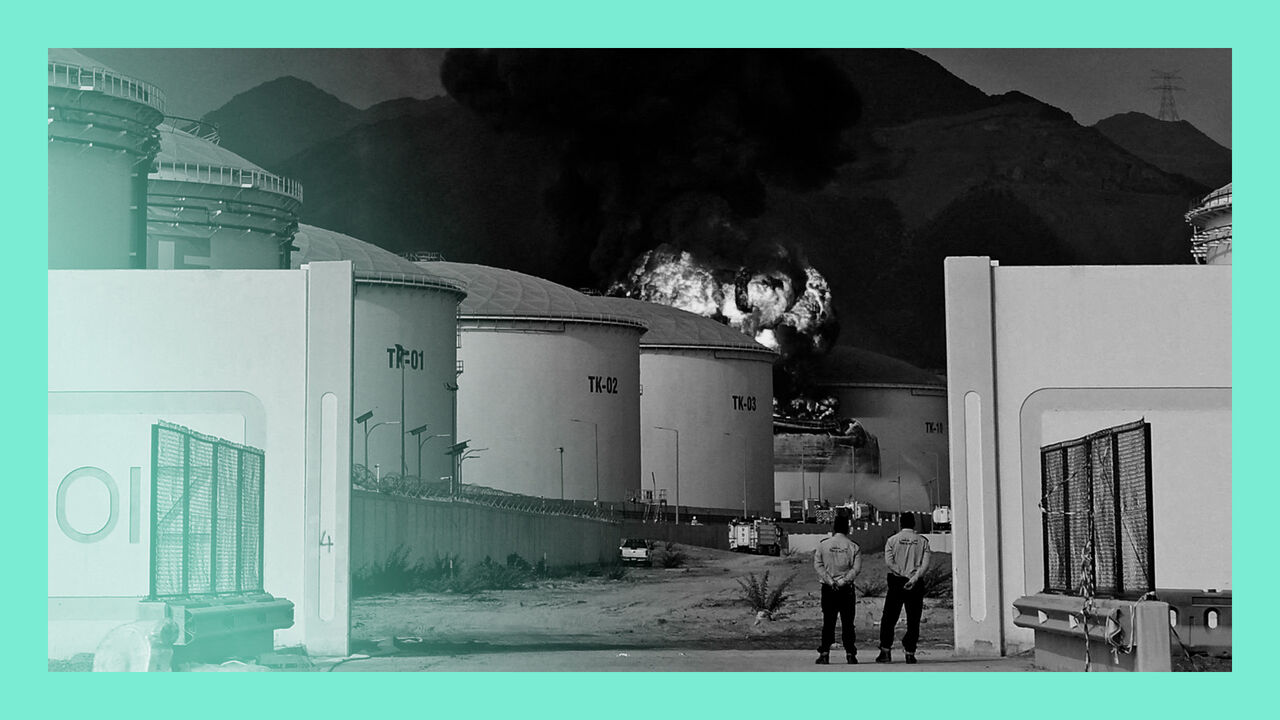
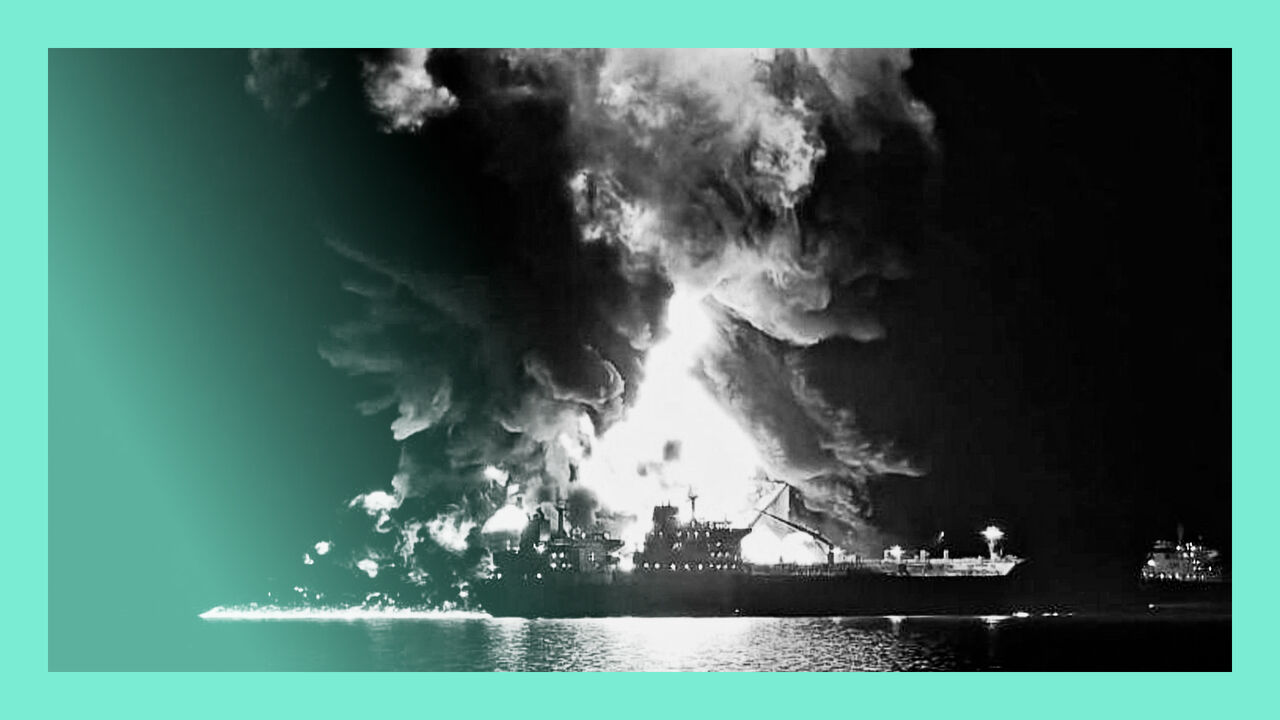
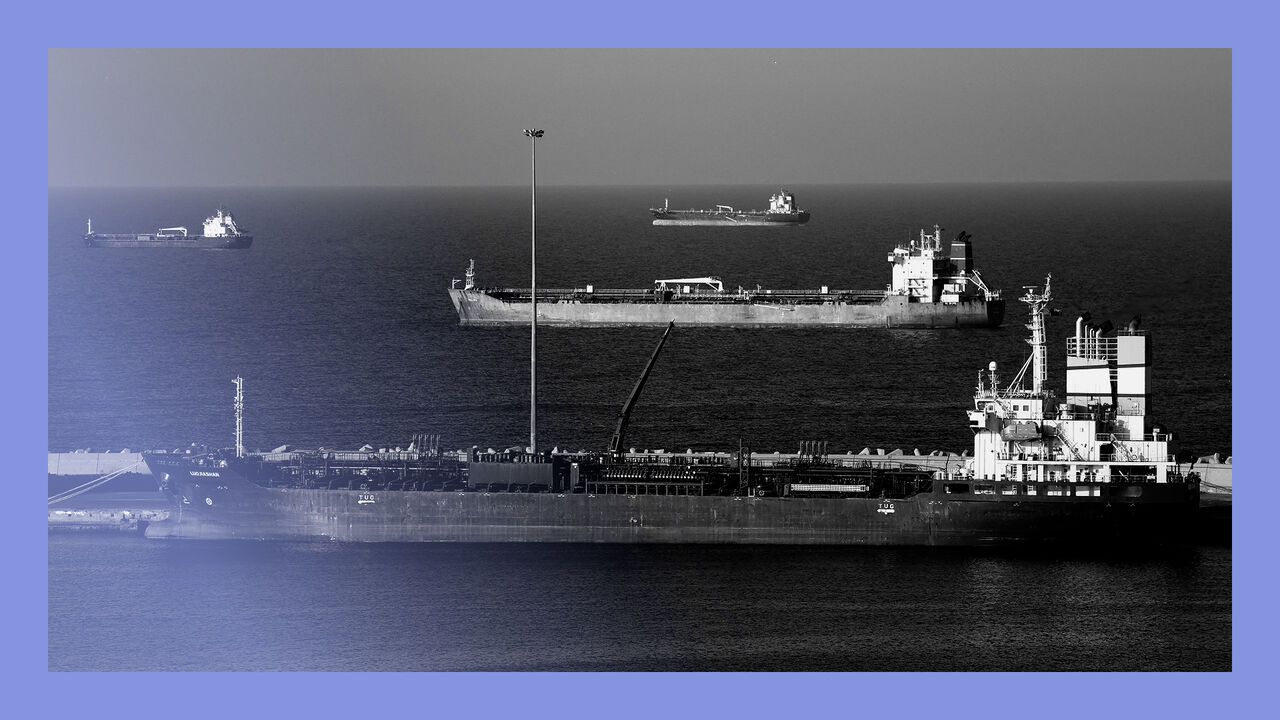
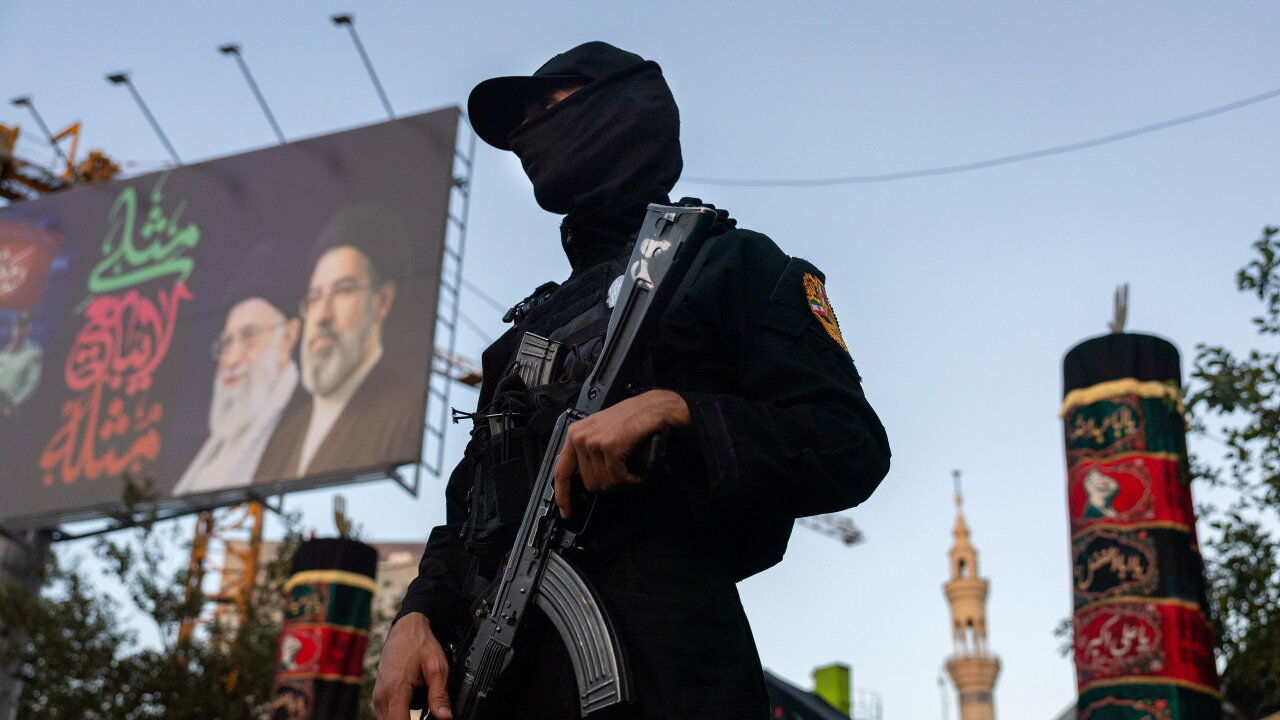
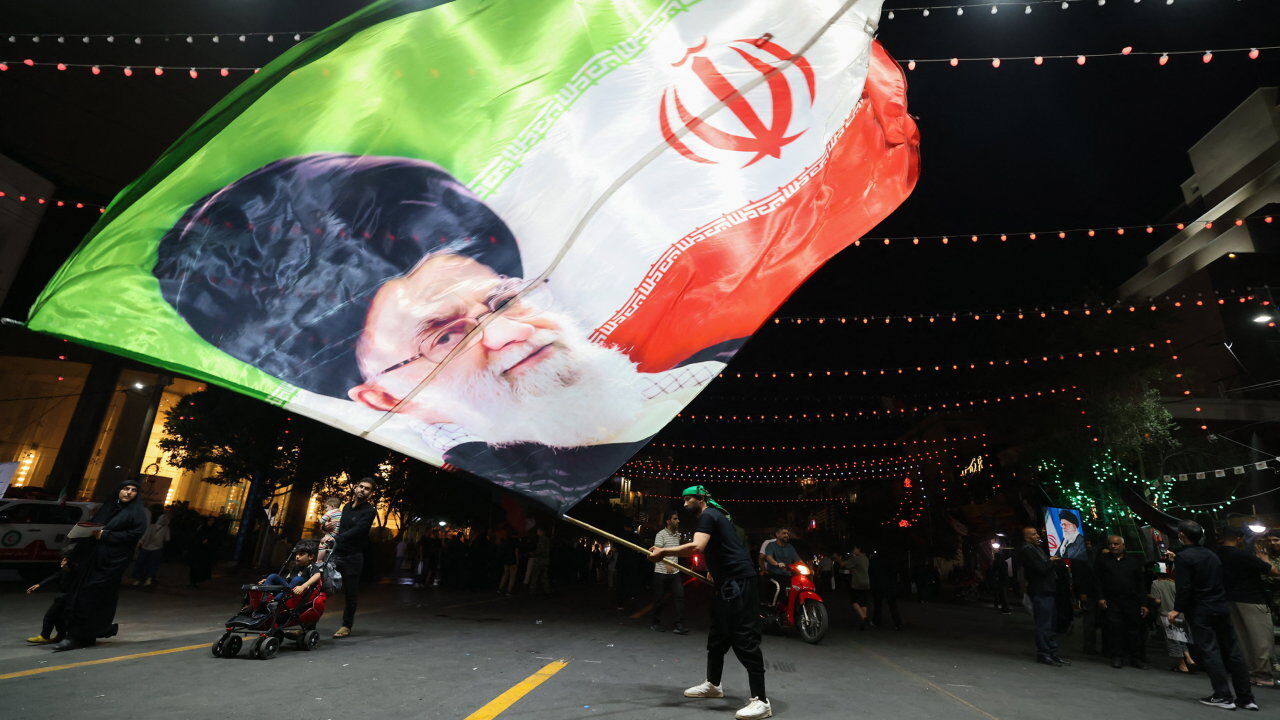
Longtime readers know that I’m intensely skeptical of much of the “resiliency” basis for new U.S. industrial policy and protectionism. Since the pandemic, my reaction to almost all “supply chain crises”—hitting food, energy, minerals, and other essentials—has been a big yawn, owed mainly to the long history of open and dynamic economies (and the millions of people independently acting therein) quickly adjusting to whatever the world and its politicians throw in our way. Yet even I must admit that the Iran war—and the broad and significant shock to critical commodities largely made in the Middle East—worried me in its early days. As I wrote back in March, there were increasing signs and broad agreement that, if the war dragged on into May or June, the economic fallout would be significant—and extend well beyond the gas pump.
Four months later, I’m happy to admit I was too pessimistic. Yes, real damage occurred, some of it will linger, and things could deteriorate now that hostilities have seemingly resumed. But the global economy’s response to what the International Energy Agency has called “the largest supply disruption in history” has been much more impressive than most analysts expected, leaving me much less concerned about what lies ahead. It’s both a useful reminder that global markets are incredibly powerful things—if governments allow them to operate—and a new indication that we shouldn’t use a once-in-a-lifetime pandemic to guide U.S. “resiliency” policy.