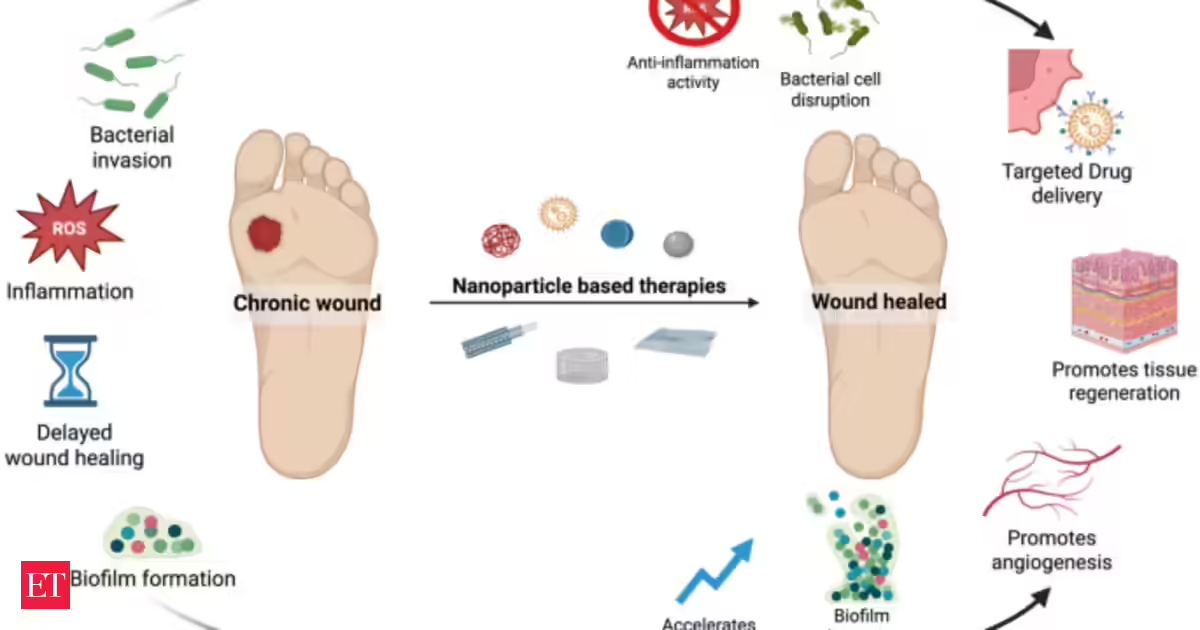
Researchers at the University of São Paulo (USP) in Ribeirão Preto, Brazil, have developed a nanoparticle that can address the various factors hindering the healing of chronic wounds, which include ulcers associated with diabetes and pressure ulcers common among bedridden individuals. These wounds, which may persist for months or even years, affect about 1% to 2% of the population and represent a significant public health concern because they increase the risk of infection and amputation and significantly impair patients' quality of life.
In vitro tests, the technology reduced inflammation and protected tissue from oxidative stress damage—a pathological condition in which excessive reactive molecules (such as oxygen free radicals) damage cells and impede cell regeneration. The formulation also favored the migration of skin fibroblasts, which play a key role in wound healing.
The results were published in the journal Colloids and Surfaces B: Biointerfaces.
Currently, available treatment relies primarily on dressings, antibiotics and anti-inflammatory drugs. These help control infection and inflammation, but they do not always succeed in halting the mechanisms that keep the wound open.
"These wounds are difficult to treat because several mechanisms involved in healing cease to function properly. There's persistent inflammation, an excess of enzymes that degrade tissue, oxidative stress, and difficulty forming new skin. That's why we devised a strategy that could act on several of these processes simultaneously," explains Maria Vitória Lopes Badra Bentley, a pharmacist and professor at USP's Ribeirão Preto School of Pharmaceutical Sciences (FCFRP).