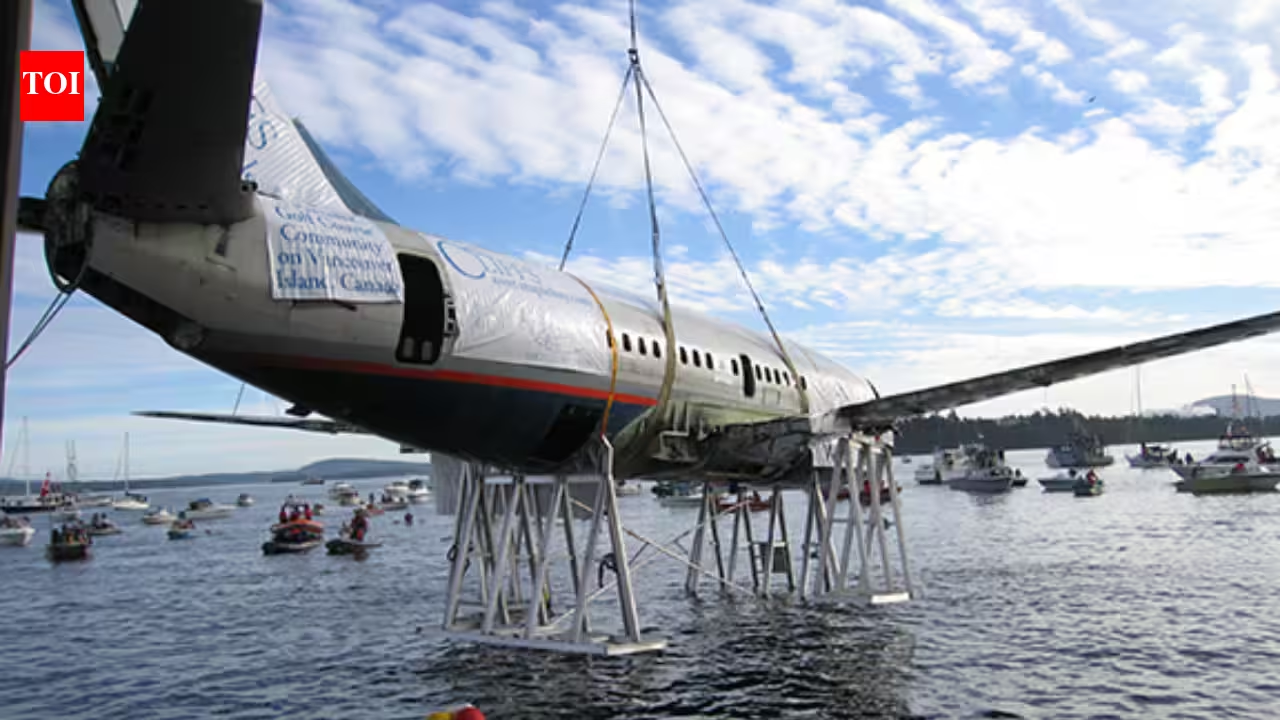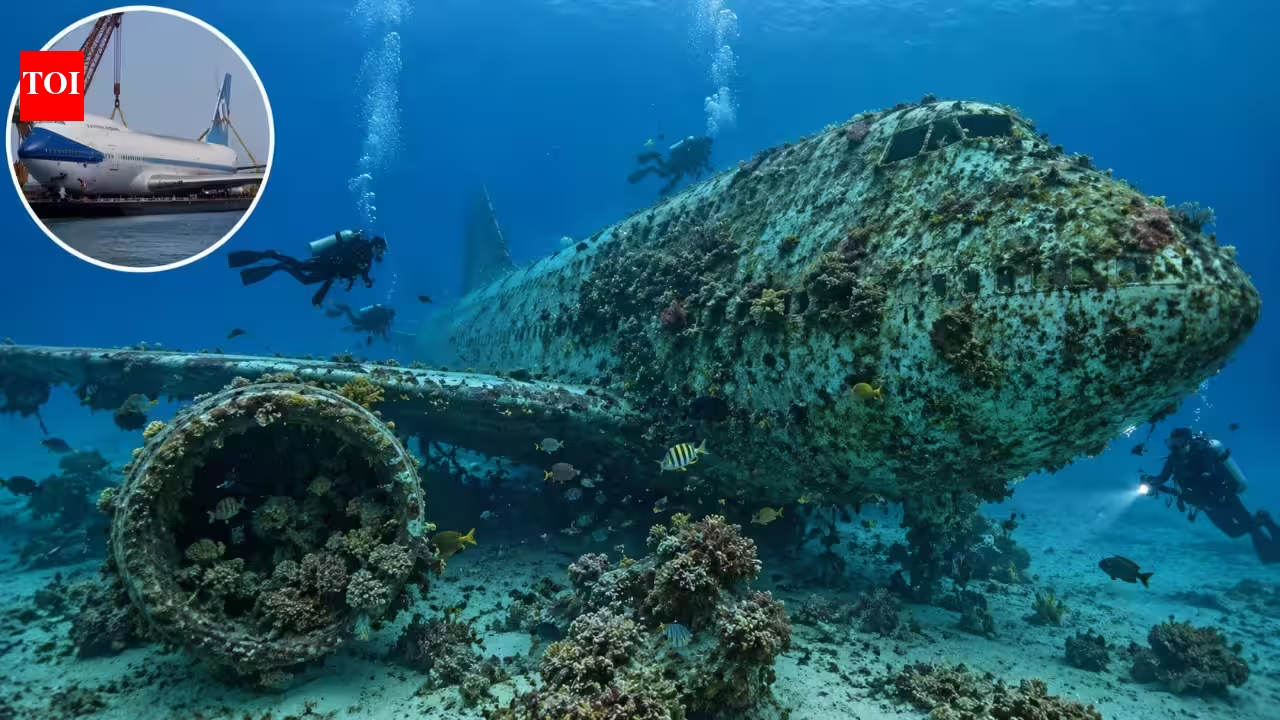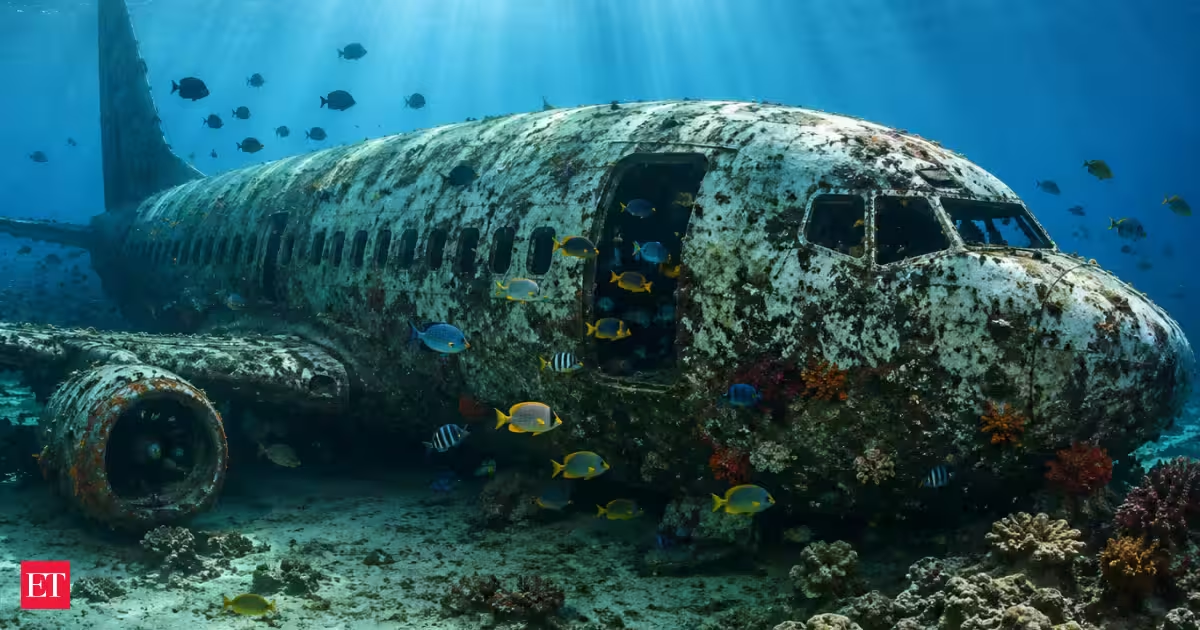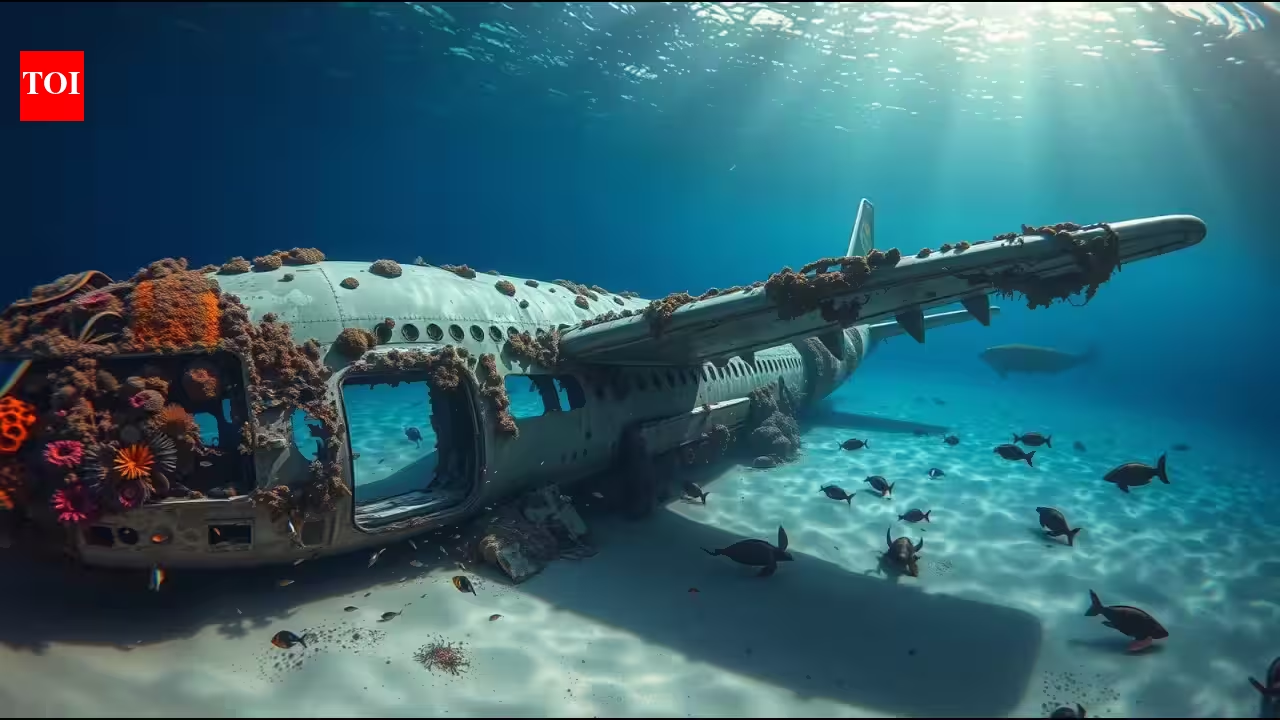
Representative Image of a retired Airbus A300 resting on the ocean floor amid thriving marine life and coral growth (AI-generated image)In June 2016, authorities in Turkey carried out an unusual experiment off the Aegean coast near the resort town of Kuşadası, deliberately sinking a retired Airbus A300 passenger jet to create an artificial reef. The aircraft, purchased by the Aydın provincial government for around 270,000 Turkish lira, or roughly $93,000 at the time, was lowered into the sea to a depth of about 75 feet, where officials hoped it would eventually become a habitat for marine life while also creating a new attraction for divers. Measuring about 177 feet long with a wingspan of roughly 144 feet, the aircraft was among the largest planes ever deliberately sunk for the purpose of creating an artificial reef. Authorities also hoped the unusual underwater attraction would help draw as many as 250,000 visitors annually to the region, while directing some diving activity away from natural reefs that had come under pressure from tourism.Why Turkey chose to sink an Airbus A300 in the Aegean SeaThe Airbus project was part of a broader effort by Turkish authorities to expand Kuşadası's diving tourism and create new underwater attractions. Several smaller aircraft had already been deliberately submerged elsewhere along Turkey's coastline, but the A300 represented a much more ambitious undertaking. The aircraft was transported to its final location and supported using inflatable equipment before being carefully lowered into the water. Divers were involved in guiding the enormous fuselage toward the seabed as water entered the aircraft, eventually bringing it to rest roughly 75 feet beneath the surface. The entire sinking operation took approximately two and a half hours, with boats gathering around the area to watch the unusual spectacle. Contemporary reporting by the Washington Post described the project as an attempt to attract both fish and tourists, combining an eye-catching diving attraction with an artificial habitat intended to encourage marine life to colonise the wreck.What officials hoped the artificial reef would achieveLocal officials saw the aircraft as more than an unusual underwater landmark. Aydın mayor Özlem Çerçioğlu attended the sinking and said the project was intended to help establish Kuşadası as an important destination for diving tourism while contributing to the protection of underwater ecosystems. The strategy was to provide divers with a new attraction that could absorb some of the pressure placed on natural reefs by heavy visitor numbers. Once underwater, the aircraft's large internal and external surfaces could provide hard substrate for algae and other marine organisms, while openings and sheltered spaces could eventually offer refuge for fish and other aquatic species. Similar artificial reefs around the world have been created using deliberately submerged ships, concrete structures and other carefully prepared materials, although the ecological value of such projects depends heavily on factors including water quality, location, materials and the species already present in the surrounding ecosystem.How the retired passenger jet became an underwater habitatThe A300 had spent its earlier life carrying passengers through the sky, but after retirement it was given an entirely different purpose on the seabed. Its fuselage, wings and other structures created a large artificial surface in an environment where hard surfaces can become colonised by marine organisms over time. Officials hoped that this process would turn the aircraft into a functioning artificial reef while simultaneously giving recreational divers a distinctive site to explore. The project also reflected Turkey's wider interest in using artificial underwater structures to stimulate marine tourism and create additional habitat. Rather than allowing the retired aircraft to be dismantled and disappear from public view, authorities effectively repurposed it as a permanent underwater attraction. More than a decade after the sinking, the Kuşadası Airbus remains one of the world's more unusual examples of an aircraft being deliberately transformed from a piece of aviation infrastructure into an artificial marine environment.
In 2016, Turkey sank a retired Airbus A300 into the Aegean Sea to create an artificial reef for marine life
In June 2016, authorities in Turkey carried out an unusual experiment off the Aegean coast near the resort town of Kuşadası, deliberately sinking a retired Airbus A300 passenger jet to create an artificial reef. The aircraft, purchased by the Aydın provincial government for around 270,000 Turkish lira, or roughly $93,000 at the time, was lowered into the sea to a depth of about 75 feet, where officials hoped it would eventually become a habitat for marine life while also creating a new attraction for divers.
641 words~3 min read