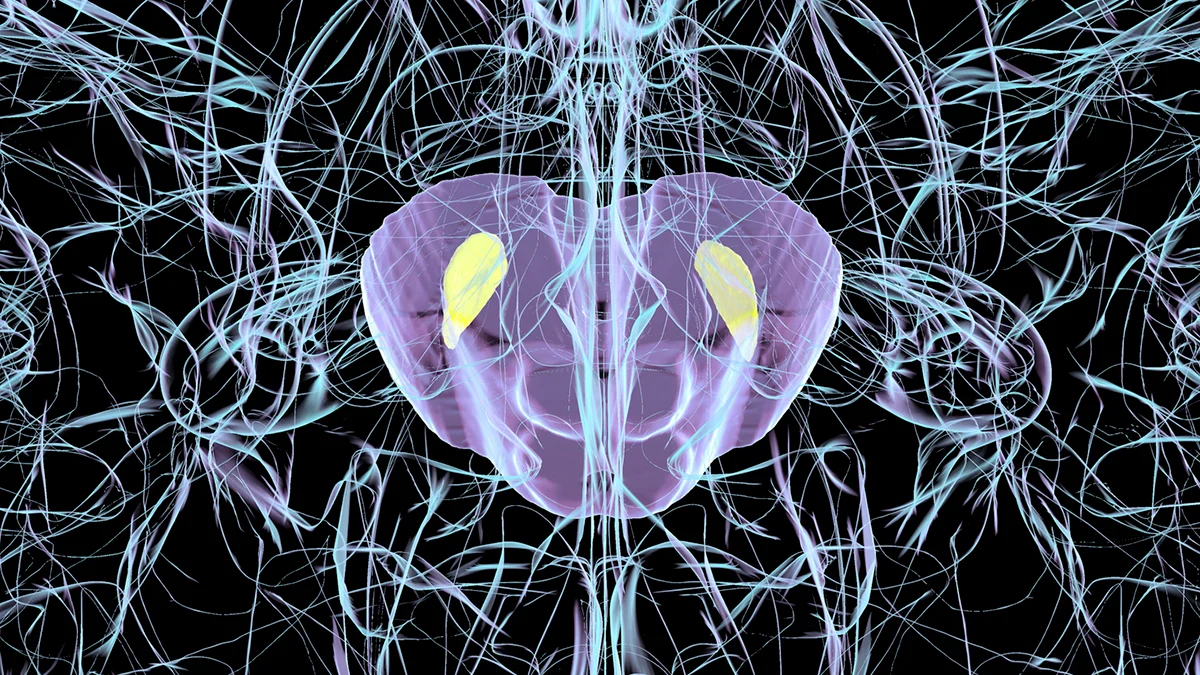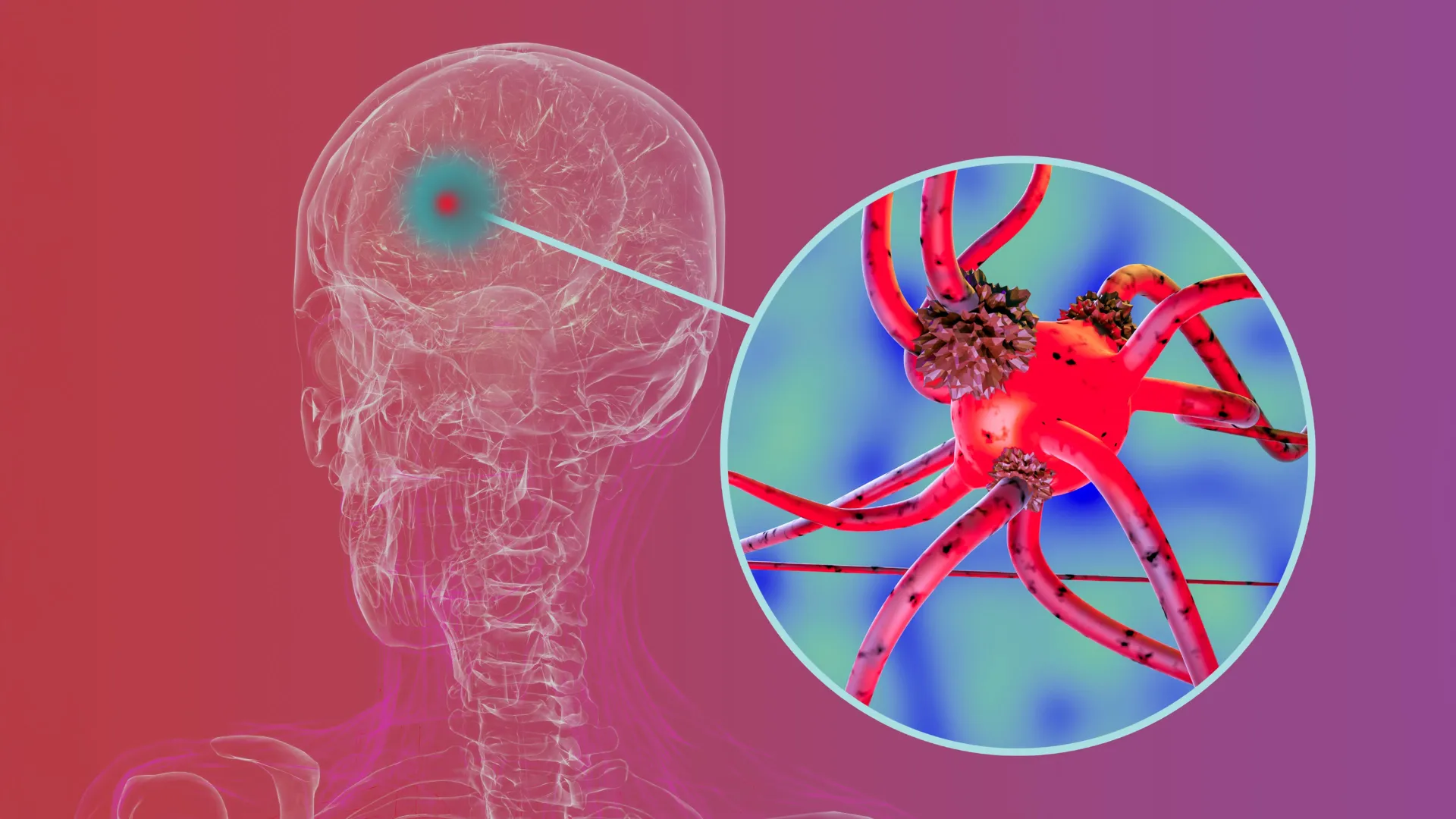
Innovative research led by a University of Ottawa Faculty of Medicine professor whose lab focuses on mechanisms that maintain a healthy immune system has discovered that a gene best known for increasing the risk of Parkinson's disease may also give the body an edge in fighting dangerous infections.
The findings suggest that a well-studied mutation in the LRRK2 gene—whose mutated form is one of the most common genetic causes of Parkinson's—actually strengthens the ability of key immune cells to destroy killer bacteria.
The work, published in the journal Cellular & Molecular Immunology, could open new possibilities for eventually developing therapies that strike a careful balance—strengthening protection against infection while minimizing the harmful effects of chronic inflammation.
Lead investigator Dr. Subash Sad says it also highlights a delicate balancing act: While a stronger immune response can improve protection against infection, it can also increase the risk of tissue damage if left unchecked.
"Mutations in the LRRK2 gene are frequent in chronic inflammatory conditions, but their role in these diseases is not clear," says Sad, professor in the Faculty's Department of Biochemistry, Microbiology and Immunology. "We have shown that LRRK2 is abundantly expressed in immune cells in the bone marrow, where many immune cells are generated."