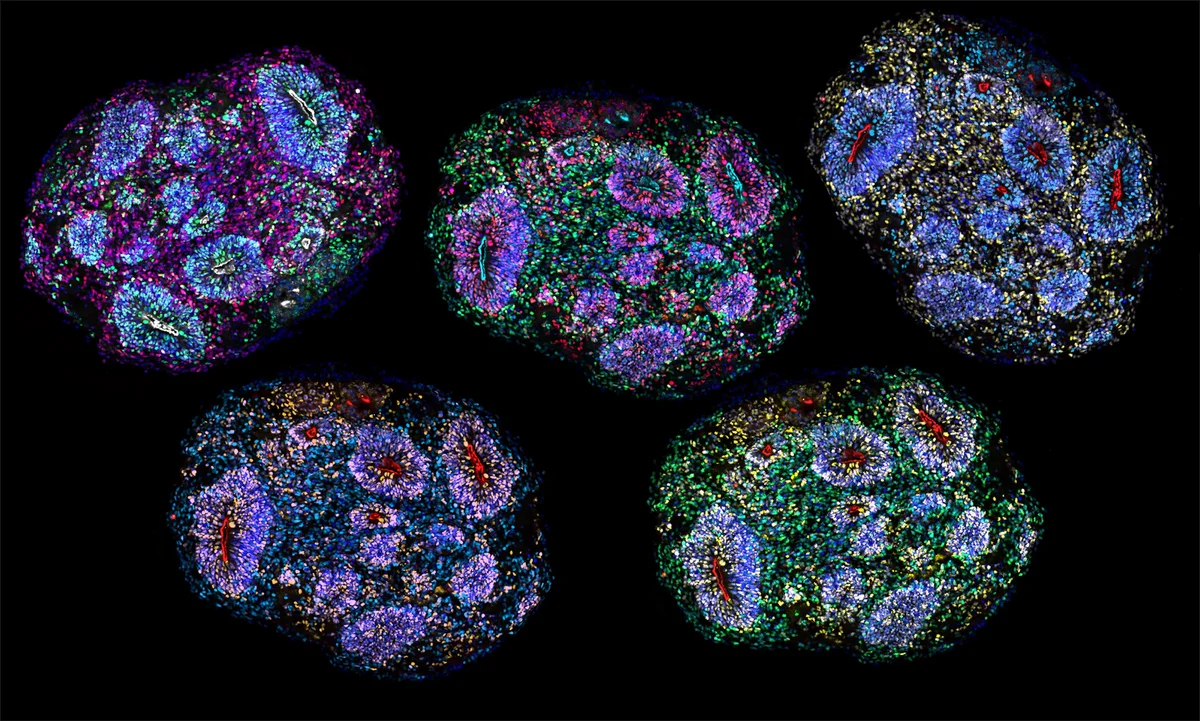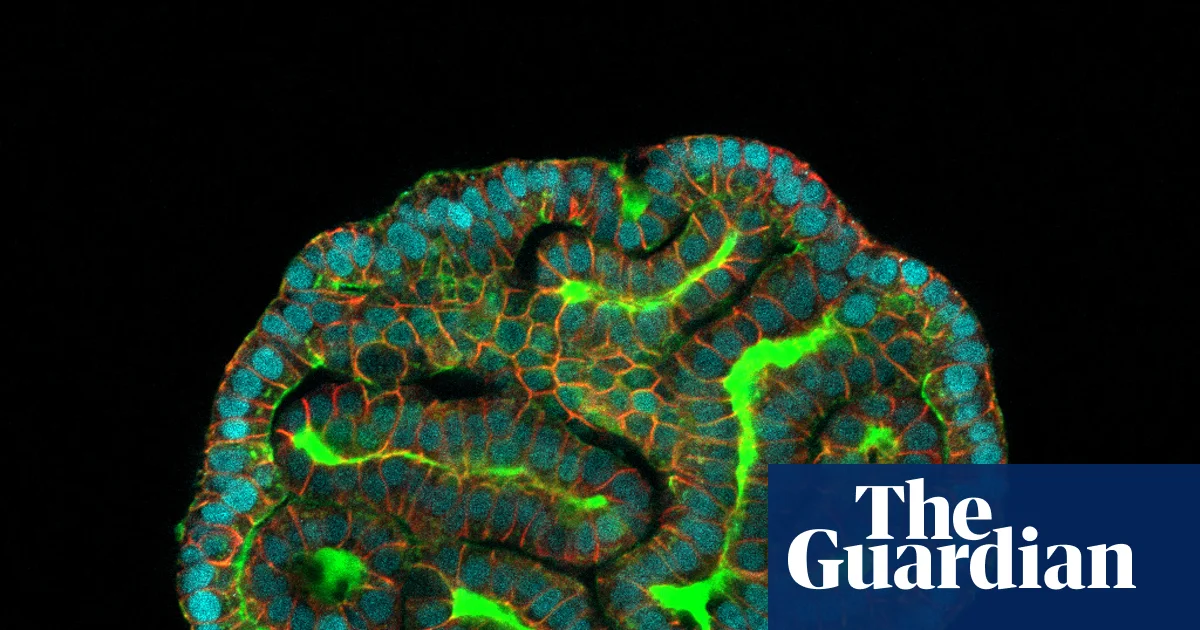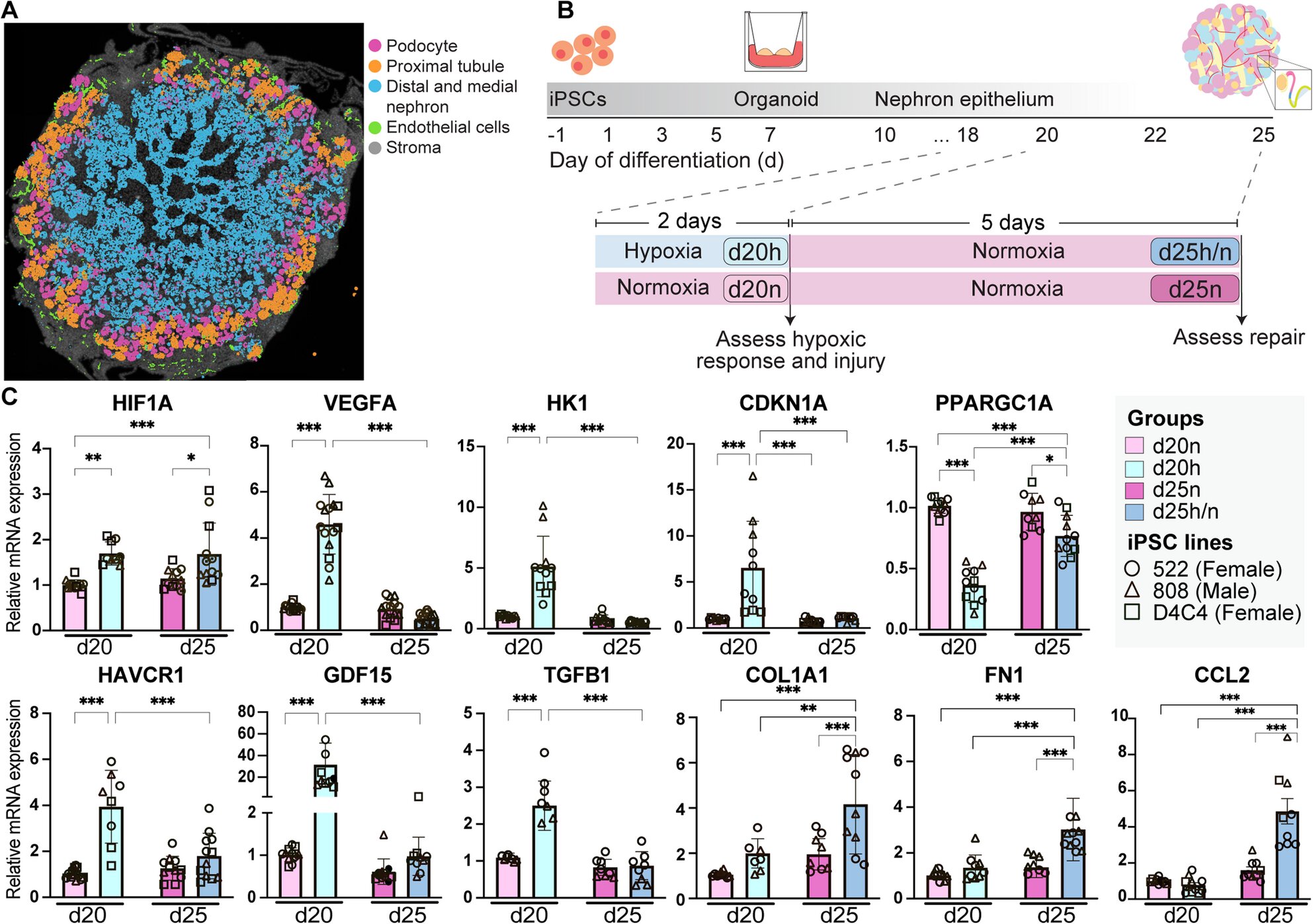
Evaluating hypoxic injury in kidney organoids from three iPSC lines. Credit: Genome Medicine (2026). DOI: 10.1186/s13073-026-01712-z
Researchers from Monash University have developed miniature human kidneys from stem cells that could accelerate the search for treatments for acute kidney injury (AKI), a sudden loss of kidney function that can cause severe illness and long-term kidney damage.
The microscopic, living model, published in Genome Medicine, reproduces key features of human kidney injury, allowing researchers to investigate why some kidney cells recover while others develop persistent damage that can contribute to chronic kidney disease.
Lead researcher Dr. Alexander Combes, head of the Development and Disease Laboratory and director of the Monash Genome Modification Platform at Monash Biomedicine Discovery Institute, said the model provides a new way to study kidney injury and test potential treatments.
"Acute kidney injury can occur during major surgery, transplantation or following exposure to some medicines, including chemotherapy," Combes said.