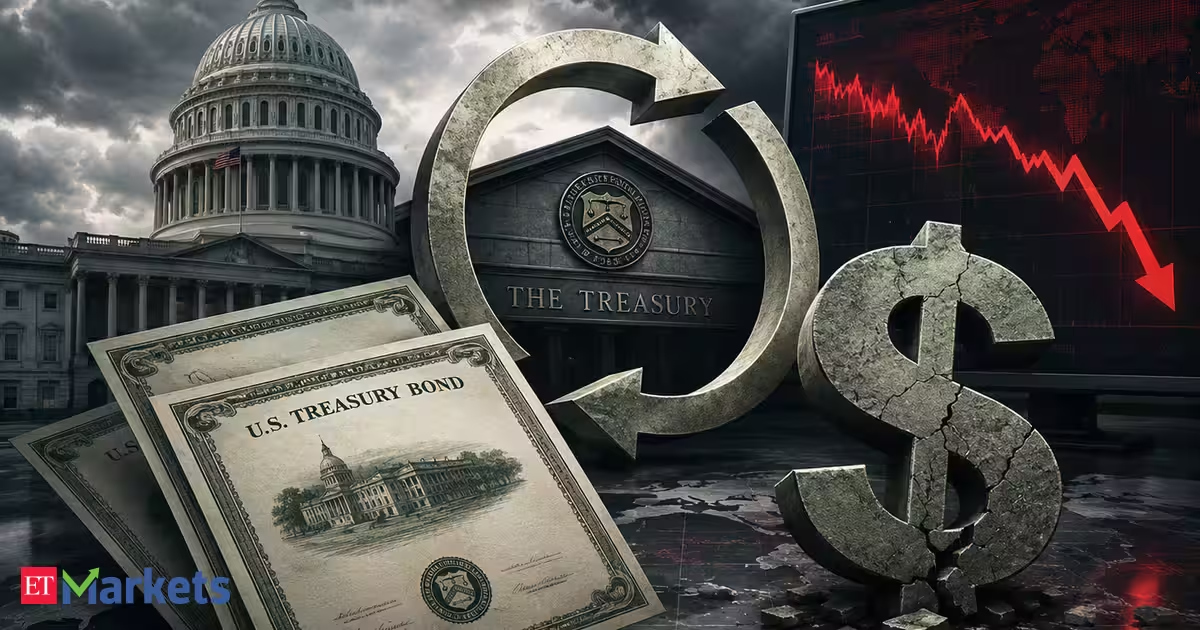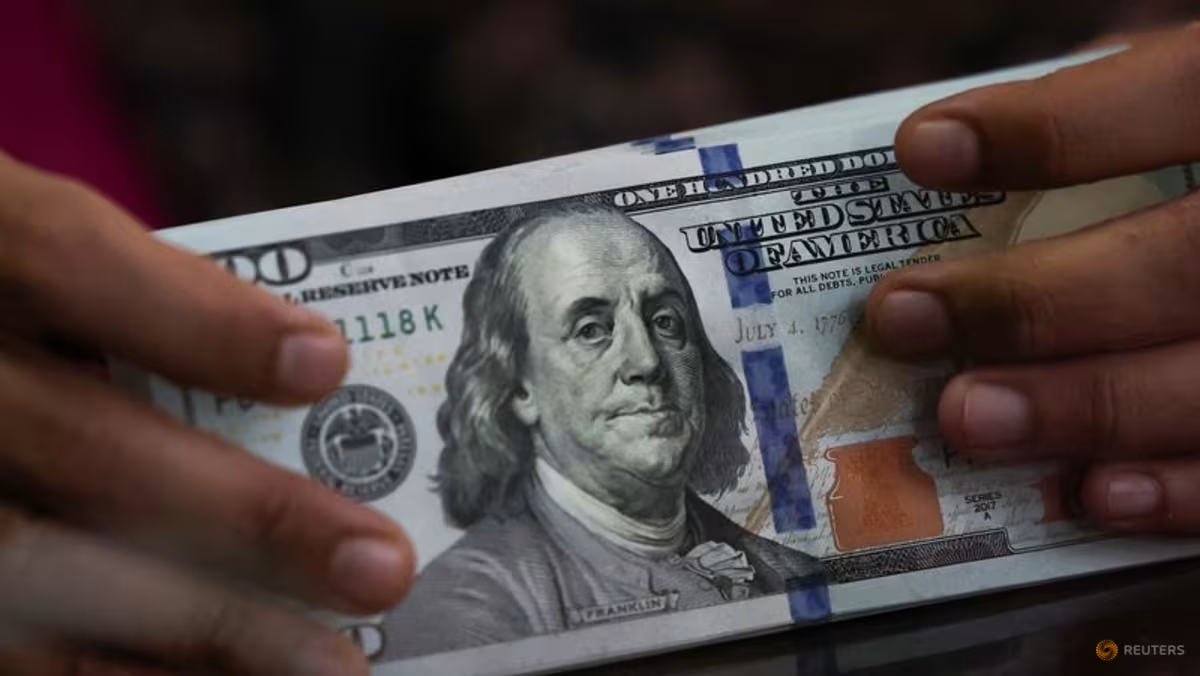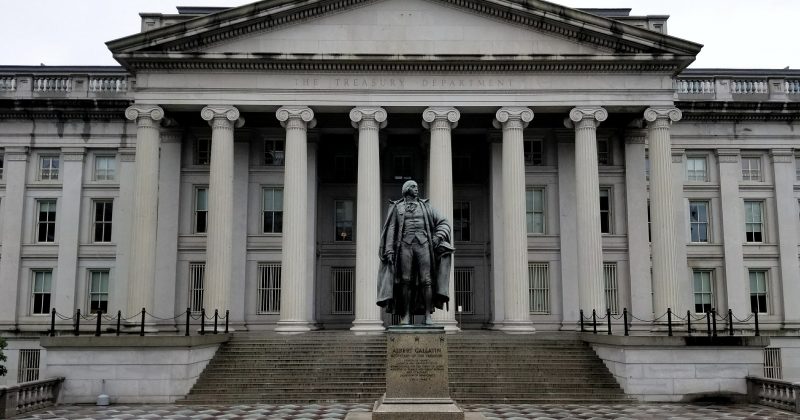
The U.S. dollar has experienced a decline in value following the U.S. Treasury’s latest buyback plan, which aims to enhance market liquidity for Treasury securities. The initiative, which increased the maximum buyback size for longer-dated nominal coupons, has led to a weakening of the dollar as reflected in the market’s reaction. The broad trade-weighted U.S. dollar index was at 118.9, but the DXY proxy, a popular measure of the dollar’s value, dropped to 98.8, marking a 2.3% decrease over the past month. This development is consistent with market participants interpreting the buyback plan as a supportive measure for Treasury market liquidity and lower long-term yields.
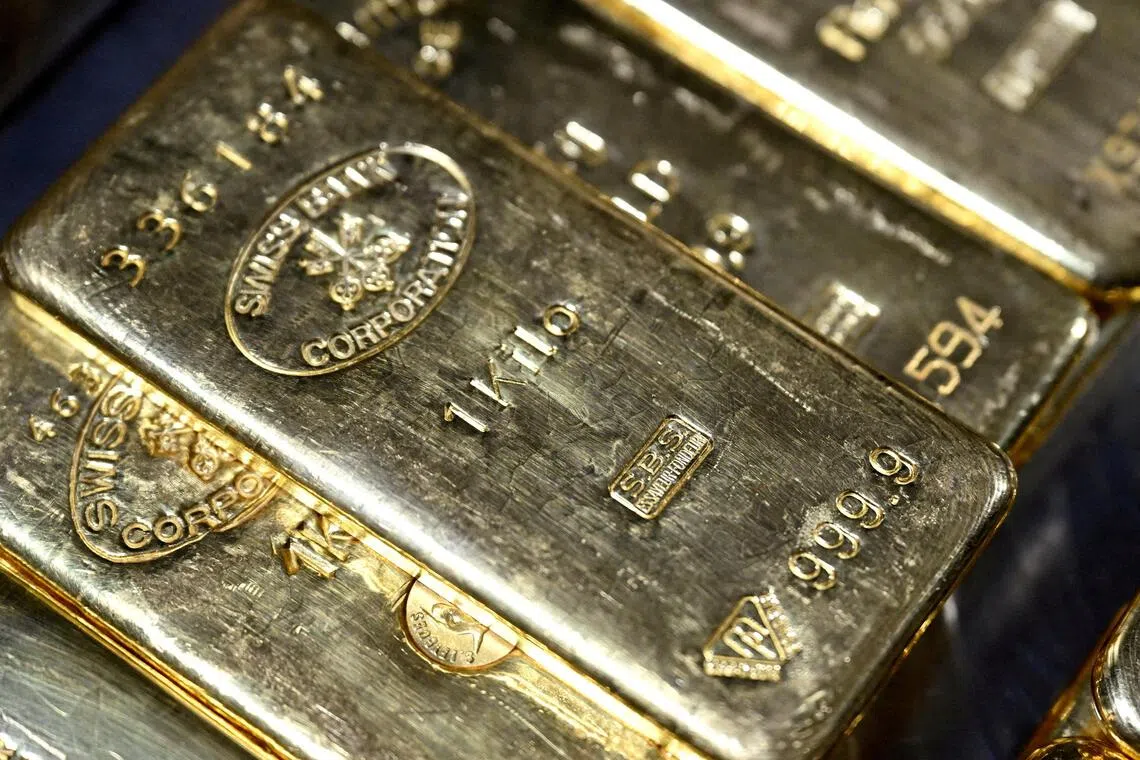
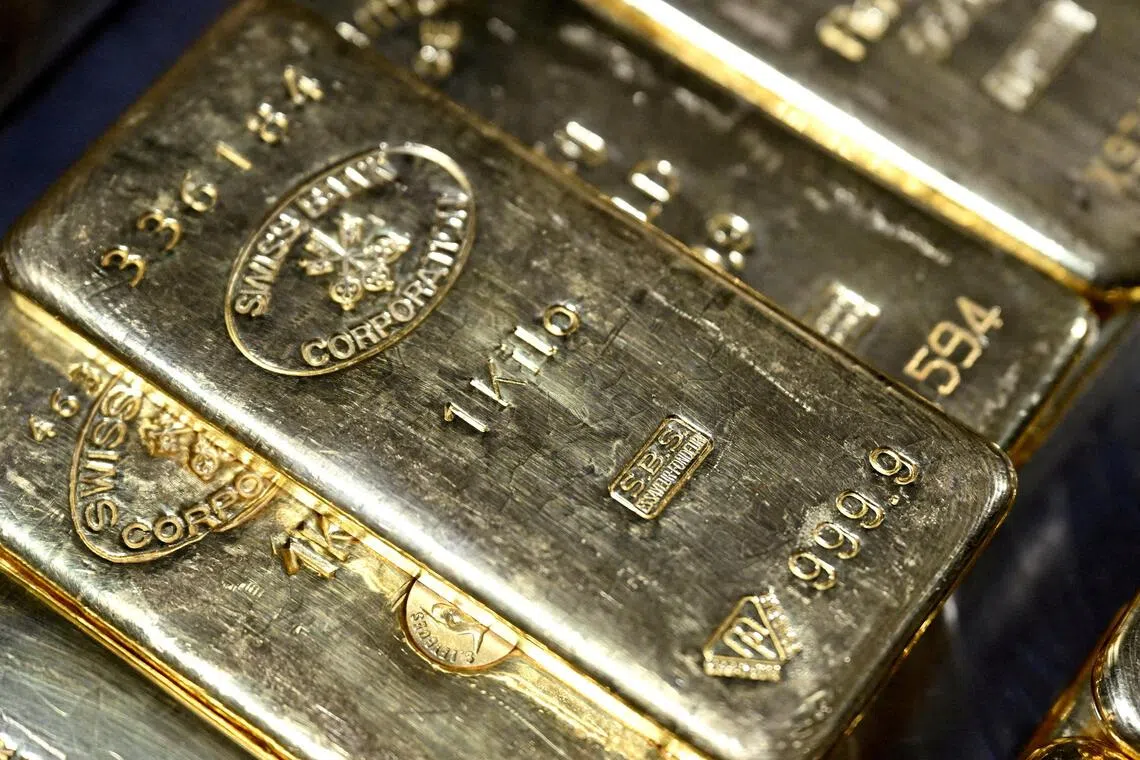
In response, gold markets have adjusted their expectations, with the likelihood of gold reaching $4,700 in August now seen as more probable. The weakening dollar typically supports rising gold prices, as seen in current market pricing. A significant increase in the odds for gold reaching $4,600 has been observed, with a notable spike in YES outcomes indicating a strengthening belief in higher gold prices.
Key Takeaways
Market behavior suggests the U.S. Treasury’s buyback plan has led to a weaker dollar and lower long-term yields.