Originally published at tddbuddy.com.
Related reading: Where the Review Point Moved is the direct predecessor; this post argues the industry's response to that shift is doubling down on the wrong surface at higher throughput. What "Senior" Means When Typing Is Free and The Test Pyramid Was an Economic Argument name where signal actually lives now.
The review agent left fourteen comments on the pull request and none of them were the reason the PR should not have merged.
That is the shape of the failure. The reviewer that shipped the review was a tool built to catch what a human reviewer no longer had time for. Three of the comments were genuine issues, unused imports, a typo in a log message, a dead branch. Eleven were style opinions, restatements of what the diff already made obvious, or false positives on patterns the codebase had chosen deliberately. The human on the PR spent more time filtering the review than reading the diff. The change that actually needed a second pair of eyes (a renamed field in a shared DTO that had already broken a downstream consumer twice this year) merged without a comment on it from either the human or the machine.
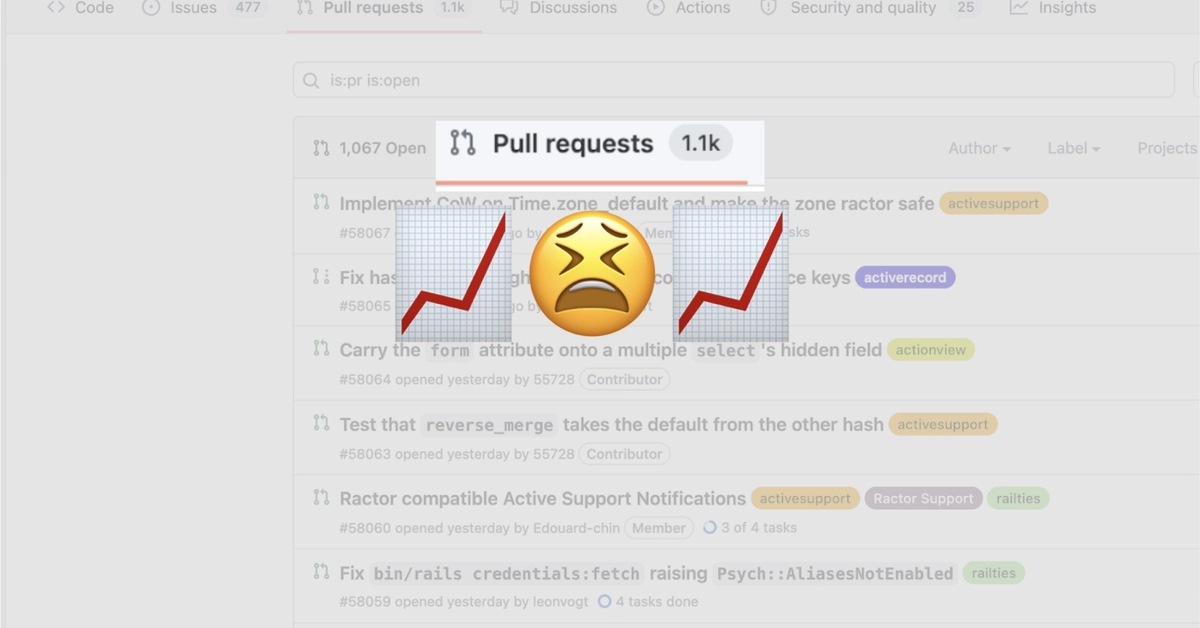
The industry response to agent-generated pull-request volume has been to deploy more agents. The response is understandable. It is also empirically counterproductive. A 2026 study measured what happens when only a code-review agent reviews an agent-authored PR: 60.2% of closed pull requests sat in the 0 to 30 percent signal-ratio range, and twelve of the thirteen review agents evaluated averaged below a 60% signal ratio. Signal is what a human reviewer needs. The review agent produces less of it per unit of reviewer attention than the diff would have without a bot in the middle.